

Damp Seals

Pay in 3 interest-free payments on purchases from £20-£3000 with  . Learn more.
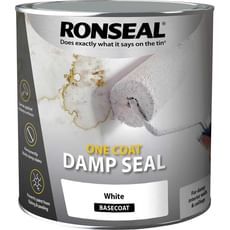
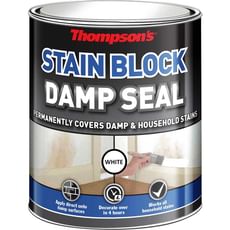
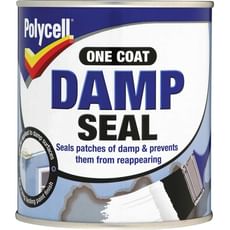
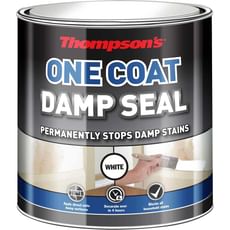
 Loading...
End of content
Error - No more pages to load
About Damp Seals
Damp seals are specialist coating products designed to prevent moisture patches, stains, and discolouration from bleeding through freshly painted or decorated surfaces. These essential primers create an impermeable barrier that stops water-based stains caused by damp, condensation, nicotine, grease, or previous water damage from reappearing on walls and ceilings. Whether you're renovating a property with a history of damp issues or simply covering stubborn stains before redecorating, damp seals provide the foundation for a professional, long-lasting finish that keeps surfaces looking pristine.
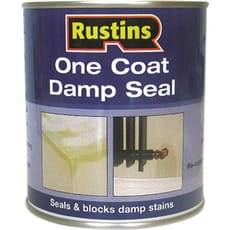
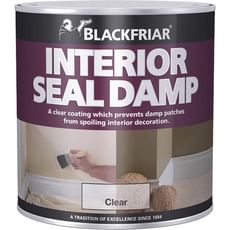
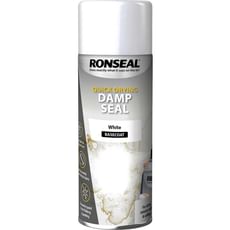
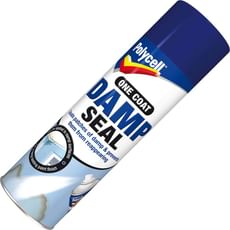
Available in both traditional brush-on formulations and convenient aerosol sprays, damp seals are typically solvent-based or contain advanced resin technology that locks in moisture and prevents it from reaching the surface layer. Most products offer coverage in a single coat, making them an efficient solution for tradespeople working to tight deadlines. Once applied and fully dried, damp seals can be overpainted with standard emulsion, gloss, or wallpaper paste without compromising the seal's effectiveness. The range at Tooled-Up.com includes trusted brands like Ronseal, Polycell, Blackfriar, and Rustins, each offering quick-drying formulations suitable for interior applications.
From small patch repairs using aerosol formats to larger wall treatments requiring brush or roller application, damp seals are an indispensable product for any decorator's toolkit when tackling problematic surfaces. These versatile sealers work effectively on plaster, brick, cement, and previously painted surfaces, making them suitable for both new-build preparations and restoration projects where historic staining needs addressing before final decoration.
Jargon Buster
- Stain Blocking - The primary function of damp seals, creating a barrier that prevents underlying stains, marks, or discolouration from bleeding through topcoats of paint or wallpaper, ensuring a clean, professional finish.
- One Coat Coverage - Products formulated to provide complete stain blocking and moisture sealing in a single application, reducing preparation time and material costs whilst maintaining effective performance.
- Quick Dry Formula - Damp seals engineered to dry rapidly, typically within 1-4 hours, allowing for same-day overcoating and faster project completion without compromising seal integrity.
- Solvent-Based - Damp seals containing organic solvents rather than water, providing superior adhesion and sealing properties on problematic surfaces, though requiring appropriate ventilation during application.
- Touch Dry Time - The period after application when the surface can be lightly touched without leaving marks, usually occurring before full curing and overcoating time.
- Recoat Time - The minimum waiting period before applying subsequent coats of paint or wallpaper over the damp seal, ensuring the seal has cured sufficiently for optimal performance and longevity.
Who Uses Damp Seals?
- Painters and Decorators - Professional tradespeople preparing problem surfaces before final decoration
- Property Maintenance Teams - Managing damp issues and stain coverage in rental properties and housing stock
- Plasterers - Sealing water-damaged plasterwork before finishing and decoration
- Insurance Restoration Specialists - Treating water-damaged properties following floods, leaks, or fire damage
- DIY Enthusiasts - Homeowners tackling condensation problems, historic stains, or preparing rooms for redecoration
- Property Developers and Renovators - Addressing damp and stain issues when refurbishing older properties
- Landlords - Maintaining rental properties and covering stains between tenancies
- Commercial Decorators - Preparing walls and ceilings in offices, retail spaces, and public buildings
How to Choose the Right Damp Seals
Application Method: Consider whether brush-on or aerosol format suits your project best. Traditional tin formulations work efficiently for larger wall areas and can be applied with brush or roller, whilst aerosol sprays excel at targeting small patches, ceiling stains, and awkward corners with precision and minimal mess.
Drying Time: Quick-dry formulations from brands like Ronseal can be touch dry in as little as one hour, enabling same-day overcoating - ideal for time-sensitive projects. Standard formulations may require longer curing times but often provide excellent value for less urgent work.
Coverage Rate: Check the manufacturer's stated coverage per litre or can. Most damp seals cover approximately 12-16 square metres per litre, though porous or heavily stained surfaces may require additional product. Calculate your wall area to ensure you purchase sufficient quantity.
Surface Type: Ensure your chosen product is suitable for your substrate. Most damp seals work on plaster, plasterboard, masonry, and previously painted surfaces, but always verify compatibility, particularly on unusual materials or external applications.
Stain Severity: For severe water damage, nicotine staining, or persistent damp problems, opt for premium one-coat formulations with proven stain-blocking technology. Light condensation marks or minor discolouration may be adequately treated with standard products.
Ventilation Requirements: Solvent-based damp seals require good ventilation during application and drying. Consider low-odour or water-based alternatives if working in occupied properties or poorly ventilated spaces, though these may offer reduced performance on severe staining.
Popular Accessories
- Brushes and Rollers - Quality synthetic brushes and medium-pile rollers for even damp seal application
- Dust Sheets and Masking Materials - Protecting floors and fixtures during solvent-based product application
- Paint Trays and Liners - For efficient roller application on larger wall areas
- White Spirit and Brush Cleaner - Essential for cleaning tools after using solvent-based damp seals
- Respirator Masks - Providing respiratory protection when working with solvent-based products in enclosed spaces
- Ventilation Fans - Improving air circulation during application and drying
- Sugar Soap and Surface Cleaners - Preparing surfaces by removing grease, dirt, and loose material before sealing
- Scrapers and Filling Knives - Removing loose paint or plaster before damp seal application
- Fillers and Repair Compounds - Addressing surface imperfections before sealing
Safety Information
Many damp seals contain flammable solvents and emit strong fumes during application and drying. Always work in well-ventilated areas, opening windows and doors to maintain good air circulation. Avoid naked flames, sparks, and smoking during use and until fully dried. Wear appropriate personal protective equipment including gloves and eye protection, and consider a respirator mask when working in confined spaces or with prolonged exposure.
Store damp seal products in a cool, dry location away from heat sources and out of reach of children. Dispose of empty containers and contaminated materials in accordance with local authority guidelines - never pour solvents down drains. Consult product-specific COSHH data sheets for detailed safety information, particularly in commercial environments where HSE regulations apply.
Ensure adequate skin protection as prolonged contact may cause irritation. If working overhead on ceilings, use appropriate eye protection and take regular breaks to avoid neck strain. Always read manufacturer's instructions thoroughly before use and follow recommended application temperatures for optimal performance and safety.
Frequently Asked Questions
Can I paint directly over damp walls with damp seal?
Damp seal is designed to block stains from showing through paint, not to solve active damp problems. You must address the source of moisture first - repair leaks, improve ventilation, or treat rising damp appropriately. Once the underlying damp issue is resolved and the wall has dried, damp seal will prevent old stains from reappearing through your new decoration.
How long should I wait before painting over damp seal?
This varies by product, but most quick-dry formulations can be overcoated within 2-4 hours, whilst standard products may require 12-24 hours. Always check the manufacturer's specific recoat time on the tin. Factors like temperature, humidity, and ventilation affect drying times - allow longer in cold or damp conditions.
Will damp seal work on nicotine stains and smoke damage?
Yes, quality damp seals available from Tooled-Up.com are highly effective at blocking nicotine stains, smoke damage, water marks, grease, and various other discolourations. The solvent-based formulations create an impermeable barrier that prevents these stains from bleeding through subsequent paint layers, making them invaluable when redecorating properties affected by smoking or fire damage.
Do I need to use damp seal if I'm wallpapering?
Absolutely. Water-based wallpaper paste can reactivate old stains, causing them to bleed through your new wallpaper. Applying damp seal first creates a stable, stain-free base that prevents discolouration appearing on your finished wallpaper. This is particularly important with lighter coloured or thin wallpapers where stains would be more visible.
Can I use damp seal aerosols on ceilings?
Yes, aerosol damp seals are particularly convenient for ceiling applications, especially for small patches or water stains. The spray format allows precise targeting without the drips associated with brush application overhead. However, ensure adequate ventilation, wear eye protection, and protect surrounding areas from overspray. For larger ceiling areas, brush-on formulations may prove more economical.