

Damp & Stain Blockers
Pay in 3 interest-free payments on purchases from £30-2000 with  . Learn more.
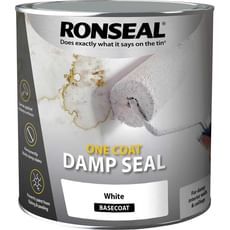
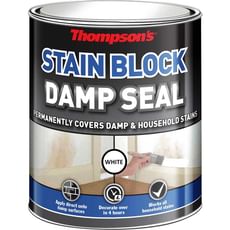
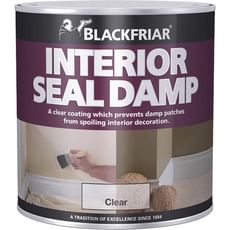
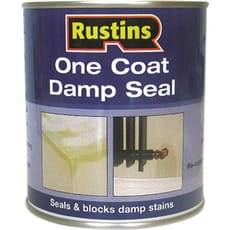
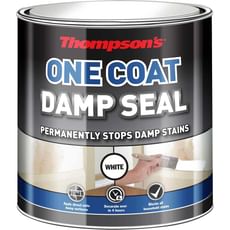
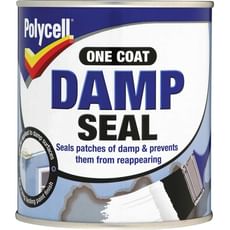
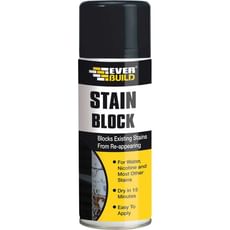
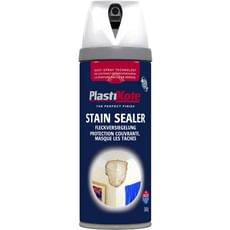
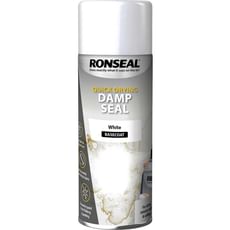
 Loading...
End of content
Error - No more pages to load
About Damp & Stain Blockers
Damp and stain blockers are essential surface preparation products designed to seal moisture ingress and prevent unsightly stains from bleeding through newly decorated surfaces. Whether tackling water damage, nicotine stains, grease marks, or persistent damp patches, these specialised primers and sealers create a protective barrier that ensures a flawless finish on walls and ceilings. Available in both water-based and solvent-based formulations, these products are indispensable for remedial work and new installations where moisture or contamination could compromise the final decoration.
The comprehensive selection at Tooled-Up.com encompasses dedicated damp seals that tackle moisture problems at source, preventing water vapour from penetrating through masonry and plaster, alongside stain blocking primers that lock in everything from smoke damage to tannin bleed from knots in timber. These products are formulated to work on various substrates including plaster, render, concrete, brick, and wood, providing versatility across different applications. Many modern formulations offer quick-drying properties and low odour characteristics, making them suitable for occupied properties where minimal disruption is essential.
Professional decorators, plasterers, and property maintenance specialists rely on quality damp and stain blockers to save time and money by eliminating the need for multiple coats of standard paint. By addressing the underlying issue rather than simply covering it up, these products deliver long-lasting results that protect professional reputations and reduce costly call-backs. Whether renovating a water-damaged property, preparing smoke-stained surfaces, or ensuring a perfect finish over variable substrates, investing in the right damp and stain blocking solution is crucial for professional results.
Jargon Buster
- Damp Proof Membrane (DPM): A liquid-applied barrier that prevents moisture transmission through porous surfaces such as walls and floors, creating an impermeable layer between the substrate and decorative finishes.
- Solvent-Based Blocker: A primer containing petrochemical solvents that provides superior stain blocking properties and adhesion on difficult surfaces, particularly effective on severe nicotine staining and water marks, though with stronger odour during application.
- Tannin Bleed: The migration of naturally occurring tannins from timber knots and resinous woods through paint layers, causing brown or yellow discolouration that requires specialist blocking primers to prevent.
- Microporous: A breathable coating that allows water vapour to escape whilst preventing liquid water ingress, essential for external applications and situations where trapped moisture needs to evaporate.
- Efflorescence: White crystalline salt deposits that appear on masonry surfaces as moisture evaporates, requiring both moisture control and appropriate sealing to prevent recurrence.
- Coverage Rate: The area in square metres that one litre of product will cover, typically dependent on substrate porosity and application method, crucial for accurate material estimation and cost calculation.
Who Uses Damp & Stain Blockers?
Damp and stain blocking products are essential tools for a wide range of construction and maintenance professionals:
- Professional Decorators and Painters: For surface preparation and ensuring flawless finishes on problematic substrates
- Plasterers: To seal damp patches before applying skim coats and finishing plaster
- Property Maintenance Teams: Addressing water damage and staining in residential and commercial properties
- Damp Specialists: As part of comprehensive damp-proofing and remedial treatment programmes
- Restoration Contractors: Dealing with fire and smoke damage, water ingress, and historic building renovation
- Kitchen and Bathroom Fitters: Sealing moisture-prone areas before tiling and decorating
- Landlords and Property Managers: Maintaining rental properties and addressing tenant-reported issues
- DIY Enthusiasts: Tackling home improvement projects involving problematic surfaces or moisture issues
- Insurance Repair Contractors: Restoring properties following flood damage, leaks, and other insured incidents
How to Choose the Right Damp & Stain Blockers
Identify the Problem: Determine whether you're dealing primarily with moisture ingress, surface staining, or both. Persistent dampness requires a dedicated damp seal with high moisture resistance, whilst isolated stains may only need a stain blocking primer. Consider the source of the problem – active leaks must be repaired before sealing.
Substrate Considerations: Different surfaces require different formulations. Porous masonry, plaster, and render typically work best with water-based damp seals that allow breathability, whilst timber requires products that can handle tannin bleed. Always ensure compatibility with your substrate and any subsequent coatings.
Stain Severity: Light marks from minor water damage can often be covered with water-based stain blockers, but severe nicotine staining, smoke damage, or persistent tannin bleed typically requires solvent-based products for guaranteed coverage. Consider whether a single coat will suffice or if multiple applications might be needed.
Interior vs Exterior: External applications require weather-resistant formulations with UV stability and breathability to handle temperature variations and moisture cycles. Internal products can prioritise low odour and quick drying times, particularly important in occupied properties.
Drying Time and Recoatability: Professional schedules demand quick-drying products that can be overcoated within hours. Check the manufacturer's specifications for drying times at various temperatures and humidity levels, and ensure compatibility with your chosen topcoat system.
Health and Safety: Water-based formulations offer lower VOC emissions and reduced odour, making them preferable for occupied buildings and confined spaces. Solvent-based products require adequate ventilation and may necessitate temporary evacuation, but often provide superior performance on difficult stains.
Popular Accessories
To achieve professional results with damp and stain blockers, consider these complementary products available from Tooled-Up:
- Brushes and Rollers: Quality synthetic brushes for water-based products or natural bristle for solvent-based applications
- Paint Trays and Liners: For efficient roller application and easy cleanup
- Masking Tape and Dust Sheets: Protecting adjacent surfaces and furnishings during application
- Surface Preparation Tools: Wire brushes, scrapers, and filling knives for substrate preparation
- Moisture Meters: Electronic devices to accurately assess dampness levels before and after treatment
- Ventilation Equipment: Fans and extractors to accelerate drying and manage fumes from solvent-based products
- Primers and Undercoats: Compatible products for complete coating systems
- Cleaning Solvents: White spirit for solvent-based products and water for water-based formulations
- Personal Protective Equipment: Gloves, goggles, and respiratory protection as required by COSHH assessments
Safety Information
Ventilation: Ensure adequate ventilation when applying any stain blocker, particularly solvent-based formulations which release volatile organic compounds. Open windows and doors, and consider using mechanical extraction in confined spaces. Follow HSE guidance on exposure limits and working time restrictions.
Personal Protection: Wear appropriate PPE including chemical-resistant gloves, safety goggles to prevent splashes, and respiratory protection when specified by the product's safety data sheet. Barrier cream can provide additional skin protection during extended application periods.
COSHH Compliance: Review the product safety data sheet before use and conduct a COSHH assessment for professional applications. Be aware of any specific handling requirements, particularly for solvent-based products which may be flammable and require appropriate storage away from ignition sources.
Working at Height: When treating ceilings or upper walls, ensure stable access equipment is used in accordance with HSE working at height regulations. Maintain three points of contact and never overreach from ladders or platforms.
Disposal: Dispose of unused product and contaminated materials in accordance with local authority regulations. Never pour liquid products down drains. Empty metal containers may be recyclable once fully dried.
Frequently Asked Questions
Can I paint directly over damp walls with a damp seal?
Whilst damp seals create a moisture barrier, it's crucial to first identify and rectify the source of dampness where possible. Active water ingress should be addressed through proper building repairs. Damp seals work best on residual dampness in walls that are drying out after repairs, or on hygroscopic salts that continue to attract atmospheric moisture. For best results, allow walls to dry as much as practically possible before application.
What's the difference between water-based and solvent-based stain blockers?
Water-based stain blockers offer low odour, easy cleanup, and quick drying times, making them ideal for occupied properties and light to moderate staining. Solvent-based products provide superior adhesion and stain blocking properties, particularly effective on severe nicotine damage, persistent tannin bleed, and heavy water staining. However, they produce stronger fumes, require white spirit for cleaning, and need better ventilation during application.
How many coats of stain blocker do I need?
Most quality stain blockers provide effective coverage in a single coat when applied at the manufacturer's recommended thickness. However, severe staining may require two coats for complete obliteration. Always allow the first coat to dry completely before assessing whether a second application is necessary. Applying too thickly in one coat can lead to poor drying and subsequent problems.
Can I use damp and stain blockers on exterior walls?
Yes, but you must select products specifically formulated for external use. External formulations include weather-resistant additives, UV stabilisers, and breathable properties that allow moisture vapour to escape whilst preventing liquid water ingress. Check the product specification to ensure it's rated for exterior application and compatible with external masonry paints.
How long before I can decorate over a stain blocker?
Recoating times vary by product and environmental conditions, but most modern formulations allow overcoating within 2-4 hours. Solvent-based products may require longer – typically 4-6 hours. Always check the manufacturer's technical data sheet and ensure the product is touch-dry before applying topcoats. High humidity and low temperatures will extend drying times significantly.