

Darbys & Feather Edges
Pay in 3 interest-free payments on purchases from £30-2000 with  . Learn more.
 Loading...
End of content
Error - No more pages to load
About Darbys & Feather Edges
Darbys and feather edges are fundamental straightedge tools that enable plasterers to achieve perfectly flat, level surfaces when applying plaster, render, or skim coats to walls and ceilings. These precision levelling tools work by spanning across freshly applied wet plaster, allowing tradespeople to remove excess material whilst creating an even, professional finish. The range available from Tooled-Up.com includes various lengths from compact 900mm options for repair work through to substantial 2400mm tools for large-scale commercial projects, manufactured in materials including lightweight aluminium, flexible polyurethane, and rigid heavy-section mill finish aluminium.
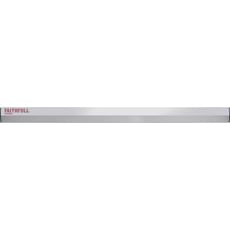
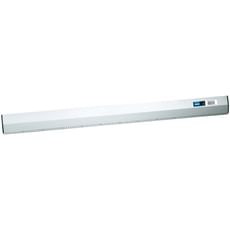
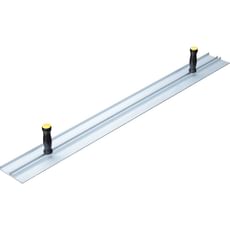
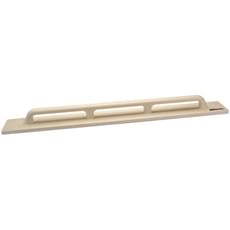
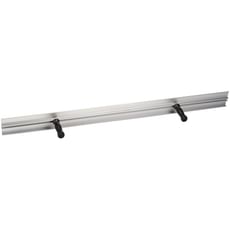
A darby typically features a rectangular profile with handles mounted on top, designed for the initial levelling stage when working plaster across larger wall sections. The handles provide excellent control and allow consistent pressure application whilst spanning between screeds or battens. Feather edges differ in their design – these are thinner, handleless straightedges that excel at final finishing work, creating crisp lines along edges and corners where a bulkier handled tool would prove cumbersome. The choice of material significantly impacts performance: aluminium construction offers an ideal balance of rigidity and manoeuvrability, polyurethane provides flexibility and surface protection, whilst heavy-section profiles deliver maximum stiffness for demanding professional applications.
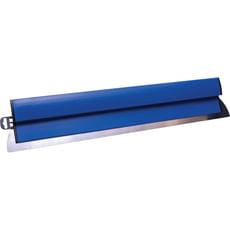
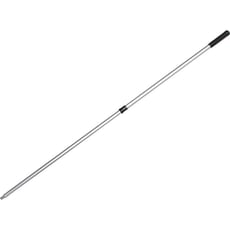
Tooled-Up stocks professional-grade darbys and feather edges from respected manufacturers including Marshalltown, Faithfull, Draper, and Tyzack. Whether you're a professional plasterer completing daily commercial contracts or a competent DIY enthusiast undertaking home renovation projects, selecting the appropriate darby or feather edge proves crucial for achieving the perfectly flat finish that defines quality plastering work. Modern innovations like the Marshalltown ProSkim system offer modular versatility with interchangeable components including telescopic handles and spatulas, providing complete solutions for various plastering applications from floor to ceiling.
Jargon Buster
- Darby: A long, rectangular plastering straightedge tool fitted with handles, used to level and flatten freshly applied plaster over substantial areas. The handles enable controlled pressure application whilst the tool spans across screeds or battens to achieve consistent thickness.
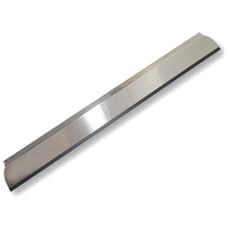
- Feather Edge: A lightweight, handleless straightedge tool designed to create perfectly flat surfaces and sharp, clean lines in plaster. The slim profile makes it particularly effective for final finishing work and manoeuvring in confined spaces.
- Mill Finish: An aluminium surface treatment providing a smooth, untreated finish direct from the manufacturing mill. This creates a durable, non-stick working surface that's ideal for plaster applications without additional coating.
- Skim Coat: The final thin layer of plaster applied to walls and ceilings to create a smooth, decorative finish ready for decoration. Darbys and feather edges are essential for achieving flawless skim coat results.
- Screeds: Levelling guides or temporary strips fixed to wall surfaces that establish a reference plane for maintaining consistent plaster thickness. Darbys are worked between these guides to achieve uniform coverage.
- Polyurethane Darby: A flexible, lightweight darby manufactured from polyurethane material that won't damage delicate surfaces and resists warping from temperature fluctuations or moisture exposure, making it suitable for frequent professional use.
Who Uses Darbys & Feather Edges?
These specialist plastering straightedge tools are essential equipment for various trades and users:
- Professional Plasterers: Daily users requiring reliable, accurate tools for commercial and residential plastering contracts
- General Builders: Tradespeople undertaking plastering work as part of broader construction, renovation, or refurbishment projects
- Rendering Specialists: External wall finishing professionals who need larger darbys for substantial render applications
- Drywall Installers: Fixers who require feather edges for finishing joints and creating smooth plasterboard surfaces
- Property Maintenance Professionals: Contractors conducting repair and refurbishment work requiring localised plastering
- Serious DIY Enthusiasts: Homeowners tackling renovation projects who demand professional-quality results
- Restoration Specialists: Craftspeople working on period properties requiring traditional plastering techniques and heritage finishes
- Shopfitters and Contractors: Commercial tradespeople requiring perfect wall finishes for retail and office installations
How to Choose the Right Darbys & Feather Edges
Length Selection: Consider the typical wall sections you'll encounter. Shorter darbys (900-1200mm) suit smaller rooms, confined spaces, and repair work, whilst longer tools (1800-2400mm) are essential for levelling larger commercial spaces, long wall runs, and external rendering work. Choose a length slightly exceeding your typical working span.
Material Choice: Aluminium darbys deliver the optimal balance of rigidity and manageable weight for most plastering applications. Polyurethane options provide flexibility and won't damage delicate surfaces, making them ideal for finishing work on sensitive substrates. Heavy-section mill finish darbys deliver maximum rigidity for large-scale professional work where absolute flatness is critical and consistent straightness essential.
Handle Configuration: Darbys with handles provide superior control and enable consistent pressure application across substantial areas during initial levelling stages. Feather edges without handles are lighter and more manoeuvrable for finishing work, creating clean edges, and working in situations where handles would prove cumbersome or impractical.
Build Quality and Straightness: Professional brands like Marshalltown, Faithfull, and Draper offer superior straightness tolerances and long-term durability. Check specifications for true, straight edges without warping or twisting – essential characteristics for achieving flat surfaces. Consider tools with replaceable components like Tyzack spare blades for extended tool life and long-term economy.
Application Type: For initial levelling, screeding, and working between battens, choose robust darbys with secure handles. For skim coating and final finishing stages, feather edges provide the precision and manoeuvrability required. Modular systems like the Marshalltown ProSkim range offer complete versatility with interchangeable components including telescopic handles and spatulas for various applications from floor level through to ceiling work.
Popular Accessories
- Plastering Trowels: Essential companions including finishing trowels, laying-on trowels, gauging trowels, and corner trowels for complete plaster application
- Hawk Boards: Plaster-holding platforms that work alongside darbys for efficient material application and workflow
- Spirit Levels: For checking true vertical and horizontal alignment when using darbys and establishing screeds
- Mixing Paddles: Power tool attachments for preparing consistent, lump-free plaster mixes at the correct consistency
- Plastering Sponges and Floats: For final finishing, polishing, and creating smooth surfaces after darby levelling work
- Telescopic Extension Handles: Extended reach solutions like the Marshalltown ProSkim telescopic handle system for ceiling work without scaffolding
- Cleaning Brushes and Scrapers: Essential for maintaining your darbys and removing dried plaster residue that affects performance
- Spare Blades and Components: Replacement parts like Tyzack spare blades to extend tool lifespan and maintain precision
- Tool Bags and Protective Cases: Purpose-designed protection for transporting long darbys and feather edges between jobs
- Measuring Tapes and Marking Tools: For accurate layout and screeding work before plastering commences
Frequently Asked Questions
What's the difference between a darby and a feather edge?
A darby is a heavier, handled straightedge tool specifically designed for initial levelling and flatting of freshly applied plaster over larger wall areas. A feather edge is thinner, lighter, and handleless, primarily used for final finishing work, creating crisp edges, and working in tighter spaces where handles would prove impractical. Both achieve flat surfaces but serve different stages of the plastering process – darbys for initial levelling and feather edges for final finishing touches.
What length darby or feather edge should I purchase?
For domestic work and repairs, a 1200-1500mm tool provides excellent versatility for most situations. Professional plasterers typically maintain multiple lengths – a shorter 900mm for restricted areas and repair work, a 1800mm for standard room dimensions, and potentially a 2400mm for large commercial spaces or extensive external rendering. Your selection should be slightly longer than the typical wall sections you'll work on to span effectively between screeds.
How do I maintain my darby or feather edge properly?
Clean thoroughly after each use whilst plaster remains wet – dried plaster becomes much harder to remove and can adversely affect the tool's critical straightness. Use a stiff brush and clean water to remove all residue from the working edge and handles. Store flat or hung vertically to prevent warping or bowing. Regularly check straightness by holding the tool up to a light source and looking for gaps against a known straight edge. Never misuse darbys as pry bars or for purposes other than plastering.
Can I use a darby for external rendering work?
Yes, darbys are excellent tools for external render applications. Choose heavy-section aluminium darbys for maximum rigidity when working with thicker render applications and coarser aggregates. The longer lengths (1800-2400mm) prove particularly useful for achieving flat surfaces over substantial external wall areas. Ensure thorough cleaning after render work as cement-based materials can be more abrasive than internal gypsum plasters and may damage the working edge if left to harden.
Are aluminium or polyurethane darbys better for professional use?
Aluminium darbys offer superior rigidity and are generally preferred for heavy-duty professional work where absolute flatness is critical and consistency essential. They're more durable for daily site use and resist damage better. Polyurethane darbys are lighter, won't damage surfaces if accidentally knocked against finished areas, and resist warping from temperature fluctuations or moisture exposure. They're excellent for finishing work and situations requiring a slightly more forgiving tool. Many experienced professional plasterers maintain both types in their toolkit for different applications and stages of work.