

Dead Blow Hammers
Pay in 3 interest-free payments on purchases from £30-2000 with  . Learn more.
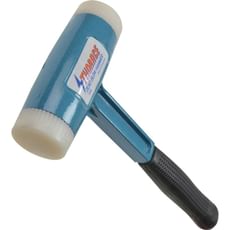
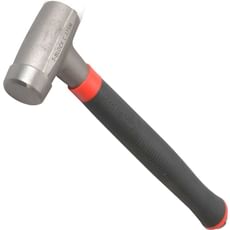
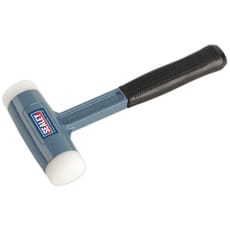
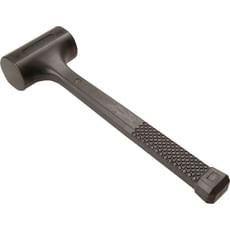
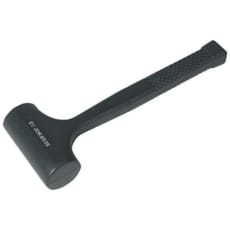

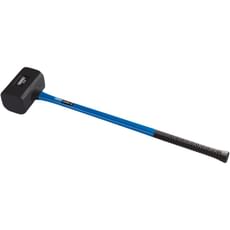
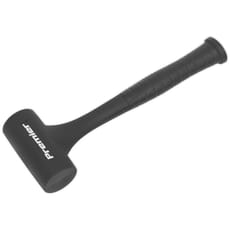
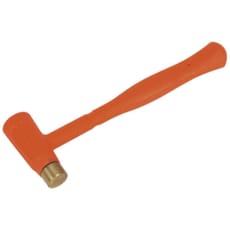
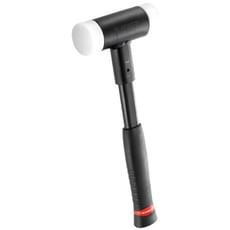
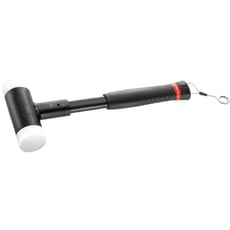
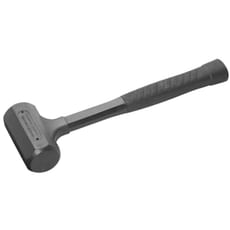
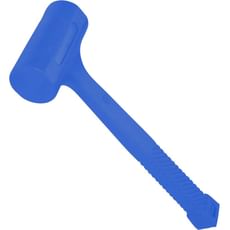
 Loading...
End of content
Error - No more pages to load
About Dead Blow Hammers
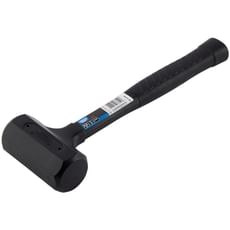
Dead blow hammers are specialist striking tools engineered to deliver maximum impact force whilst virtually eliminating rebound and minimising surface damage. Unlike conventional hammers that bounce back after striking, these innovative tools feature a hollow head filled with steel shot or sand that shifts on impact, absorbing the kinetic energy that would otherwise cause the hammer to rebound. This unique construction makes them indispensable for precision assembly work, delicate component positioning and applications where damage to workpieces or surrounding surfaces must be avoided.
The striking faces of dead blow hammers are manufactured from relatively soft yet durable materials including polyurethane, nylon, rubber or PVC, with premium models offering interchangeable faces in brass or copper for specialised applications. The weighted internal filling not only prevents bounce-back but also amplifies the striking force without requiring additional swing effort from the user, significantly reducing fatigue during repetitive striking tasks. This combination of controlled impact, reduced noise and enhanced user safety makes them essential for automotive work, metal fabrication, woodworking assembly and machinery maintenance.
Tooled-Up.com stocks dead blow hammers from respected manufacturers including Sealey, Draper, Facom, Thor, Faithfull and Hultafors, offering various head weights from 450g to over 1.5kg, different face materials and handle configurations to suit diverse trades and applications. Whether you're assembling automotive components, seating woodworking joints, positioning metal fabrications or performing delicate machinery repairs, there's a dead blow hammer engineered specifically for the task.
Jargon Buster
- Dead Blow Action - The non-rebounding characteristic created by internal shot or sand that shifts upon impact, absorbing kinetic energy and preventing the hammer from bouncing back towards the user, providing superior control and safety.
- Shot Fill - Small steel balls or beads contained within the hollow hammer head that create the dead blow effect by moving against the direction of swing during impact, effectively "killing" the rebound whilst increasing striking force.
- Non-Marring Face - A property of softer hammer face materials that prevents scratching, denting or otherwise damaging the surface being struck, essential for finished metalwork, paintwork or delicate components where surface integrity must be preserved.
- Interchangeable Faces - Replaceable striking surfaces that screw or clip onto the hammer head, allowing you to switch between different materials (nylon, brass, copper, rubber) for varied applications without purchasing multiple hammers.
- Strike Face Material - The material composition of the hammer's striking surface, commonly including polyurethane (durable, chemical-resistant), nylon (hard-wearing, non-marring), rubber (softer impact for delicate work), or brass/copper (non-sparking for sensitive environments).
- Head Weight - The mass of the hammer head, typically ranging from 450g to over 1.5kg, determining the striking force and appropriate applications for the tool. The shot fill amplifies this weight for greater impact efficiency.
Who Uses Dead Blow Hammers?
Dead blow hammers are essential tools across numerous trades and industries where controlled, damage-free striking is required:
- Automotive Mechanics - for assembling and disassembling components, hub work, suspension repairs and bodywork without damaging paintwork or threaded fasteners
- Metal Fabricators and Welders - for positioning steel sections, tapping assemblies into alignment and seating components without surface marking or distortion
- Joiners and Cabinetmakers - for assembling timber joints, fitting dowels, tapping together tight-fitting components and seating furniture hardware without bruising wood
- Machine Maintenance Engineers - for positioning bearings, seating components, aligning machinery and general assembly work in industrial settings
- Shopfitters and Racking Installers - for assembling metal shelving systems, display units and fixtures where precision and unmarked finishes are essential
- Sheet Metal Workers - for forming, positioning and adjusting work without denting or marking surfaces during fabrication
- Agricultural Engineers - for machinery repairs and assembly work on farm equipment where controlled force is required
- DIY Enthusiasts - for furniture assembly, automotive projects, home improvement tasks and general workshop applications requiring controlled striking
How to Choose the Right Dead Blow Hammers
Head Weight: Consider the force required for your typical applications. Lighter hammers (450-680g) suit delicate assembly work, woodworking and small component positioning, whilst heavier models (900g-1.5kg+) are better for automotive work, metal fabrication and heavy assembly tasks. Remember that the shot fill amplifies striking force, so a dead blow hammer delivers more impact than its weight might suggest compared to conventional hammers.
Face Material: Polyurethane faces offer excellent durability, abrasion resistance and chemical resistance, making them ideal for general workshop environments and professional daily use. Nylon faces are harder-wearing and suited to heavier applications where maximum durability is required. Rubber provides the softest impact for very delicate work or sensitive surfaces. Brass or copper faces are non-sparking and essential for potentially explosive environments or when working with softer metals where ferrous contamination must be avoided.
Handle Design: Fibreglass handles provide excellent shock absorption, vibration damping and durability for extended use, whilst steel handles offer maximum strength for heavy-duty industrial applications. Ensure the grip is comfortable with adequate length for your intended use - longer handles generate more striking force through increased leverage but require more clearance space. Textured or rubberised grips improve control and reduce hand fatigue during repetitive work.
Interchangeable Heads: If you work across varied applications or materials, consider models like the Facom 212A with interchangeable faces. This versatility eliminates the need for multiple hammers, saves toolbox space and proves cost-effective for professional tradespeople who encounter diverse striking requirements.
Brand Quality: Established manufacturers like Sealey, Facom, Thor and Draper offer proven reliability backed by professional warranties. Premium ranges often feature superior face material compounds that resist splitting, cracking and degradation, providing longer service life particularly important for daily professional use in demanding workshop environments.
Popular Accessories
- Replacement Faces - interchangeable striking surfaces to extend tool life and adapt to different materials without replacing the entire hammer
- Tool Rolls and Cases - protective storage solutions from Stanley, Facom or Bahco to keep your hammers organised and protected during transport and site work
- Soft Mallets - complementary rubber, hide or plastic mallets for even more delicate applications where minimal impact force is required
- Punches and Drifts - brass, copper or nylon punches and drifts that work alongside dead blow hammers for precise component positioning and assembly
- Protective Caps - head covers to prevent face damage, contamination and toolbox wear during storage and transport
- Safety Glasses - essential PPE from brands like Portwest or DeWalt for eye protection against fragments during striking operations
- Impact-Resistant Gloves - vibration-damping work gloves from Scruffs or Milwaukee to reduce hand fatigue and improve grip security
- Non-Slip Mats - rubber work mats to prevent workpiece movement during striking and protect finished surfaces
Safety Information
Whilst dead blow hammers are inherently safer than conventional hammers due to their reduced rebound and controlled impact, proper safety practices remain essential for preventing injury and tool damage.
Always wear appropriate personal protective equipment including safety glasses or goggles to protect against fragments from the workpiece or, in rare cases, face material particles. Impact-resistant gloves reduce vibration transmission to your hands and improve grip security, particularly during repetitive striking tasks. Inspect your dead blow hammer before each use, checking for cracks, splits or damage to the striking face, and examining the handle for looseness, cracks or damage. Damaged tools should be withdrawn from service immediately as compromised faces can split catastrophically under impact, potentially causing injury.
Ensure your workpiece is properly secured in a vice, clamp or fixture before striking - never hold components by hand whilst hammering them. Position yourself with stable footing and clear swing space, being aware of nearby workers and obstructions. The HSE recommends regular tool inspections as part of workplace safety protocols, particularly in professional environments where tools receive heavy daily use and are subject to greater wear.
Store dead blow hammers in a dry location away from chemicals that might degrade the face material. Avoid exposing polyurethane and rubber faces to petroleum products, solvents or extreme temperatures which can cause premature deterioration, cracking and loss of elasticity. When working in confined spaces, on elevated platforms or from ladders, use tool lanyards to prevent dropped tool incidents which could cause serious injury to workers below. Never strike hardened steel surfaces or use excessive force beyond the tool's design capacity, as this accelerates face degradation and can cause sudden failure.
Frequently Asked Questions
What's the difference between a dead blow hammer and a normal mallet?
Dead blow hammers contain internal shot or sand that eliminates rebound by absorbing impact energy, whilst standard mallets have solid heads that can bounce back significantly. This makes dead blow hammers more controlled, safer and less tiring to use, particularly for repetitive striking tasks. They also deliver greater effective striking force relative to their weight due to the shifting internal mass that continues moving forward after initial contact, effectively "following through" the strike.
Can dead blow hammers damage surfaces?
When used correctly with an appropriate face material for your application, dead blow hammers are designed to be non-marring and won't damage most surfaces. However, always test on an inconspicuous area first with particularly sensitive materials. Polyurethane and nylon faces are harder and suited to robust applications like metal fabrication, whilst rubber faces provide the gentlest impact for delicate work on finished surfaces or soft materials.
Why does my dead blow hammer make a rattling noise?
The rattling sound is completely normal and indicates the internal shot or sand moving within the hollow head. This movement is precisely what creates the dead blow effect by absorbing impact energy and preventing rebound. If the sound suddenly changes, becomes louder or you hear a different tone, inspect the head carefully for cracks as this might indicate the casing has split or is beginning to fail.
How long do dead blow hammers last with professional use?
With proper use, storage and maintenance, quality dead blow hammers from manufacturers like Facom, Sealey or Thor can provide years of reliable service even under daily professional use. The face material will eventually wear, flatten or split with heavy use, but models with interchangeable faces like the Facom 212A can be easily and economically refurbished. Avoid striking hardened steel surfaces, using excessive force or exposing the tool to chemicals which accelerate face degradation.
Are dead blow hammers suitable for automotive bodywork?
Absolutely - dead blow hammers are ideal for automotive applications including panel alignment, hub assembly, suspension work and general component installation. Their non-rebounding action and non-marring faces prevent paint damage, reduce the risk of denting panels and provide excellent control when working around delicate trim, sensors and neighbouring components. Choose a medium-weight hammer (680-900g) with a polyurethane or nylon face for most automotive tasks, available from Tooled-Up in ranges from Thor, Sealey and Draper.