
Deburring Tools

Pay in 3 interest-free payments on purchases from £20-£3000 with  . Learn more.

Loading...
End of content
Error - No more pages to load
About Deburring Tools
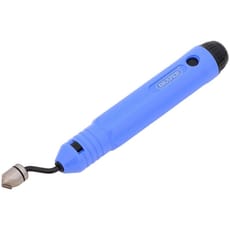
Deburring tools are precision instruments designed to remove unwanted material edges, rough spots, and burrs left behind after cutting, drilling, milling, or machining metal, plastic, and composite materials. These sharp, raised edges can compromise workpiece quality, create safety hazards, and interfere with proper assembly or finishing processes. Whether working with steel pipes, aluminium components, or precision-engineered parts, deburring tools deliver clean, professional edges that meet exacting quality standards required by tradespeople and engineers across the UK.
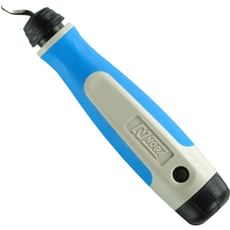
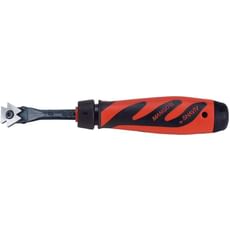
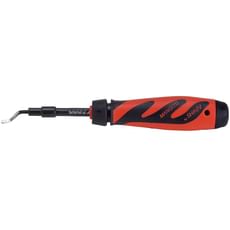
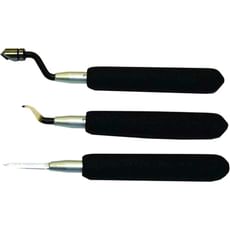
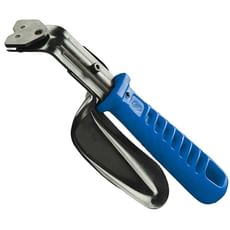
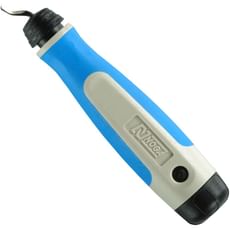
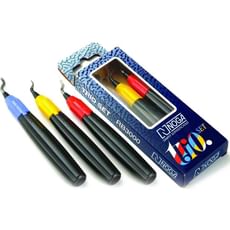
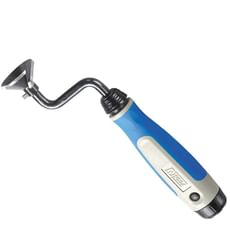
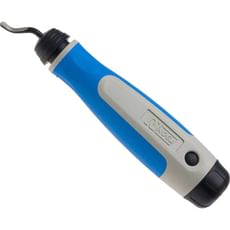
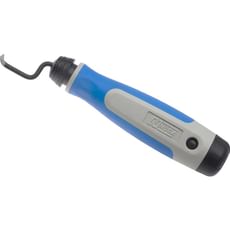
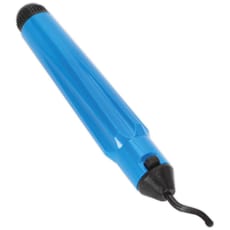
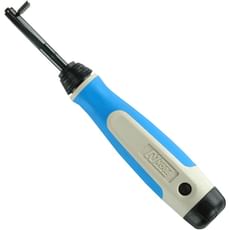
The comprehensive selection at Tooled-Up.com includes manual deburring tools with replaceable blades, external chamfering tools for pipework, micro deburring sets for intricate work, and specialised ceramic blade options for extended tool life. Leading manufacturers like NOGA, Knipex, and Milwaukee offer innovative designs featuring ergonomic handles, adjustable blade angles, and quick-change systems that make deburring faster and more efficient. From simple handheld scrapers to sophisticated double-burr tools with hand guards, the range covers solutions suited to both workshop benches and on-site applications.
Quality deburring tools are indispensable across manufacturing, fabrication, plumbing, and engineering disciplines. They ensure components fit together correctly, prevent injuries from sharp edges, and prepare surfaces for welding, painting, or coating. With brands like Draper, Sealey, and Blue Spot represented alongside premium options from NOGA and Shaviv, professional tradespeople and DIY enthusiasts alike can access reliable tools that deliver consistent results across diverse materials and applications.
Jargon Buster
- Burr: A raised edge or small piece of material that remains attached to a workpiece after machining, cutting, drilling, or grinding operations. Burrs can cause poor fit, reduce product quality, and create safety hazards that must be addressed before assembly or finishing.
- Chamfering: The process of creating a bevelled edge on a workpiece, typically at a 45-degree angle. Chamfering tools remove sharp corners and prepare edges for welding or assembly whilst simultaneously deburring, making them particularly valuable for pipework applications.
- Swivel Blade: A rotating blade design that automatically adjusts to the optimal cutting angle as you work around curves, holes, or irregular surfaces, providing consistent deburring performance and reducing operator fatigue on complex components.
- HSS (High Speed Steel): A durable tool steel alloy used for deburring blades that maintains its hardness and cutting edge even at elevated temperatures generated during use. HSS blades offer excellent value for general metalworking applications.
- Internal/External Deburring: Internal deburring removes burrs from inside pipes, holes, or bores using specialised reamers, whilst external deburring addresses outside edges, corners, and surfaces of workpieces with adjustable cutters or hand tools.
- Ceramic Blade: Advanced deburring blade material offering exceptional wear resistance and longevity, particularly effective for repetitive production work where blade life is critical. Ceramic blades typically last three to five times longer than HSS equivalents.
Who Uses Deburring Tools?
Deburring tools are essential equipment for a wide range of trades and industries:
- Plumbers and Heating Engineers: Deburring copper pipes, plastic pipework, and steel tubes before joining to ensure proper seals and prevent fitting damage
- Machinists and CNC Operators: Finishing machined components to precise specifications and removing sharp edges from milled or turned parts
- Fabricators and Welders: Preparing metal edges for welding and cleaning up cut edges on steel, aluminium, and stainless steel
- Automotive Technicians: Deburring drilled holes in bodywork, chassis components, and brake lines to prevent corrosion and ensure proper assembly
- Electricians: Smoothing cut edges on cable trunking, conduit, and metal back boxes to prevent cable sheath damage
- Sheet Metal Workers: Finishing cut edges on ductwork, panels, and fabricated components to meet quality standards
- Aerospace and Precision Engineers: Meeting strict quality standards by removing microscopic burrs from critical components
- Maintenance Engineers: General workshop deburring tasks across diverse materials and applications
- DIY Enthusiasts: Achieving professional-quality finishes on home projects involving metalwork or pipework
How to Choose the Right Deburring Tools
Material Compatibility: Consider the materials you'll work with most frequently. HSS blades suit general metalworking across steel, aluminium, and brass, whilst ceramic blades excel with abrasive materials and high-volume work. Some tools like the NOGA EO2000 are optimised specifically for plastics to prevent melting or tearing.
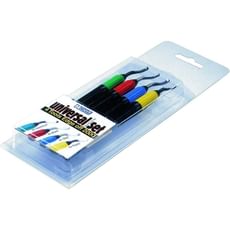
Application Type: External deburring tools with adjustable cutters handle pipes, rods, and outside edges, whilst internal deburring reamers address holes and bores. For versatile workshop use, universal deburring sets with interchangeable blades offer maximum flexibility across different tasks.
Blade Configuration: Single-blade tools provide precision control for detailed work, whilst double-burr designs like the NOGA DB1000 allow bidirectional cutting for faster material removal. Swivel blade mechanisms automatically adjust to complex contours, reducing operator fatigue on intricate components.
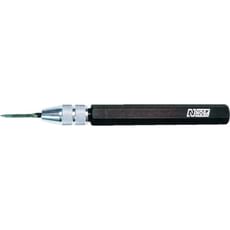
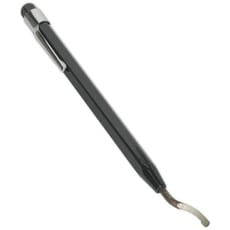
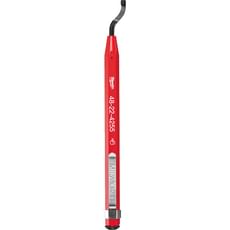
Ergonomics and Safety: Look for comfortable, non-slip handles that reduce hand strain during extended use. Hand guards protect fingers from sharp edges and rotating blades. Compact designs like the Milwaukee reaming pen prove ideal for confined spaces and site work.
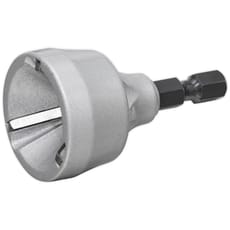
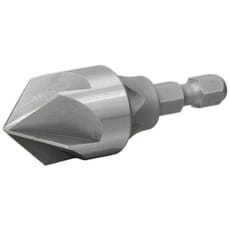
Size Range: Match tool capacity to your typical workpiece dimensions. External chamfering tools often cover ranges like 13-36mm, whilst micro deburring sets suit precision engineering with smaller components. Hex shank designs from Draper integrate seamlessly with electric drills for powered operation.
Blade Replaceability: Tools with replaceable blades offer better long-term value than disposable alternatives. The NOGA DB1000 system provides readily available replacement blades to maintain performance without replacing the entire tool body.
Professional vs DIY Use: Professional tradespeople benefit from premium brands like NOGA and Knipex that withstand daily site work, whilst occasional users may find excellent value in reliable options from Draper, Sealey, or Blue Spot Tools available from Tooled-Up.
Popular Accessories
- Replacement Blades: HSS, carbide, and ceramic blades in various profiles to maintain tool performance and adapt to different materials
- Blade Storage Cases: Protective cases for deburring tool sets and spare blades, essential for mobile tradespeople
- Cutting Oils and Lubricants: Reduce friction and heat build-up when deburring harder metals, extending blade life significantly
- Pipe Cutters: Quality pipe cutters from brands like Knipex minimise burr formation in the first place
- Files and Scrapers: Complementary hand tools for heavier material removal before fine deburring
- Bench Vices: Secure workpieces safely during deburring operations
- Safety Gloves: Cut-resistant gloves protect hands when handling sharp-edged workpieces
- Parts Cleaning Brushes: Remove swarf and debris after deburring operations
Safety Information
Deburring operations present specific hazards that require appropriate precautions. Always wear safety glasses or goggles to protect eyes from flying metal particles and swarf. Sharp deburring blades and freshly deburred edges can cause serious cuts—consider wearing cut-resistant gloves, particularly when handling workpieces.
Ensure workpieces are securely held in a vice or fixture before deburring to prevent slipping that could cause injury. Never apply excessive force; let the sharp blade do the work with controlled, steady pressure. Keep fingers clear of the cutting path and use tools with integrated hand guards wherever possible.
Dispose of swarf and metal shavings appropriately, as they present slip hazards and can cause puncture injuries. Store deburring tools with blade guards or covers fitted to protect both the sharp edges and anyone handling them. Replace worn or damaged blades promptly, as dull blades require excessive force and increase accident risk.
When working with certain metals, be aware of potential sharp burr fragments that can become embedded in skin. Maintain good housekeeping in your work area and clean up metal debris regularly. Follow HSE guidance on manual handling and repetitive operations if deburring forms a significant part of your daily work.
Frequently Asked Questions
What's the difference between deburring and chamfering?
Deburring specifically removes unwanted raised edges and rough material left after cutting or machining, returning the edge to a smooth, clean state. Chamfering creates an intentional bevelled edge, typically at 45 degrees, which both removes burrs and prepares edges for welding, assembly, or to prevent sharp corners. Many external deburring tools perform both functions simultaneously, making them versatile for pipework and fabrication.
How often should I replace deburring blades?
Blade life depends on usage frequency, material hardness, and blade type. Ceramic blades typically last three to five times longer than HSS blades. Replace blades when you notice increased effort required, poor edge quality, or chattering during use. For professional daily use on harder materials, expect to replace HSS blades monthly, whilst occasional DIY use may extend blade life to a year or more.
Can I use the same deburring tool for metal and plastic?
Yes, most quality deburring tools work effectively across different materials including steel, aluminium, brass, copper, and various plastics. However, softer materials like plastic and copper create less blade wear, whilst harder steels and stainless steel are more demanding. Some specialised tools like the NOGA Plastic Edge Off are optimised specifically for plastics to prevent melting or tearing.
Are manual deburring tools better than power tool attachments?
Manual deburring tools offer superior control, precision, and tactile feedback, making them ideal for varied work, delicate components, and situations where you need to feel the material response. Power tool deburring attachments excel at high-volume production work with consistent material types. Many professionals keep both options available, choosing based on the specific task requirements.
Do I need different tools for internal and external deburring?
Internal and external applications often require different tool designs. External deburring tools with adjustable cutters wrap around pipes and outside edges, whilst internal reamers and counterbore tools address holes and bores. Universal deburring tools with swivel blades can handle both applications to some extent, making them excellent versatile options for general workshop use where space and budget matter.