
Decorating & Tiling Tools

Pay in 3 interest-free payments on purchases from £20-£3000 with  . Learn more.
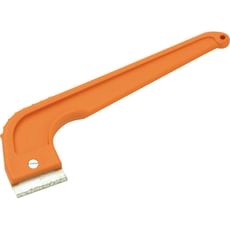
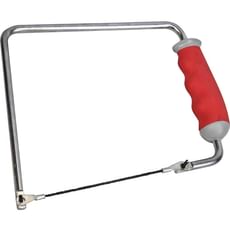
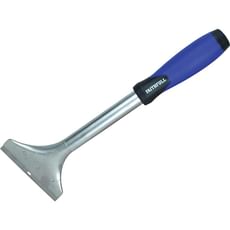
Loading...
End of content
Error - No more pages to load
About Decorating & Tiling Tools
Decorating and tiling tools represent the cornerstone of professional interior finishing, encompassing everything from surface preparation through to the final coat of paint or grout line. This comprehensive category brings together specialist equipment for painters, decorators, tilers and DIY enthusiasts tackling renovation projects. Whether you're preparing walls with filling knives and scrapers, achieving flawless paint finishes with quality brushes and rollers, or laying ceramic tiles with precision cutting and spacing tools, having the right equipment transforms both the working process and the final result.
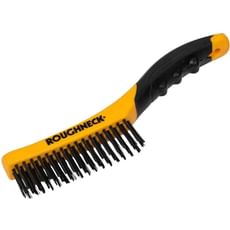
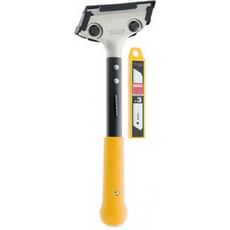
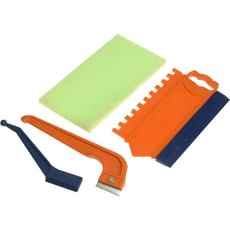
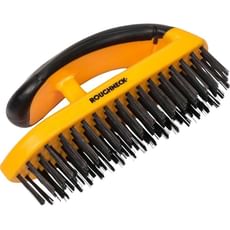
The range at Tooled-Up.com covers every stage of decoration and tiling work, from initial surface preparation tools including sanders, wire brushes and bladed scrapers, through to application equipment such as notched trowels, paint brushes and grout floats. Measuring tools ensure accuracy, hand mixing paddles prepare adhesives and fillers to the correct consistency, whilst wallpaper tools, tile spacers and levelling systems help achieve professional standards. Trusted brands like Stanley, Bahco and specialist manufacturers provide the durability and precision that professional tradespeople demand for daily site work, whilst offering DIY users the quality needed for long-lasting home improvements.
Modern decorating and tiling projects require efficiency without compromising finish quality. Professional decorators and tilers rely on tools that withstand continuous use whilst delivering consistent results across residential, commercial and industrial applications. Proper tool selection directly impacts project completion times, material waste levels, and the longevity of finished work. From preparing substrate surfaces and cutting in around architectural details, to laying large-format porcelain tiles or achieving smooth plaster finishes, the right tools make challenging tasks manageable and help deliver work that stands the test of time.
Jargon Buster
- Feathering: The technique of blending filler, plaster or compound into surrounding surfaces to create an imperceptible transition. A flexible filling knife is essential for achieving smooth feathered edges that disappear completely under subsequent paint coats.
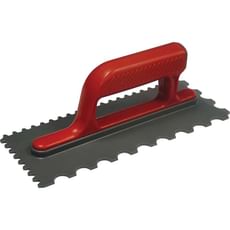
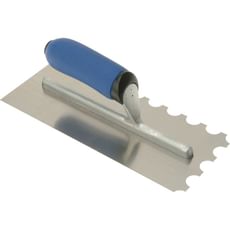
- Notched Trowel: A specialised spreading tool featuring V-shaped or square notches cut into the blade edge, used to apply tile adhesive at a consistent depth. The notch size directly determines adhesive coverage and must be matched to tile size and type for proper bonding.
- Keying: The process of abrading or roughening smooth surfaces to provide better mechanical adhesion for subsequent coatings, fillers or adhesives. Wire brushes, coarse abrasives and specialised keying tools create the necessary surface profile for reliable bonding.
- Cutting In: The technique of carefully painting edges, corners, margins and detailed areas with a brush before roller application on larger surfaces. Quality cutting-in brushes with angled bristles provide the precision and control needed for clean lines without masking tape.
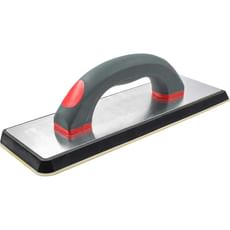
- Grout Float: A rubber-faced tool used to press grout firmly into tile joints whilst removing excess material from tile surfaces. The flexible rubber base ensures proper grout compaction without scratching delicate tile glazes or polished surfaces.
- Lipping: The uneven edge created when adjacent tiles sit at slightly different heights, creating a trip hazard or visually poor finish. Tile levelling systems and careful substrate preparation prevent lipping on professional installations.
Who Uses Decorating & Tiling Tools?
Decorating and tiling tools serve a diverse range of professionals and enthusiasts across the construction and property maintenance sectors:
- Painters and Decorators: Professional tradespeople requiring reliable tools for daily site work across residential, commercial and industrial projects, from new builds to heritage restoration
- Tilers: Specialists in ceramic, porcelain and natural stone installation who depend on precision cutting equipment, measuring tools and laying systems for floor and wall applications
- Plasterers: Professionals who use filling knives, hawk boards, trowels and smoothing tools for surface preparation, repair work and finishing coats
- General Builders: Multi-trade contractors who handle finishing work as part of refurbishment, extension and new-build projects requiring competence across multiple disciplines
- Maintenance Teams: Property maintenance professionals, facilities managers, housing association workers and local authority teams conducting ongoing repairs and refurbishment programmes
- Shop Fitters: Specialists creating retail environments who require quality finishing tools for bespoke installations and commercial decorating standards
- Landlords and Property Developers: Those managing property portfolios who carry out decoration and repair work between tenancies or during renovation projects
- DIY Enthusiasts: Homeowners tackling renovation projects, bathroom and kitchen installations, or general home improvements who want professional results with appropriate equipment
How to Choose the Right Decorating & Tiling Tools
Project Scope and Frequency
For occasional DIY work, mid-range tools from established brands like Stanley offer excellent value and sufficient durability for intermittent use. Professional tradespeople should invest in premium tools designed for continuous daily use, which withstand the rigours of site work and provide better long-term value through extended lifespan and consistent performance.
Material Compatibility
Different surfaces and materials demand specific tools. Porcelain tiles require diamond-tipped cutters due to their hardness, whilst ceramic tiles work with score-and-snap tools. Decorating tools similarly vary: synthetic brushes suit water-based emulsions and acrylics whilst natural bristles provide better flow and finish with oil-based paints and varnishes. Notched trowel specifications must match tile size and adhesive type for proper bonding.
Ergonomics and User Comfort
Professional use demands comfortable, well-balanced tools that reduce fatigue during extended working periods. Look for soft-grip handles, appropriate weight distribution, and designs suited to your hand size. This becomes critical during full-day decorating sessions or repetitive tiling work where poor ergonomics lead to strain injuries and reduced productivity.
Precision Requirements
Projects requiring high accuracy—such as feature tiling, cutting in around period architectural details, or achieving perfect grout lines—warrant investment in quality measuring tools, spirit levels and cutting equipment. Budget tools may suffice for utility areas or preparation work but can compromise visible finished work where precision matters.
Storage and Organisation
Consider how you'll transport and store tools between jobs or during multi-stage projects. Professional decorators and tilers benefit from organised tool bags, boxes or van racking that protect equipment and improve site efficiency. Stanley FatMax and similar modular storage systems offer solutions that expand as your toolkit grows.
Maintenance and Cleaning
Choose tools that are straightforward to clean and maintain. Stainless steel scrapers and knives resist corrosion in damp conditions, whilst quality brushes with properly set bristles can be thoroughly cleaned and reused hundreds of times. Tools that are difficult to clean encourage premature disposal and ongoing replacement costs.
Popular Accessories
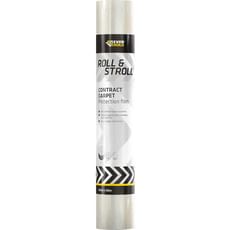
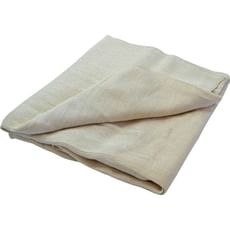
- Dust Sheets and Floor Protection: Essential for protecting surfaces, flooring and furniture during decorating and preparation work, available in cotton, polythene and canvas with various weights and sizes
- Masking Tape and Film: Various widths and adhesive strengths for protecting edges, creating clean paint lines, covering fixtures and masking windows during spray application
- Mixing Buckets and Paint Scuttles: For preparing adhesives, fillers and plaster, plus decanting paint for easier brush loading and reducing contamination of main paint tins
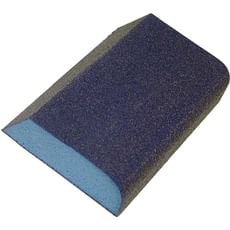
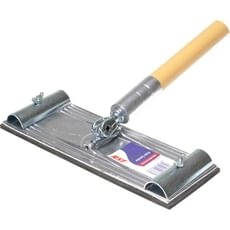
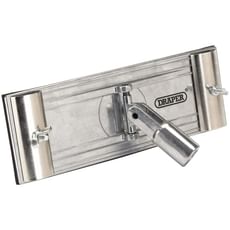
- Sandpaper and Abrasives: Multiple grits from coarse stripping grades through to fine finishing papers for surface preparation, plus sanding blocks and holders
- Tile Spacers and Levelling Systems: Ensure consistent joint width and perfectly level tile installations, particularly important for large-format tiles and polished porcelain
- Cleaning Solutions and Solvents: Specialised cleaners for removing adhesive residue, grout haze, paint splashes and tool cleaning, plus brush restorers and conditioners
- Extension Poles: Attach to rollers, sanders and paint pads for reaching high walls and ceilings without ladders, available in telescopic and fixed-length versions
- Work Platforms and Hop-Ups: Provide safe working height for detail work, cutting in and tile installation, with non-slip surfaces and appropriate load ratings
- Kneepads and Protective Gear: Essential comfort and safety equipment for floor tiling and low-level work, reducing strain and preventing knee injuries during extended kneeling
- Tool Cleaning Equipment: Brush combs, roller cleaners, wire brushes and scraping tools for maintaining equipment in working condition
Safety Information
Working with decorating and tiling tools requires attention to health and safety practices. Always wear appropriate PPE including dust masks or respirators when sanding, cutting tiles or working with dry adhesive powders, as fine particles can cause respiratory irritation and long-term health issues. Safety glasses or goggles protect eyes from splashes when mixing adhesives, cleaning solutions or using scrapers and wire brushes, whilst also guarding against tile chips during cutting operations.
When working at height with extension poles or on work platforms, ensure stable footing and follow HSE guidance for working at height. Never overreach from platforms, and ensure hop-ups are positioned on level, stable surfaces. Many decorating materials fall under COSHH regulations—read product labels carefully and ensure adequate ventilation when working with adhesives, solvents and certain paints. Store chemicals securely away from heat sources and out of reach of children.
Sharp bladed tools including scrapers, filling knives and tile cutters should be handled carefully, with blades retracted or covered when not in use. Replace blunt blades promptly as they require excessive force and increase injury risk. Repetitive work such as prolonged sanding, tiling or extended painting sessions can cause strain injuries—take regular breaks, maintain good posture, and use ergonomic tools where possible. For professional tradespeople, employer-provided health surveillance may be appropriate for prolonged exposure to vibration from power sanders or dust from cutting and abrading operations.
Frequently Asked Questions
What's the difference between a filling knife and a scraper?
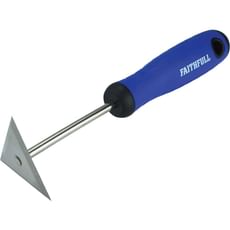
Filling knives feature flexible blades designed for applying and smoothing filler, plaster or similar compounds into cracks, holes and joints, with the flexibility allowing proper material compaction and feathering. Scrapers have stiffer, often replaceable blades designed for removing old paint, wallpaper or adhesive through mechanical action. Whilst there's some overlap in use, the flexibility difference means each excels at its primary purpose—using a scraper for filling or a filling knife for heavy scraping produces poor results.
Do I need different tools for wall and floor tiling?
Whilst many tools work for both applications, floor tiling often requires more robust equipment due to larger, thicker tiles and higher traffic loads. Heavy-duty tile cutters, larger notched trowels for thicker adhesive beds, knee pads and tile levelling systems become essential. Wall tiling demands different techniques for working against gravity, with spacers and levelling systems particularly valuable for preventing tile slippage during adhesive curing, plus different grout application methods.
How do I choose the right paint brush size for decorating work?
Brush size depends on the surface area and detail level required. Large wall areas suit 100-150mm brushes for efficient coverage, whilst 50-75mm brushes work well for woodwork, doors, skirting boards and cutting in around ceilings. Smaller 25-38mm brushes handle detailed work, window frames, beading and tight spaces. Professional decorators typically carry a range of sizes to suit different situations encountered on site, whilst DIY users can manage most projects with 25mm, 50mm and 100mm brushes.
Can I use the same mixing paddle for different materials?
Yes, provided you clean the paddle thoroughly between uses. Residual tile adhesive contaminating plaster or filler can affect setting times, final strength and bonding properties. For frequent professional use, some tradespeople maintain dedicated paddles for different materials to save cleaning time, prevent cross-contamination and ensure optimal mixing performance. Always clean paddles immediately after use before material hardens on the mixing blades.
What maintenance do decorating and tiling tools require?
Clean tools immediately after use—dried adhesive, grout or paint is extremely difficult to remove and permanently damages tools. Wash brushes and rollers thoroughly in appropriate solvents or water, reshape bristles whilst wet and store flat or hanging to maintain proper form. Wipe down metal tools with a damp cloth and apply a light oil film to prevent rust formation. Check scraper and knife blades for sharpness, nicks and damage, replacing or sharpening as needed. Proper maintenance significantly extends tool life, ensures consistent results and represents substantial cost savings over tool replacement.