

Decorative Stamps

Pay in 3 interest-free payments on purchases from £20-£3000 with  . Learn more.
 Loading...
End of content
Error - No more pages to load
About Decorative Stamps
Decorative stamps are creative crafting tools designed to add personalised patterns, images and designs to a variety of surfaces and materials. In the DIY and craft context, these stamps typically feature raised designs on their surface that transfer decorative motifs onto paper, card, wood, fabric, clay, plaster, and other workable materials when pressed into place. Popular amongst craft enthusiasts, home decorators, and creative professionals, decorative stamps offer an accessible way to add professional-looking embellishments to projects ranging from handmade greeting cards and scrapbooking to furniture restoration and home décor items.
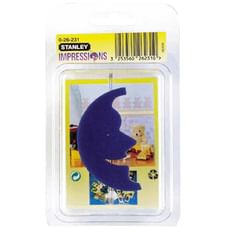
The decorative stamp collection at Tooled-Up.com includes designs such as maple leaves, moons, and teddy bears from trusted manufacturer Stanley. These stencil-style stamps allow users to create custom borders, repeat patterns, and themed decorations across various craft and light DIY projects. Unlike heavy-duty concrete pattern stamps used in construction, these decorative versions are designed for smaller-scale creative work, perfect for adding character to handmade items, personalising gifts, or creating unique decorative finishes on painted furniture and household objects.
Whether you're embellishing wooden boxes, creating textured effects on painted surfaces, adding motifs to soft clay or plaster crafts, or designing custom stationery, decorative stamps provide consistent, repeatable results with minimal artistic skill required. They work particularly well when combined with acrylic paints, ink pads, embossing powders, and various craft mediums to achieve different visual effects. The ability to create professional-looking patterns and designs makes these tools invaluable for anyone interested in personalising their living space or creating handcrafted items with a distinctive, polished appearance.
Jargon Buster
- Stencil Design: A stamp featuring cut-out or raised patterns that transfer outlines or solid shapes onto surfaces, allowing for precise repetition of decorative motifs across multiple applications.
- Embossing: A technique using decorative stamps with embossing powders and heat tools to create raised, three-dimensional designs on paper and card surfaces.
- Motif: The specific decorative pattern, image or design featured on the stamp surface, such as nature themes (leaves, moons), animals, geometric patterns, or seasonal imagery.
- Registration: The process of aligning stamps accurately when creating borders or repeated patterns to ensure consistent spacing and straight lines across the decorated surface.
- Ink Pad: A cushioned pad saturated with pigment or dye-based ink used to transfer colour from the stamp design onto the chosen surface material.
- Heat Setting: The process of using heat (from an iron or heat gun) to permanently fix stamped designs onto fabric or other heat-sensitive materials, ensuring the decoration withstands washing and handling.
Who Uses Decorative Stamps?
Decorative stamps appeal to a diverse range of creative individuals and professionals:
- Craft Enthusiasts: Hobbyists creating handmade cards, scrapbooks, and paper crafts
- Home Decorators: DIYers personalising furniture, walls, and home accessories
- Gift Makers: Those creating bespoke presents with personalised touches
- Teachers and Educators: Using stamps for classroom activities and educational materials
- Small Business Crafters: Makers producing handmade goods for sale at markets and online
- Artists and Designers: Incorporating stamped elements into mixed media artwork
- Upcyclers: Transforming old furniture and household items with decorative finishes
- Event Planners: Creating themed decorations for parties and special occasions
- Children's Activity Leaders: Organising creative sessions at clubs and holiday programmes
- Textile Workers: Adding decorative patterns to fabric projects and soft furnishings
How to Choose the Right Decorative Stamps
Design and Theme: Select stamp designs that match your project aesthetic and intended use. Nature-inspired motifs like the maple leaf design work beautifully for autumn-themed crafts and seasonal decorations, whilst whimsical designs such as teddy bears suit children's projects and nursery décor. Consider whether you need realistic imagery, stylised graphics, or abstract patterns based on your creative vision.
Size and Scale: Evaluate the stamp dimensions relative to your typical projects. Larger stamps cover more area quickly when creating backgrounds or repetitive patterns, whilst smaller designs offer precision for detailed work and compact surfaces. Consider purchasing stamps in complementary sizes for creating layered effects and varied compositions.
Material Compatibility: Ensure your chosen stamps work effectively with your preferred craft materials. Most decorative stamps from Tooled-Up perform well on paper, card, and wood, but verify compatibility if working with fabric, polymer clay, or other specialist surfaces. Some designs transfer better with specific mediums like acrylic paint versus ink pads.
Durability and Quality: Stanley's reputation for tool quality extends to their decorative stamps, offering reliable construction that withstands repeated use. Quality stamps maintain crisp, clear impressions over time without degrading, making them worthwhile investments for regular crafters. Check that stamp surfaces are properly mounted and backing materials are sturdy enough for consistent pressure application.
Collection Building: Consider how individual stamps might combine to create coordinated designs. Purchasing stamps within similar themes or complementary styles allows for greater creative flexibility when designing borders, patterns, and layered compositions across multiple projects.
Popular Accessories
- Ink Pads: Pigment and dye-based pads in various colours for transferring stamp designs
- Acrylic Craft Paints: For stamping onto wood, furniture, and three-dimensional surfaces
- Embossing Powders: Heat-activated powders creating raised, glossy designs on paper
- Heat Guns: For setting embossing powder and heat-fixing fabric designs
- Stamp Cleaning Solutions: Specialist cleaners maintaining stamp detail and prolonging lifespan
- Craft Brushes: For applying paint evenly to stamp surfaces before pressing
- Clear Acrylic Blocks: Providing stable backing for unmounted stamps and better visibility during positioning
- Masking Tape: Creating straight edges and protecting areas from accidental stamping
- Textured Papers: Cardstock and speciality papers optimised for stamped designs
- Sealers and Varnishes: Protecting finished stamped surfaces on furniture and decorative objects
- Stamp Storage Cases: Organising and protecting stamp collections from dust and damage
Safety Information
Whilst decorative stamping is generally a safe activity, observe these sensible precautions:
Ventilation: Always work in well-ventilated areas when using solvent-based inks, paints, or sealers. Open windows and use extraction fans where possible to prevent inhalation of fumes, particularly important when using aerosol products or heat-setting designs with heat guns.
Heat Tools: Exercise caution when using heat guns for embossing, as these tools reach high temperatures capable of causing burns. Never leave heat guns unattended whilst switched on, keep them away from flammable materials, and allow adequate cooling time before storage. Ensure any heat gun used operates safely on the UK 240v mains supply.
Chemical Safety: Read manufacturer instructions for all inks, paints, and cleaning solutions. Some products may cause skin irritation, so consider wearing disposable gloves when handling. Store craft chemicals securely away from children and pets, and dispose of empty containers according to local authority guidelines.
Sharp Edges: Some stamp edges or backing materials may have sharp corners. Handle carefully to avoid cuts, particularly when cleaning or changing stamp designs on mounting blocks.
Frequently Asked Questions
Q: What surfaces can I use decorative stamps on?
A: Decorative stamps work on numerous surfaces including paper, card, wood, unglazed ceramics, fabric, polymer clay, plaster, and painted surfaces. The Stanley decorative stamps at Tooled-Up.com are versatile stencil designs suitable for most common craft materials. Success depends on using appropriate inks or paints for each surface type – fabric requires textile inks and heat setting, whilst wood accepts acrylic paints well. Always test on scrap material first to ensure satisfactory results.
Q: How do I clean decorative stamps after use?
A: Clean stamps immediately after use to prevent ink or paint drying in the design details. For water-based inks and acrylics, rinse under lukewarm water whilst gently rubbing with fingers or a soft brush to remove residue. Pat dry with kitchen paper or a lint-free cloth. For solvent-based products, use appropriate stamp cleaning solution following manufacturer instructions. Never use harsh chemicals or abrasive materials that might damage stamp surfaces. Proper cleaning maintains sharp impressions and extends stamp lifespan considerably.
Q: Can I create repeating patterns and borders with these stamps?
A: Absolutely – decorative stamps excel at creating consistent borders and repeating patterns. The key is careful registration (alignment) between impressions. Use a ruler and light pencil marks to guide placement, or create a simple cardboard template with spacing marked out. For borders, work from one end systematically, allowing each impression to dry before stamping adjacent areas to avoid smudging. With practice, you'll develop techniques for maintaining straight lines and even spacing across larger projects.
Q: Do decorative stamps work with embossing techniques?
A: Yes, most decorative stamps work beautifully for embossing on paper and card. Apply pigment embossing ink to the stamp, press onto your surface, then immediately sprinkle embossing powder over the wet ink. Tap off excess powder and apply heat using an embossing heat gun until the powder melts and becomes raised and glossy. This technique creates elegant, professional-looking results perfect for greeting cards and stationery. Ensure adequate ventilation when heat embossing and follow heat gun safety guidance.
Q: How long do decorative stamps typically last?
A: Quality decorative stamps from established manufacturers like Stanley provide years of reliable service with proper care. Lifespan depends on usage frequency and maintenance habits – stamps cleaned promptly after each use and stored correctly away from direct sunlight and extreme temperatures will maintain crisp impressions through hundreds or even thousands of applications. Signs of wear include loss of fine detail and incomplete pattern transfer, at which point replacement ensures continued professional results in your creative projects.