

Decorators Caulk
Pay in 3 interest-free payments on purchases from £30-2000 with  . Learn more.
 Loading...
End of content
Error - No more pages to load
About Decorators Caulk
Decorators caulk is an indispensable finishing product for professional painters, decorators and DIY enthusiasts, designed to fill gaps, cracks and joints between surfaces before painting or wallpapering. Unlike traditional powder fillers that set rigid and can crack over time, decorators caulk remains permanently flexible, preventing unsightly cracks from reappearing as buildings naturally expand and contract with temperature and humidity changes. This flexible acrylic sealant creates seamless joins between walls and ceilings, around door frames, window frames, skirting boards and coving, delivering the professional, polished finish that distinguishes quality decorating work from amateur efforts.
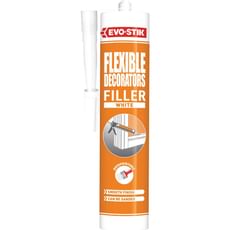
Modern decorators caulk formulations available at Tooled-Up.com offer excellent adhesion to most common building materials including plaster, wood, MDF, masonry, plasterboard and previously painted surfaces. These products are supplied in convenient cartridges for use with skeleton or powered sealant guns, or handy squeezy tubes for smaller repair jobs and touch-ups. Leading brands such as Everbuild, Evo-Stik and Polycell have developed quick-drying formulations that significantly reduce waiting time between filling and decorating, with some one-hour products allowing you to fill and paint in a single visit.
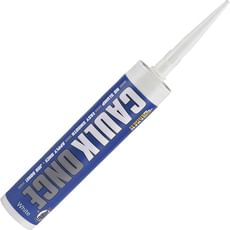
The key advantage of decorators caulk over rigid fillers is its flexibility and superior crack-resistance. Where traditional fillers crack and fall out over time, particularly at junctions where different materials meet, flexible caulk moves with the substrate whilst maintaining a perfect seal. This makes it absolutely essential for filling expansion gaps, sealing around architraves, and achieving crisp lines where walls meet ceilings – areas that experience the most movement in any building structure. Premium products like Everbuild Caulk Once offer enhanced polymer technology for superior adhesion, minimal shrinkage and outstanding long-term durability.
Jargon Buster
- Flexible Acrylic Sealant: A polymer-based filler that remains permanently elastic after curing, allowing it to accommodate building movement without cracking. This flexibility is what fundamentally distinguishes decorators caulk from standard powder fillers and makes it ideal for movement joints.
- Overpaintable Time: The period you must wait after application before you can successfully paint over the caulk without affecting its performance. Quick-drying formulations can be painted in as little as one hour, whilst standard products typically require 2-4 hours depending on environmental conditions.
- Low Modulus: Refers to a caulk's flexibility characteristics – low modulus products are softer and more flexible, making them ideal for joints that experience significant movement such as timber frames in period properties or junctions between dissimilar materials.
- Grab/Tack: The initial adhesion strength of wet caulk to surfaces. High grab formulations stick immediately upon contact, preventing slumping on vertical surfaces or overhead applications, which is particularly useful when filling ceiling joints.
- Sag Resistance: The ability of caulk to stay in place without slumping or running when applied to vertical or overhead surfaces. This is particularly important when filling deeper gaps or working above head height on coving and ceiling lines.
- Minimal Shrinkage: Premium decorators caulks are formulated to shrink very little as they cure, ensuring the filled gap remains properly sealed without requiring second applications. Inferior products may shrink significantly, creating voids that compromise the finish.
Who Uses Decorators Caulk?
Decorators caulk is an essential product for various trades and DIY enthusiasts working on interior finishing projects:
- Professional Painters and Decorators: Use caulk on virtually every project to achieve seamless finishes and eliminate unsightly gaps before applying paint or wallpaper, ensuring client satisfaction and repeat business.
- Plasterers: Apply decorators caulk as a final finishing touch around newly plastered areas, particularly at junctions with existing surfaces where traditional filler would crack.
- Joiners and Carpenters: Use to seal gaps around fitted architraves, skirting boards, door frames and window boards, providing that professional finish that complements quality joinery work.
- Shop Fitters: Essential for finishing retail and commercial interiors where appearance is absolutely critical and movement joints must remain crack-free under daily use.
- Property Maintenance Teams: Stock decorators caulk for ongoing repairs and redecoration work in commercial and residential properties, particularly useful for quick touch-ups between major refurbishments.
- DIY Enthusiasts: Home improvers undertaking decorating projects who want professional-looking results without the cracks and imperfections that plague amateur attempts.
- Landlords and Property Managers: Use for cosmetic improvements and preparation work between tenancies, maintaining property standards cost-effectively.
- Theatre and Set Designers: Require quick-drying, overpaintable fillers for creating seamless set constructions that need finishing rapidly.
How to Choose the Right Decorators Caulk
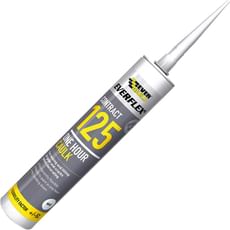
Drying Time: Consider your project timeline carefully. One-hour caulks such as Everbuild One Hour Decorators Caulk allow you to fill and paint in a single visit, ideal for time-sensitive commercial jobs or when working to tight deadlines. Standard formulations may require 2-4 hours but are typically more economical for larger residential projects where time isn't critical.
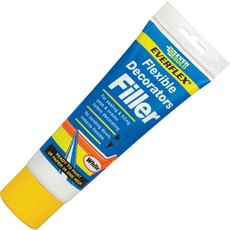
Application Method: Cartridge-based products used with a skeleton gun or battery-powered applicator suit larger projects and provide better control for continuous beads along lengthy joints. Squeezy tubes like Everbuild Flexible Filler Squeezy Tube are perfect for small repairs, touch-ups, or working in confined spaces where a full-size gun would be cumbersome.
Gap Size: Standard decorators caulk works effectively for gaps up to approximately 5mm wide. Larger gaps may require multiple applications with drying time between coats, or a combination of backing material with caulk finishing. Very fine hairline cracks are best addressed with thinner, more workable formulations that can penetrate properly.
Flexibility Requirements: High-movement areas such as junctions between timber and masonry, around door frames in period properties, or where different building materials meet, benefit from maximum flexibility products. Modern properties with minimal structural movement can use standard formulations successfully.
Surface Compatibility: Most decorators caulk adheres well to common substrates including plaster, wood, painted surfaces and masonry. However, always verify compatibility with your specific surface, particularly when filling between different materials which may expand at different rates.
Product Quality: Premium formulations like Everbuild Caulk Once offer superior polymer technology for enhanced adhesion, minimal shrinkage and outstanding long-term performance. Whilst budget products may appear similar initially, professional decorators and tradespeople working at Tooled-Up.com often prefer established brands like Everbuild, Evo-Stik and Polycell for consistent quality and reliability on client projects.
Popular Accessories
- Skeleton Sealant Guns: Manual applicators for standard 310ml cartridges, available in various qualities from basic DIY models to professional smooth-flow versions with thrust ratios suitable for all-day use.
- Battery Sealant Guns: Powered applicators from Milwaukee, Makita and DeWalt offering consistent pressure control and reduced hand fatigue on large commercial projects requiring multiple cartridges.
- Caulk Finishing Tools: Profiling tools and smoothing implements for achieving perfect concave or convex finishes on caulk beads, available in various profiles for different joint sizes.
- Scrapers and Filling Knives: Essential for removing old caulk and applying filler to larger areas before caulking, with flexible blades preventing surface damage.
- Decorators Brushes: Quality brushes specifically designed for painting over freshly applied caulk without disturbing the smoothed surface.
- Sugar Soap: Professional cleaning solution for preparing surfaces before caulk application to ensure maximum adhesion and long-term performance.
- Masking Tape: Creates crisp, clean edges and prevents caulk spreading onto finished surfaces, particularly important when working on previously painted walls.
- Sealant Remover: Specialist products for efficiently removing old, failed caulk without damaging underlying surfaces before reapplication.
- Caulk Nozzles: Replacement nozzles in various sizes for controlling bead width and achieving different application profiles.
Frequently Asked Questions
What's the difference between decorators caulk and silicone sealant?
Decorators caulk is an acrylic-based flexible filler specifically designed to be overpainted and used on interior surfaces for decorating work. Silicone sealant is waterproof and more durable in wet conditions but cannot be painted over, making it suitable for bathrooms, kitchens and external applications but completely unsuitable for general decorating work. Always use decorators caulk for paintable interior surfaces and silicone for wet areas requiring waterproof seals.
How soon can I paint over decorators caulk?
This depends entirely on the product formulation. Quick-drying products like Everbuild One Hour Decorators Caulk can be overpainted in as little as 60 minutes under normal conditions, whilst standard formulations typically require 2-4 hours. Always check the manufacturer's specific instructions on the cartridge or tube, and note that humid conditions, thick applications or poor ventilation may extend drying times considerably. The caulk should form a skin and feel dry to touch before painting.
Can I use decorators caulk outdoors?
Most standard decorators caulk is specifically formulated for interior use only and won't withstand prolonged UV exposure, rainfall and temperature extremes experienced outdoors. For external applications around windows, doors, cladding and external timber work, you'll need a dedicated exterior-grade flexible sealant or external frame sealant that offers proper weather resistance, UV stability and waterproofing capabilities.
Why does caulk sometimes crack after application?
Cracking typically occurs when using rigid powder filler instead of flexible caulk, applying caulk to damp, dusty or greasy surfaces, or when the gap experiences more movement than the caulk can accommodate. Ensure surfaces are completely clean and dry before application, use appropriate flexible decorators caulk rather than standard filler, and for high-movement areas such as timber-to-masonry junctions, consider a more flexible low modulus formulation. Applying caulk too thinly or stretching it excessively during tooling can also cause premature cracking.
How do I achieve a perfectly smooth finish with decorators caulk?
Apply a continuous bead slightly overfilling the gap, then smooth immediately using a moistened finger, purpose-made caulk finishing tool, or wet cloth, working in manageable sections of 1-2 metres. Some professional decorators add a drop of washing-up liquid to water for smoothing as it prevents caulk sticking to the tool whilst providing excellent lubrication. Remove masking tape whilst caulk is still wet for the cleanest possible results, and avoid going back over previously smoothed areas as this can disturb the surface and create imperfections.