

Dehumidifers
Pay in 3 interest-free payments on purchases from £30-2000 with  . Learn more.
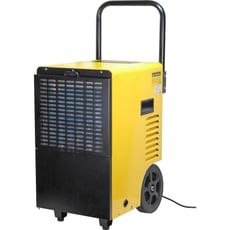
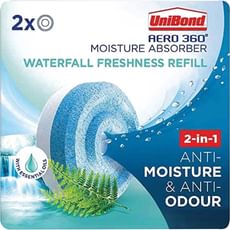
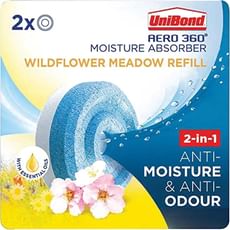
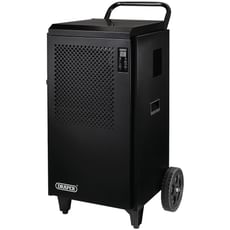
 Loading...
End of content
Error - No more pages to load
About Dehumidifiers
Dehumidifiers are essential equipment for controlling moisture levels in workshops, storage facilities, construction sites, and domestic spaces throughout the UK. These powerful devices extract excess humidity from the air, preventing condensation, mould growth, and damage to materials, tools, and finished work. Whether you're a tradesperson drying out a newly plastered room, a builder working on a renovation project, or a workshop owner protecting valuable equipment, a reliable dehumidifier is crucial for maintaining optimal working conditions and protecting your investment in tools and materials.
The comprehensive range at Tooled-Up.com includes industrial-grade dehumidifiers from trusted brands such as Sealey, Draper, Faithfull, and Unibond, designed to tackle demanding professional applications. From compact portable units suitable for smaller spaces to high-capacity industrial models capable of extracting 50 litres or more per day, there are dehumidifiers to suit every requirement. Many units feature additional functionality, including air conditioning, heating, and air purification capabilities, providing year-round climate control for your workspace.
Modern dehumidifiers incorporate advanced features such as automatic humidity sensors, continuous drainage options, digital controls for precise moisture management, and auto-defrost functions. Available in both 240v standard voltage and 110v site-safe variants, these dehumidifiers comply with UK electrical standards and are built to withstand the rigours of professional use in construction, restoration, and industrial environments.
Jargon Buster
- Extraction Rate: The amount of moisture a dehumidifier can remove from the air in 24 hours, typically measured in litres per day. Higher extraction rates are necessary for larger spaces or particularly damp environments. Industrial models can extract 50-70 litres daily, whilst smaller units manage 10-20 litres.
- Humidistat: An automatic sensor that monitors ambient humidity levels and switches the dehumidifier on or off to maintain your desired moisture level, typically between 40-60% relative humidity for optimal comfort and protection of materials and equipment.
- Refrigerant Dehumidifier: The most common type, which works like a refrigerator by cooling air to condense moisture. These are highly effective in warmer conditions above 15°C and are ideal for most professional applications in heated workshops and indoor environments.
- Desiccant Dehumidifier: Uses moisture-absorbing materials rather than refrigeration. These units work more efficiently in colder environments (below 15°C) and are often preferred for unheated workshops, garages, or winter site work where refrigerant models would struggle.
- Continuous Drainage: A feature allowing water to drain directly through a hose into a sink or drain, eliminating the need to manually empty the collection tank—essential for long-term or unattended operation on sites or in workshops running equipment overnight.
- Auto-Defrost: Prevents ice build-up on refrigerant coils during operation in cooler temperatures, ensuring consistent performance without manual intervention. Critical for maintaining efficiency when ambient temperatures drop below 15°C.
Who Uses Dehumidifiers?
- Plasterers and Decorators: Accelerating drying times after plastering, rendering, or applying water-based paints and finishes to meet project deadlines
- Builders and General Contractors: Managing moisture in new builds, extensions, and renovation projects to prevent damp-related issues and maintain construction schedules
- Flood and Water Damage Restoration Specialists: Rapidly drying properties following leaks, floods, or burst pipes to prevent secondary damage and mould growth
- Carpenters and Joiners: Protecting timber stocks and finished joinery from moisture damage in workshops and storage areas, preventing warping and splitting
- Vehicle Body Shops and Sprayers: Creating optimal conditions for paint curing and preventing moisture contamination in spray booths and preparation areas
- Property Maintenance Professionals: Tackling condensation and damp problems in residential and commercial properties as part of routine maintenance contracts
- Warehouse and Storage Facility Managers: Protecting stored goods, equipment, and materials from humidity damage and ensuring compliance with storage conditions
- Tool Hire Companies: Offering climate control solutions to trade customers for short-term projects and emergency water damage situations
- DIY Enthusiasts: Managing moisture in garages, workshops, and home improvement projects to protect tools and create comfortable working environments
How to Choose the Right Dehumidifier
Extraction Capacity: Match the dehumidifier's extraction rate to your space size and moisture level. As a general guide, units extracting 10-20 litres per day suit rooms up to 30m², whilst industrial models extracting 50+ litres per day are necessary for larger spaces, severe damp, or faster drying requirements on active construction sites. Consider the Sealey SDH50 or Draper DH50 for demanding professional applications.
Operating Temperature: Consider where you'll use the unit. Refrigerant dehumidifiers work best above 15°C, making them ideal for heated spaces and summer site work. For unheated areas or winter use, desiccant models maintain efficiency in temperatures down to 1°C, though auto-defrost features on quality refrigerant models extend their usability range.
Power Supply: Standard 240v models suit workshops and indoor applications with mains power, whilst 110v site-safe variants like the Sealey SDH50110V are essential for construction sites where UK HSE regulations require reduced voltage equipment for portable appliances to minimise electrical shock hazards.
Portability and Build Quality: Look for robust construction with carrying handles and castors for easy repositioning around sites or workshops. Industrial units with metal housings withstand the knocks and bumps of site work better than domestic plastic models, and are worth the investment for trade use.
Tank Capacity and Drainage: Larger water collection tanks (typically 5-7 litres) mean less frequent emptying, but continuous drainage options are invaluable for unattended operation or high-moisture environments where tanks would fill quickly. Most industrial models offer both options for maximum flexibility.
Multi-Function Units: Consider combination units offering air conditioning, heating, or air purification if you need year-round climate control. Models like the Sealey SAC12000 and SAC16000 provide excellent value for workshops, site offices, and vehicle cabins by combining multiple functions in one unit.
Popular Accessories
- Drainage Hoses: Extended lengths for continuous drainage to sinks, drains, or external discharge points, eliminating manual tank emptying during extended operation
- Hydrometers and Humidity Monitors: Standalone devices for measuring ambient humidity levels across multiple locations to monitor drying progress and environmental conditions
- Air Movers and Fans: Complement dehumidifiers by improving air circulation and accelerating drying times in plastered rooms or water-damaged properties
- Extension Leads and Site Transformers: 110v transformers and heavy-duty extension cables rated for continuous operation on construction sites with proper IP ratings
- Replacement Filters: HEPA and carbon filters for units with integrated air purification to maintain air quality and equipment efficiency
- Moisture Meters: Essential tools for monitoring moisture content in walls, timber, and building materials to determine when dehumidification is complete
- Timer Plugs: Programme operating schedules for energy efficiency or match operational requirements to working hours
Safety Information
Always ensure dehumidifiers are positioned on stable, level surfaces with adequate clearance around air intake and outlet vents—typically 300-500mm—to prevent overheating and maintain efficient operation. Never operate units in areas with flammable vapours or gases, as electrical components may create ignition sources in paint stores or fuel storage areas.
Regularly check and empty water collection tanks to prevent overflow, and ensure continuous drainage hoses are securely connected and positioned to drain freely without kinks or blockages. On construction sites, use 110v models connected through properly rated transformers in accordance with HSE guidelines for reduced voltage equipment, positioned to prevent trip hazards.
Inspect power cables and plugs before each use, and never operate damaged equipment. Be aware that dehumidifiers can become heavy when water tanks are full—use proper manual handling techniques when moving units and consider draining tanks before relocation. Ensure adequate ventilation when operating in enclosed spaces, and follow manufacturer guidelines for filter maintenance to prevent reduced efficiency and potential fire hazards from dust accumulation on electrical components.
Frequently Asked Questions
What size dehumidifier do I need for my workshop or site?
Calculate your space volume (length × width × height in metres) and match it to the extraction rate. For moderate humidity in heated spaces, allow 1 litre extraction capacity per 5m³. Double this for severe damp, unheated areas, or when rapid drying is required. A 20-litre unit typically suits a single-garage workshop, whilst industrial 50+ litre models like those from Tooled-Up are necessary for larger commercial spaces or active drying work on construction sites.
How long does it take to dry out a room after plastering or flooding?
This depends on moisture levels, room size, temperature, and ventilation. With an appropriately sized dehumidifier, freshly plastered rooms typically dry sufficiently for decoration within 4-7 days, though full curing takes longer. Flood-damaged properties may require 1-3 weeks of continuous dehumidification. Use a moisture meter to monitor progress rather than relying on timeframes alone, as conditions vary significantly.
Can I leave a dehumidifier running unattended overnight or over weekends?
Yes, most industrial dehumidifiers are designed for continuous operation with built-in safety features including auto-shutoff when tanks are full and thermal overload protection. For extended unattended use, connect to continuous drainage to eliminate tank capacity limitations. Ensure the unit is on a stable surface, electrical connections are secure, and the area is well-ventilated before leaving equipment running.
Why does my dehumidifier ice up, and how can I prevent it?
Ice formation on refrigerant coils occurs when operating below 15°C, particularly in poorly insulated or unheated spaces. Choose models with auto-defrost functions, or consider desiccant dehumidifiers which work efficiently down to 1°C. Alternatively, provide gentle background heating to raise the ambient temperature above 15°C for optimal refrigerant dehumidifier performance.
Do I need 110v or 240v for site work?
UK construction sites typically require 110v reduced-voltage equipment for portable tools and appliances in accordance with HSE guidance, reducing the risk of serious electric shock in wet or demanding environments. If you're working on active building sites, choose 110v models. For fixed workshop installations or domestic use with standard mains power, 240v units are appropriate and offer a wider choice of models and features.