

Demolition Tools

Pay in 3 interest-free payments on purchases from £20-£3000 with  . Learn more.


 Loading...
End of content
Error - No more pages to load
About Demolition Tools
Demolition tools are the heavy-duty implements that enable tradespeople and serious DIY enthusiasts to break down, dismantle, and remove building materials and structures efficiently and safely. From controlled strip-outs in renovation projects to full-scale demolition work, having the right tools ensures the job is completed to professional standards whilst minimising physical strain and safety risks. Whether removing old plasterwork, breaking up concrete foundations, lifting stubborn floorboards, or dismantling brickwork, the right demolition equipment makes all the difference between a gruelling task and a manageable one.
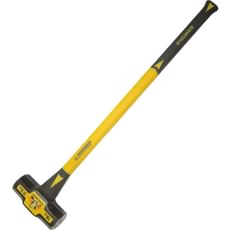
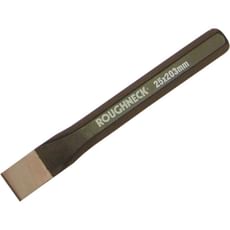
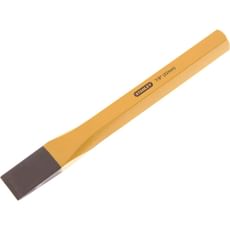
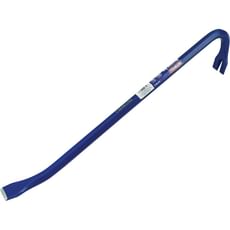
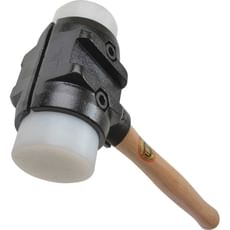
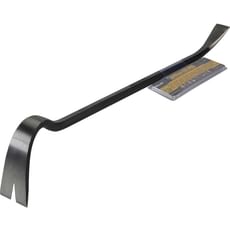
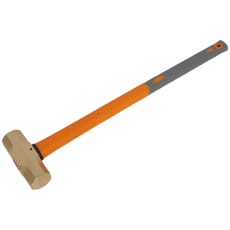
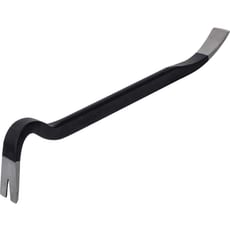
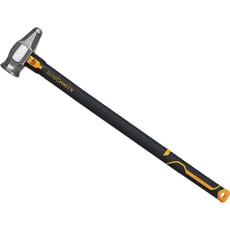
The demolition tools category at Tooled-Up.com encompasses a comprehensive range of specialist hand tools, each designed for specific destructive tasks. This includes pry bars and wrecking bars for leverage work, bolsters and cold chisels for precision breaking and cutting masonry, earth rammers for compacting ground after excavation, and an extensive selection of striking tools including lump hammers, club hammers, sledgehammers, mallets, and mauls. For lifting floor coverings and removing tacks, specialist tack lifters provide the precision needed without damaging underlying surfaces.
Quality demolition tools are engineered to withstand repeated impacts and extreme forces that would destroy ordinary implements. Professional-grade tools feature drop-forged construction from hardened steel and specialist alloys that resist deformation, chipping, and fracturing even under prolonged heavy use. Leading brands such as Stanley, Faithfull, Roughneck, and Bahco manufacture their demolition tools to rigorous UK and European standards, ensuring they meet the demanding requirements of professional construction sites, renovation projects, and building maintenance work across the country.
Jargon Buster
- Cold Chisel
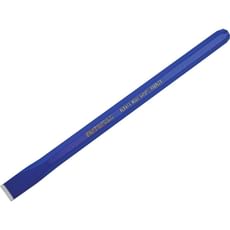
- A hardened steel chisel specifically designed for cutting or breaking cold metal, masonry, concrete, and brickwork. Unlike wood chisels, cold chisels have a flat, robust cutting edge and are struck with a lump hammer or club hammer. Available in various widths from 6mm to 25mm for different applications.
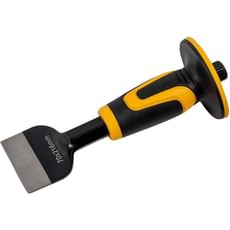
- Bolster Chisel
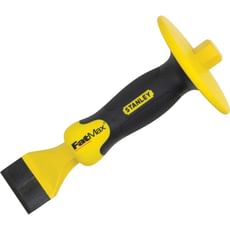
- A wide-bladed chisel, typically 50mm to 100mm wide, used for cutting bricks, blocks, paving slabs, and removing old mortar. The broad blade distributes striking force across a wider area, creating clean breaks in masonry materials.
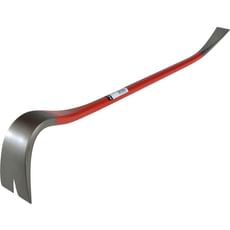
- Wrecking Bar (Crowbar)
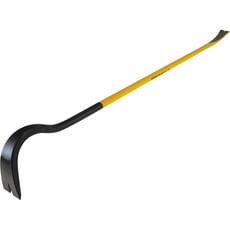
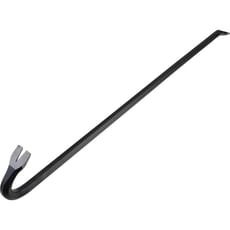
- A long lever tool with a curved claw at one or both ends, used for prying materials apart, nail removal, and leveraging heavy objects. Also known as a pinch bar, jimmy bar, or pry bar. Professional wrecking bars range from 600mm to 1800mm in length.
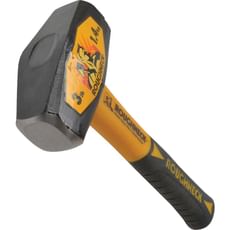
- Lump Hammer (Club Hammer)
- A short-handled, heavy striking tool weighing typically 1kg to 4kg (2lb to 8lb), designed specifically for driving chisels, bolsters, and general demolition work where controlled heavy strikes are needed. Essential for masonry work.
- Earth Rammer
- A heavy compacting tool with a flat steel base plate and vertical handles, used to compact soil, hardcore, sub-base materials, and post foundations. Ensures a solid, stable foundation after excavation or demolition work.
- Mushrooming
- The deformation that occurs on the struck end of chisels and punches after repeated heavy impacts, where the metal spreads outward like a mushroom cap. Mushroomed tools are dangerous as metal fragments can break off and cause injury, requiring regular grinding back to safe condition.
Who Uses Demolition Tools?
Demolition tools are essential equipment for a broad range of construction and maintenance professionals:
- Demolition Contractors - Specialists in structural dismantling, strip-outs, and site clearance work
- General Builders - For renovation projects, alterations, extensions, and refurbishment work
- Bricklayers - Removing old brickwork, cutting bricks to size, and raking out mortar joints
- Groundworkers - Breaking up concrete bases, compacting ground, and site preparation tasks
- Roofers - Removing old roof coverings, battens, tiles, and stripping chimneys
- Plumbers and Heating Engineers - Accessing pipework behind walls, floors, and removing old fixtures
- Electricians (Sparkies) - Chasing out walls for cable runs, back boxes, and consumer units
- Carpenters and Joiners (Chippies) - Removing old timber work, architraves, skirting, and flooring
- Property Maintenance Teams - General repair, refurbishment, and restoration projects
- Landscapers - Breaking up old paving, removing tree roots, and ground preparation
- DIY Enthusiasts - Home renovation, improvement projects, and garden landscaping
How to Choose the Right Demolition Tools
Material Type: Consider what you're demolishing. Masonry and concrete require heavy-duty cold chisels with lump hammers, whilst timber structures need pry bars and wrecking bars with nail-pulling capabilities. Metal work demands specialist cold chisels and cutting tools. Different materials require different tool characteristics in terms of hardness, weight distribution, and cutting edge geometry.
Tool Quality and Construction: Professional-grade demolition tools from established brands like Stanley, Roughneck, Faithfull, and Bahco feature drop-forged construction, heat-treated striking faces, and properly hardened cutting edges. These withstand repeated heavy impacts without deforming, chipping, or fracturing. Budget tools may mushroom dangerously, bend under load, or shatter, creating serious safety hazards and costing more in replacements than investing in quality initially.
Handle Design and Material: For striking tools, handle material significantly affects performance and comfort. Fibreglass handles offer exceptional durability, weather resistance, and excellent shock absorption, making them ideal for heavy professional use. Traditional hickory handles provide natural flexibility that reduces arm fatigue and offers a comfortable feel preferred by many tradespeople. Rubberised grips improve control and reduce vibration transmission during prolonged use.
Weight and Size Selection: Match tool weight to both the task requirements and duration. Heavy sledgehammers and mauls (3kg to 7kg) deliver maximum striking force for breaking concrete and heavy masonry but cause rapid fatigue. Lighter lump hammers (1kg to 2kg) offer better control for precision work with chisels. For leverage tools, longer wrecking bars provide greater mechanical advantage but require more working space—confined areas need compact tools.
Safety Features: Look for tools incorporating safety features such as hand guards on chisels and bolsters to protect fingers from mis-strikes, anti-slip grips on handles, and properly secured striking heads with steel or fibreglass wedges. Tools should comply with relevant British and European safety standards (BS EN standards) for professional use.
Versatility Requirements: Multi-purpose tools like combination wrecking bars with integrated nail pullers, pry points, and striking faces offer better value for occasional users and reduce the number of tools needed on site. Professional tradespeople typically prefer specialist tools optimised for specific tasks, providing better performance and longevity in their particular trade.
Popular Accessories
- Safety Goggles and Face Shields - Essential eye protection from flying debris, masonry fragments, and metal chips
- Heavy-Duty Work Gloves - Impact-resistant and abrasion-resistant gloves to protect hands from vibration injury and cuts
- Ear Defenders and Hearing Protection - Essential for prolonged hammering and striking work to prevent hearing damage
- Steel Toe Cap Boots - Foot protection from falling materials, dropped tools, and crushing injuries
- Dust Masks and Respirators - Protection from hazardous dust, particularly important when working with older buildings that may contain harmful materials
- Hard Hats - Head protection when working beneath overhead hazards or in multi-level demolition work
- Tool Bags and Belts - Organised storage and convenient carrying for multiple hand tools on site
- Rubble Sacks and Skip Bags - Heavy-duty waste collection for demolition debris and building materials
- Wedges and Shims - For controlled splitting and gradual separation work in timber and masonry
- Measuring and Marking Tools - Tape measures, spirit levels, and chalk lines for planned, controlled demolition work
- Replacement Handles - Spare hickory and fibreglass handles for hammers, mauls, and striking tools
- Bench Grinders - For maintaining sharp chisel edges and grinding back mushroomed striking faces
Safety Information
Demolition work presents significant hazards, and proper safety precautions are mandatory under HSE (Health and Safety Executive) regulations. Always conduct a thorough risk assessment before beginning any demolition work, identifying potential hazards including structural instability, services (electrical cables, gas pipes, water mains), hazardous materials like asbestos, and overhead or underground dangers.
Personal Protective Equipment (PPE): At minimum, wear safety goggles or a full face shield to protect against flying debris and fragments, heavy-duty work gloves to prevent cuts and abrasions, steel toe cap boots for foot protection, and a hard hat when working beneath overhead hazards. When dust is generated, use appropriate respiratory protection rated for the specific materials being demolished. In noisy environments, use ear defenders to prevent hearing damage—prolonged exposure to impact noise causes permanent hearing loss.
Tool Inspection and Maintenance: Before each use, thoroughly inspect demolition tools for damage or wear. Check for mushroomed striking faces on chisels and punches (which can splinter and cause serious injury), loose or cracked hammer heads, split or damaged handles, bent or deformed pry bars, and any signs of metal fatigue. Remove damaged tools from service immediately and either repair or replace them. Never use a tool for a purpose it wasn't designed for—improvisation causes accidents.
Work Area Safety: Ensure adequate working space and stable, level footing before beginning work. Secure or remove loose materials that could fall. When working above ground level, use appropriate access equipment such as scaffolding or mobile towers, never makeshift platforms. Be aware of other workers in the vicinity—flying debris from striking work can travel considerable distances and cause injury to bystanders.
Hazardous Materials: Buildings constructed before 2000 may contain asbestos in various forms including pipe lagging, ceiling tiles, floor tiles, roofing materials, and textured coatings. If you suspect asbestos presence, stop work immediately and arrange for professional testing and removal by licensed contractors. COSHH (Control of Substances Hazardous to Health) regulations require proper assessment and control of exposure to hazardous materials. Never attempt to remove suspected asbestos-containing materials yourself.
Structural Considerations: Never remove load-bearing elements including walls, beams, columns, or floor joists without proper structural assessment by a qualified structural engineer and installation of temporary support. Ensure adequate bracing, propping, and shoring is in place before demolition of any structural elements. Uncontrolled collapse can cause fatalities and serious injuries.
Frequently Asked Questions
What's the difference between a wrecking bar and a crowbar?
The terms are often used interchangeably in casual conversation, but technically a wrecking bar is longer (typically 600mm to 1800mm) and more heavy-duty, specifically designed for major demolition work and structural dismantling. A crowbar is generally shorter (300mm to 600mm) and lighter, suited for lighter prying work, nail removal, and general site tasks. Both feature curved claw ends for leverage, but professional wrecking bars often have additional features like integrated nail pullers, striking faces, and multiple pry points at different angles. For serious demolition work, invest in a proper heavy-duty wrecking bar from brands like Stanley, Roughneck, or Faithfull available at Tooled-Up.com.
Can I use a normal claw hammer with cold chisels and bolsters?
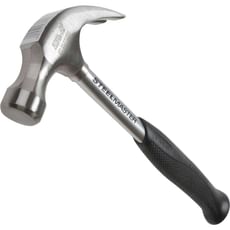
No, you should never use a standard claw hammer with cold chisels, bolsters, or any struck metal tools. Always use a lump hammer (club hammer) or ball pein hammer instead. Claw hammers have striking faces designed for driving nails, not for striking hardened steel chisel heads. Using the wrong hammer can cause the striking face to chip, crack, or shatter, creating dangerous flying metal fragments that can cause serious eye injuries or facial lacerations. A 2lb to 4lb (1kg to 2kg) lump hammer is ideal for most chisel work, providing sufficient striking force whilst maintaining control.
How do I prevent my chisel heads from mushrooming?
Mushrooming—where the struck end of a chisel spreads outward—is inevitable with regular use, but you can minimise it significantly by using quality hardened tools from reputable manufacturers, striking squarely and centrally rather than at angles, using the correct weight of hammer (not too heavy), and regularly grinding back the mushroomed material with a bench grinder before it becomes dangerous. Always wear safety goggles when using any chisel that shows signs of mushrooming, as the deformed metal can fragment and cause serious injury. Consider investing in chisels with integrated hand guards for additional protection.
Are fibreglass handles better than traditional wooden handles?
Both materials have distinct advantages depending on your requirements. Fibreglass handles are extremely durable, virtually unbreakable under normal use, completely weather-resistant, and provide excellent shock absorption that reduces arm strain and fatigue. They're ideal for professional daily use in all weather conditions and require minimal maintenance. Traditional hickory wooden handles offer natural flexibility and a comfortable, warm feel that many experienced tradespeople prefer, but they can break with misuse or if struck incorrectly, and they deteriorate if left in damp conditions or direct sunlight. For heavy daily professional use, fibreglass is generally more reliable and cost-effective long-term, whilst hickory suits lighter or occasional use where traditional feel is preferred.
What safety equipment do I legally need for demolition work?
Under HSE regulations and the Personal Protective Equipment at Work Regulations 1992, employers must provide appropriate PPE, and both employers and self-employed individuals must use it. Essential PPE for demolition work includes safety goggles or face shields (BS EN 166), heavy-duty work gloves (BS EN 388), steel toe cap boots (BS EN ISO 20345), and hard hats (BS EN 397) when working beneath overhead hazards. For dusty environments, you must wear appropriate respiratory protection rated for the specific materials—FFP3 masks for general dust, or higher-grade respirators for hazardous materials. Ear defenders (BS EN 352) are necessary for prolonged striking work exceeding 85dB. High-visibility clothing is required on commercial construction sites. Always comply with site-specific safety requirements and conduct proper risk assessments before starting work.