

Dent Pullers
Pay in 3 interest-free payments on purchases from £30-2000 with  . Learn more.
 Loading...
End of content
Error - No more pages to load
About Dent Pullers
Dent pullers are specialised automotive tools designed to remove dents, dings, and minor bodywork damage from vehicles without the need for costly respraying or traditional panel beating. These innovative tools have transformed how professional technicians and capable DIY enthusiasts approach minor collision damage, car park mishaps, and hail damage. Whether dealing with shallow door dings, larger panel dents, or stubborn creases, the right dent puller can restore vehicle bodywork to its original condition whilst preserving the factory paint finish—a technique known as paintless dent repair (PDR).
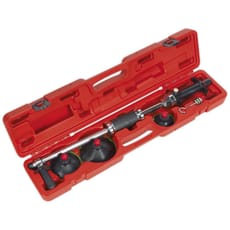
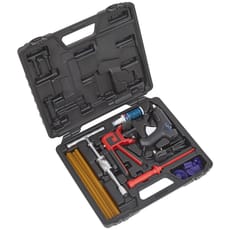
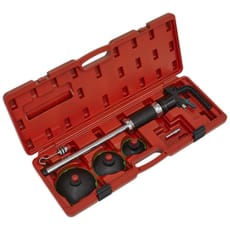
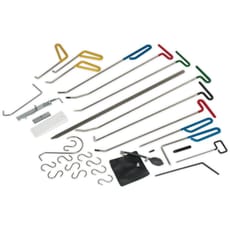
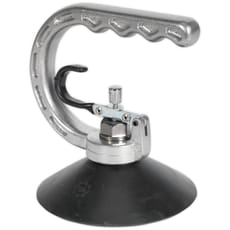
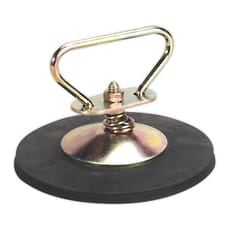
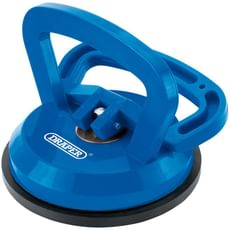
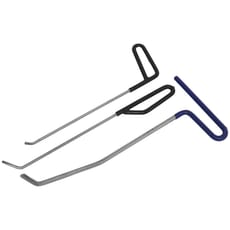
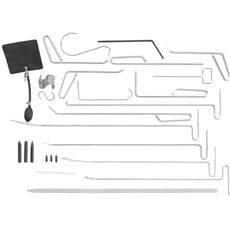
Modern dent pulling technology encompasses several distinct approaches, each suited to different damage types and skill levels. Suction dent pullers use powerful vacuum action to extract shallow, broad dents with smooth surfaces, making them ideal for quick repairs on bonnets, roofs, and door panels. More advanced glue-pulling systems use hot-melt adhesive applied to plastic or metal tabs, which are then pulled using slide hammers or bridge pullers to draw out deeper dents without damaging paintwork. Air-powered suction pullers offer the strongest pulling force for stubborn damage, whilst comprehensive PDR kits include everything from LED lighting to precision knockdown tools for professional-grade results.
Tooled-Up.com stocks trusted dent pulling solutions from leading manufacturers including Sealey, Draper, and Facom. From simple single-cup suction pullers perfect for occasional use to professional 34-piece PDR kits with all the accessories needed for complex repairs, the selection caters to both mobile technicians earning their living from bodywork restoration and home mechanics looking to tackle their own vehicle maintenance without the expense of a body shop visit.
Jargon Buster
- Paintless Dent Repair (PDR): A specialist technique for removing dents without damaging the original paintwork, using dedicated tools to massage or pull the metal back into shape from behind the panel or using glue-pulling methods from the surface.
- Glue Pulling: A PDR method where hot-melt adhesive is applied to plastic or metal tabs, which are then attached to the dent and pulled using a slide hammer or bridge puller. The glue is removed afterwards with isopropyl alcohol, leaving the paint intact.
- Slide Hammer: A weighted tool that slides along a shaft to create impact force, used with various attachments including dent pulling tabs to extract stubborn dents through repeated striking action.
- Bridge Puller: A frame that spans across the dented area, allowing controlled, gradual pulling force to be applied to glue tabs for precise dent removal without over-pulling or creating high spots.
- Knockdown Tools: Blunt-tipped rods and picks used in PDR to gently tap down high spots and refine the panel surface after the main dent has been pulled or pushed out.
- Line Board: A reflection board used during PDR work that creates visual patterns across the panel surface, making it easier to identify high and low spots and monitor repair progress.
Who Uses Dent Pullers?
- Mobile Dent Repair Technicians: Specialists who travel to customers offering on-site paintless dent repair services for insurance work, fleet maintenance, and private clients
- Vehicle Body Shops: Traditional panel beaters and collision repair centres using dent pullers as part of their comprehensive bodywork restoration services
- Car Dealerships: Used car forecourts and preparation centres removing minor dents from stock vehicles to improve presentation and resale value
- Fleet Maintenance Departments: Commercial vehicle operators maintaining company cars, vans, and lorries cost-effectively without lengthy downtime for repairs
- Classic Car Restorers: Enthusiasts working on vintage vehicles where preserving original paintwork is paramount to maintaining authenticity and value
- Motor Trade Professionals: Mechanics and service technicians offering added-value dent removal services to customers alongside routine maintenance
- Caravan and Motorhome Owners: Leisure vehicle enthusiasts tackling the inevitable dings and dents that occur during touring and site work
- DIY Enthusiasts: Capable home mechanics looking to save money on professional repairs and maintain their own vehicles to a high standard
How to Choose the Right Dent Pullers
Type of Damage: Consider the size, depth, and location of dents you'll typically encounter. Simple suction pullers work well for shallow dents with smooth access, whilst comprehensive PDR kits are necessary for deeper dents, creases, or areas requiring access from behind panels. If dealing with varied damage types professionally, invest in a complete kit with multiple pulling methods including glue systems, slide hammers, and knockdown tools.
Frequency of Use: Occasional users removing the odd car park ding can achieve good results with a basic suction dent puller or entry-level glue pulling kit. Professional technicians earning their living from dent repair should invest in professional-grade PDR kits with durable tools, comprehensive accessories, and organised storage cases that withstand daily use on multiple vehicles.
Skill Level: Beginners should start with suction-based pullers that require minimal technique and offer less risk of paint damage. As confidence grows, progress to glue-pulling systems which offer more control over force application. Full PDR kits with knockdown tools and access rods require significant practice to master but deliver professional results on complex dents and body lines.
Power Source: Manual suction pullers and glue systems require no power source, making them portable and simple to use anywhere. Air-powered suction pullers need a compressor but deliver significantly stronger pulling force for stubborn dents. Hot glue gun kits require mains electricity (240v) unless you opt for cordless models with rechargeable batteries for mobile working without access to power supplies.
Kit Completeness: Entry-level individual tools suit specific tasks, but comprehensive kits offer better value for regular use. Look for sets including multiple pulling tabs in various sizes, knockdown tools, LED lighting for inspecting repair progress, glue sticks, cleaning solutions, and a robust storage case to keep everything organised and protected between jobs.
Brand Reputation: Browse the selection at Tooled-Up.com from established brands like Sealey, Draper, and Facom with proven track records in professional automotive tools. Their dent pullers benefit from quality materials, precise manufacturing, and reliable performance that withstands the rigours of daily commercial use.
Popular Accessories
- Hot Glue Sticks: Replacement adhesive supplies specifically formulated for PDR work, designed to bond strongly but release cleanly without damaging paintwork
- Isopropyl Alcohol: Cleaning solution for removing glue residue after repairs and preparing surfaces before applying pulling tabs
- LED Work Lights: Specialised lighting that creates shadow patterns across panels, making it easier to identify high and low spots during the repair process
- Microfibre Cloths: Lint-free cleaning cloths for preparing surfaces and removing residues without scratching delicate paintwork
- Reflection Boards: Line boards that help visualise panel distortions and monitor repair progress by reflecting patterns across the work surface
- Protective Covers: Magnetic or adhesive panel protectors preventing accidental tool damage to surrounding bodywork during repairs
- Tool Storage Cases: Organised carrying solutions protecting valuable PDR tools during transport to mobile repair jobs
- Panel Beating Tools: Complementary equipment including dollies, hammers, and shrinking tools for repairs requiring traditional metalworking techniques
- Air Compressors: Required for air-powered suction pullers, typically needing 6-8 bar pressure for optimal performance
Safety Information
Eye Protection: Always wear safety glasses when using dent pullers, particularly slide hammers and impact-based tools. The sudden release of tension or breakage of glue tabs can cause components to fly towards your face at speed, presenting a serious injury risk.
Heat Safety: Hot glue guns reach temperatures sufficient to cause serious burns. Never touch the nozzle or freshly applied glue, allow adequate cooling time, and always place the gun on its stand when not in use. Ensure your work area has adequate ventilation when using hot glue systems, particularly in enclosed workshops.
Paint Damage Prevention: Test your technique on inconspicuous areas or scrap panels before attempting repairs on visible bodywork. Excessive force or incorrect tool use can stretch metal beyond repair, crack paint, or create high spots requiring professional rectification. Work gradually and assess progress frequently.
Compressed Air Safety: When using air-powered suction pullers, ensure your compressor delivers the correct pressure (typically 6-8 bar) and check all connections for leaks. Never exceed the manufacturer's recommended air pressure, as this can cause equipment failure or uncontrolled release of the suction cup.
Electrical Safety: Hot glue guns and LED lighting must be used with properly earthed 240v supplies. Inspect power cables regularly for damage, particularly if working in professional environments where leads may be frequently moved or coiled. For mobile working, use RCD-protected supplies or battery-powered alternatives to comply with HSE guidance for outdoor electrical equipment use.
Frequently Asked Questions
Can I remove dents from any part of my vehicle using these tools?
Most smooth panel areas including doors, bonnets, boots, and roofs respond well to dent pulling techniques. However, dents on sharp body lines, panel edges, or heavily braced areas may be difficult or impossible to repair without traditional panel beating. Very deep dents, those with cracked or chipped paint, and damage to plastic bumpers typically require different repair approaches. Areas with double-skinned panels may also prove challenging for suction-based methods.
Will using a dent puller damage my car's paintwork?
When used correctly, suction pullers and glue-pulling systems are designed specifically to preserve factory paintwork during repairs. The key is using appropriate force and technique—pulling gradually rather than yanking, ensuring surfaces are clean before applying suction or glue tabs, and stopping if you feel significant resistance. PDR methods are routinely used by professionals to maintain vehicle values by preserving original paint, making them ideal for leased vehicles and modern cars where paint colour matching can be problematic.
What's the difference between a basic suction puller and a professional PDR kit?
Basic suction pullers work well for shallow, smooth dents but offer limited control and pulling power. Professional PDR kits include multiple removal methods—glue pulling, access tools, knockdown implements—allowing technicians to tackle varied damage types, work from behind panels where necessary, and precisely refine the repair. For occasional home use, a suction puller or simple glue kit suffices, but professionals need comprehensive toolsets to handle diverse customer requirements and justify mobile callout charges.
How long does it take to learn paintless dent repair techniques?
Basic suction pulling can be learned in minutes, with good results achievable on simple dents immediately. Glue-pulling systems require practice to master correct tab placement, pulling force, and finishing techniques—expect several attempts before achieving professional-looking results. Full PDR using access tools and knockdown techniques represents a skilled trade requiring months of practice and ideally professional training to develop the sensitivity and technique needed for complex repairs without over-working panels.
Do I need a compressor to use dent pullers?
Most dent pulling tools available from Tooled-Up are manual or electrically powered and work without compressed air. Standard suction pullers create vacuum through manual pumping or lever action, whilst glue-pulling systems rely on mechanical slide hammers or bridge pullers. Only specialist air suction pullers require a compressor, offering enhanced pulling power for professional applications but adding equipment cost and reducing portability for mobile technicians working at customer locations.