
Die Grinding Stones

Pay in 3 interest-free payments on purchases from £20-£3000 with  . Learn more.
Loading...
End of content
Error - No more pages to load
About Die Grinding Stones
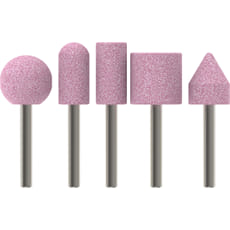
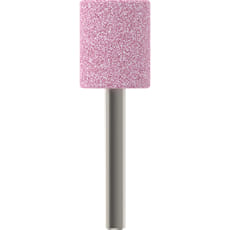
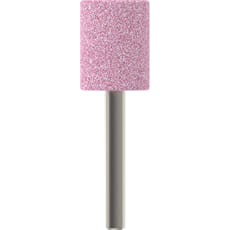
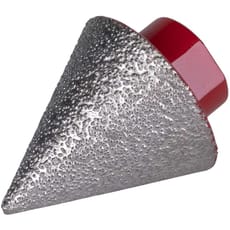
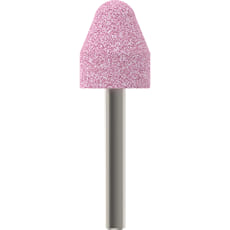
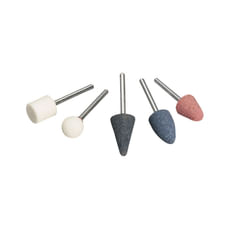
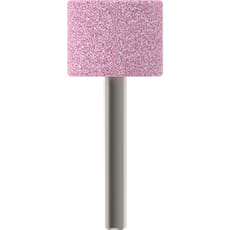
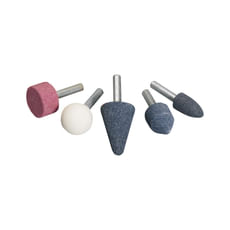
Die grinding stones are precision abrasive accessories designed for detailed grinding, deburring, smoothing, and finishing work in confined spaces where standard grinding wheels cannot reach. These compact mounted points consist of bonded abrasive materials—typically aluminium oxide or silicon carbide—formed into various profiles and permanently mounted on shanks of 3mm or 6mm diameter. Available in cylindrical, tapered, spherical, conical, and tree-shaped configurations, die grinding stones attach securely to die grinders, rotary tools, and air-powered grinders, enabling tradespeople to tackle intricate metalworking tasks with precision and control.
The versatility of these grinding accessories makes them essential across automotive repair, fabrication, toolmaking, and engineering applications. Whether cleaning weld spatter, removing casting flash, smoothing intricate contours, or preparing surfaces for finishing treatments, die grinding stones deliver controlled material removal on everything from hardened steel components to delicate detail work. Tooled-Up.com stocks professional-grade sets and individual stones from trusted manufacturers including Bosch Professional, Draper, Sealey, and Stanley, providing tradespeople with comprehensive solutions for virtually any precision grinding requirement.
Engineered to withstand the demanding rotational speeds of pneumatic and 240v electric die grinders—typically operating between 15,000 and 25,000 RPM—modern die grinding stones feature robust bonded abrasive construction that ensures consistent performance throughout their working life. The range of available grit sizes allows users to select appropriate aggression levels, from rapid stock removal with coarse grits to fine finishing work with higher grit numbers, making these accessories indispensable for professionals requiring both power and precision.
Jargon Buster
- Grit Size – The measurement of abrasive particle size within the grinding stone. Lower numbers (coarse grit, 36-60) remove material aggressively, whilst higher numbers (fine grit, 120-240) provide smoother finishes with less aggressive cutting action.
- Shank Diameter – The diameter of the cylindrical mounting shaft that fits into your die grinder's collet. Common UK sizes are 3mm and 6mm, with 6mm being most prevalent for professional applications.
- Bonded Abrasive – Abrasive particles (aluminium oxide or silicon carbide) held together with a binding agent to form a solid grinding stone. The bond strength determines durability and cutting characteristics.
- Maximum Operating Speed – The highest safe rotational speed (measured in RPM) at which a grinding stone can be used. Exceeding this speed risks catastrophic stone breakage and serious injury.
- Stone Profile – The shape of the grinding stone, such as cylindrical (parallel sides), tapered (cone-shaped), ball (spherical end), or tree-shaped. Each profile suits different applications and access requirements.
- Mounted Point – Another term for die grinding stones, referring to abrasive stones permanently mounted on a shank, ready for immediate use without additional assembly.
Who Uses Die Grinding Stones?
Die grinding stones are utilised across numerous trades and industries:
- Fabricators and Welders – for cleaning weld spatter, smoothing seams, and preparing joints
- Motor Mechanics and Auto Body Technicians – for removing rust, smoothing repair areas, and accessing confined engine bay locations
- Tool and Die Makers – for precision shaping and finishing of moulds, dies, and tooling components
- Engineers and Machinists – for deburring machined parts and finishing intricate components
- General Metalworkers – for various grinding, smoothing, and material removal tasks
- Maintenance Engineers – for repair work, component refurbishment, and equipment servicing
- Pattern Makers and Model Makers – for detailed shaping and finishing work
- Agricultural Engineers – for equipment repair and modification in farm workshops
- DIY Enthusiasts – for home workshop projects involving metalwork and restoration
How to Choose the Right Die Grinding Stones
Shank Compatibility: Verify your die grinder's collet size before purchasing. Most professional die grinders accept 6mm shanks, whilst smaller hobby tools often use 3mm. Ensure your chosen stones match your equipment's specifications to prevent dangerous slippage during operation.
Stone Profile Selection: Match the stone shape to your application. Cylindrical stones excel at flat surfaces and internal grinding, whilst tapered and tree-shaped profiles access tight corners and recesses effectively. Ball-ended stones suit concave surfaces and intricate contours. Multi-piece sets from Bosch Professional, Draper, or Stanley provide comprehensive profile coverage for varied situations.
Abrasive Material: Aluminium oxide stones suit general-purpose work on ferrous metals and steel, offering excellent durability and cutting performance. Silicon carbide stones are preferable for harder materials, non-ferrous metals like aluminium and brass, and stone work, providing sharper cutting action.
Grit Selection: Coarse grits (36-60) remove material rapidly but leave rougher finishes, ideal for initial shaping and heavy stock removal. Medium grits (80-120) balance material removal with surface quality for general grinding. Fine grits (150-240) produce smooth finishes for final preparation before polishing or coating.
Operating Speed Rating: Always verify the maximum safe operating speed marked on stones or packaging, ensuring it exceeds your grinder's RPM rating. Using stones at excessive speeds risks catastrophic failure and serious injury.
Quality Considerations: Professional-grade stones from established manufacturers like Bosch Professional, Sealey, and Stanley typically offer superior bonding, more consistent performance, and longer service life compared to budget alternatives, representing better value for regular professional use.
Popular Accessories
- Die Grinders – pneumatic or 240v electric rotary tools to power your grinding stones
- Collet Sets – to accommodate different shank diameters in your grinder
- Polishing Compounds – for achieving mirror finishes after grinding operations
- Rubber Backing Pads – for flexible sanding and finishing applications
- Carbide Burrs – for more aggressive material removal before fine grinding
- Wire Brushes (Mounted) – for cleaning and surface preparation work
- Flap Wheels – for finishing and blending ground surfaces
- Compressed Air Regulators – for controlling pneumatic die grinder speed
- Quick-Change Adapters – for rapid switching between different grinding accessories
Safety Information
Personal Protective Equipment: Always wear appropriate safety glasses or a face shield to protect against flying debris and stone fragments. Use hearing protection when operating die grinders for extended periods, as they generate significant noise levels. Wear suitable work gloves that fit snugly to prevent catching in rotating components.
Speed Compliance: Never exceed the maximum operating speed marked on grinding stones. Using stones beyond their rated speed can cause disintegration, resulting in serious injury. Ensure your die grinder's speed is appropriate for the stones you're using.
Pre-Use Inspection: Before mounting, examine each grinding stone for cracks, chips, or damage. Damaged stones must be discarded immediately. After mounting but before applying to work, run the grinder at operating speed for approximately 30 seconds whilst pointing it in a safe direction to verify secure mounting and balance.
Secure Workpiece: Always secure your workpiece firmly in a vice or clamp before grinding. Never attempt to hold small items by hand whilst grinding them, as loss of control can lead to serious injury.
Dust Control: Grinding generates dust and particulates that may be hazardous when inhaled. Work in well-ventilated areas and consider wearing appropriate respiratory protection, particularly when grinding materials that produce toxic dust. Follow HSE guidance regarding workplace exposure limits and COSHH assessments for your specific materials.
Correct Grinding Technique: Apply moderate, consistent pressure and avoid forcing the stone, which risks breakage. Allow the abrasive to cut at its designed rate, and avoid grinding on side faces of stones unless specifically designed for such use.
Frequently Asked Questions
What's the difference between aluminium oxide and silicon carbide grinding stones?
Aluminium oxide stones are the most common choice for grinding ferrous metals, steel, and general-purpose applications, offering excellent durability and cost-effectiveness. Silicon carbide stones are harder and sharper, making them more suitable for non-ferrous metals (aluminium, brass, copper), extremely hard materials, and stone or glass work. For most metalworking tasks in workshops and on site, aluminium oxide stones from brands available at Tooled-Up provide the best all-round performance.
Can I use die grinding stones with any rotary tool?
Whilst die grinding stones can physically fit many rotary tools with appropriate collets, you must ensure the tool's maximum speed doesn't exceed the stone's rated operating speed. Many hobby rotary tools operate at 25,000-35,000 RPM, which may exceed the safe speed for some grinding stones designed for slower die grinders (15,000-20,000 RPM). Always check compatibility before use to prevent dangerous stone failure.
How long do die grinding stones typically last?
Stone longevity varies considerably based on material being ground, grinding pressure applied, grit size, and stone quality. Coarse grit stones removing substantial material wear faster than fine grit stones used for light finishing. Professional-grade stones from manufacturers like Bosch Professional generally outlast budget alternatives. As a stone wears down, its effective working diameter reduces; replace stones when they become too small to work effectively or when worn to approximately half their original size.
Do I need different stones for different metals?
Whilst aluminium oxide stones work adequately across most common metals, optimal results come from matching stone composition to material. Use aluminium oxide for steel, iron, and ferrous alloys. Silicon carbide stones perform better on aluminium, brass, copper, and other non-ferrous metals, as well as harder materials. For occasional users working with varied materials, a general-purpose aluminium oxide set handles most tasks acceptably. Professional metalworkers benefit from maintaining separate stone types for different material categories.
What grit size should I choose for removing weld spatter?
For removing weld spatter and cleaning weld seams, start with a medium grit stone (60-80 grit) which balances material removal speed with reasonable surface finish. This provides sufficient aggression to remove spatter efficiently without excessively gouging the base metal. Follow with a finer grit (120-150) if a smoother finish is required before painting or further treatment. Coarser grits (36-40) work for heavy slag removal but require more finishing work afterwards.