

Diesel Engine Tools

Pay in 3 interest-free payments on purchases from £20-£3000 with  . Learn more.

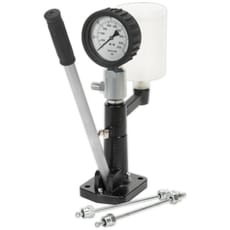
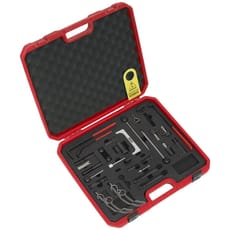
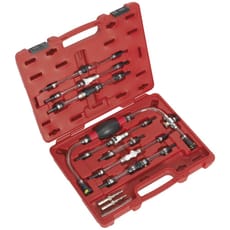
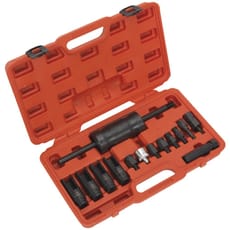
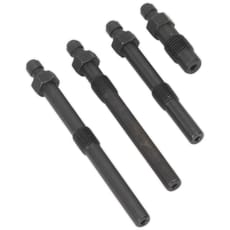
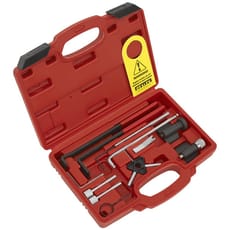
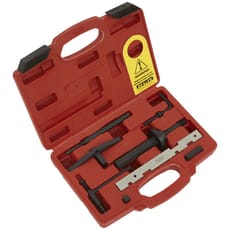
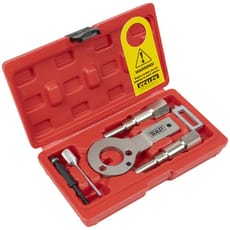
 Loading...
End of content
Error - No more pages to load
About Diesel Engine Tools
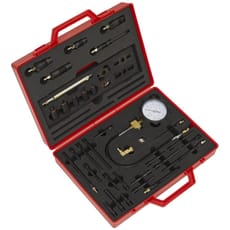
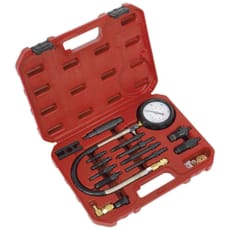
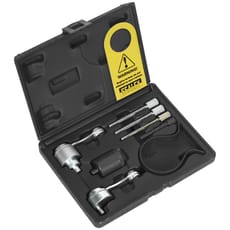
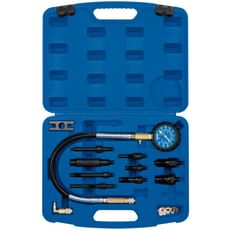
Diesel engine tools are specialist equipment designed for the maintenance, diagnosis, and repair of diesel-powered vehicles and machinery. This comprehensive category encompasses everything from compression testing kits and injector pullers to glow plug removal tools and fuel system service equipment. Whether you're working on light commercial vehicles, heavy goods vehicles, agricultural machinery, or marine diesel engines, having the right specialist tools is essential for efficient and accurate diagnostics and repairs.
Modern diesel engines require precise servicing techniques due to their high-pressure fuel injection systems, complex turbocharging arrangements, and sophisticated emission control systems. The range available from Tooled-Up.com includes professional-grade tools from trusted manufacturers like Sealey and Draper, offering both universal fitments and vehicle-specific solutions for popular makes including Ford, Mazda, PSA group vehicles, and commercial vehicle applications. From diesel compression testers that help diagnose engine health to injector seat cutters that ensure proper fuel delivery, these tools enable mechanics and technicians to perform thorough diesel engine servicing to manufacturer standards.
The category features dedicated tool kits for common diesel service tasks alongside individual specialist tools for more specific applications. Many of these diesel engine tools are designed to work with the latest common rail diesel technology, whilst also providing solutions for older indirect injection systems. Quality diesel tools save time on labour-intensive jobs, prevent damage to expensive components, and ensure repairs meet the exacting tolerances required by modern diesel fuel systems.
Jargon Buster
- Common Rail Injection
- A modern diesel fuel injection system where fuel is stored at high pressure in a common rail and electronically injected into each cylinder. Requires specialist diagnostic and service tools.
- Glow Plug
- A heating element fitted to diesel engines that pre-heats the combustion chamber to aid cold starting. These can seize and require specialist extraction tools when replacement is needed.
- Compression Test
- A diagnostic procedure measuring cylinder pressure to assess engine health. Diesel engines typically operate at much higher compression ratios (18:1 to 23:1) than petrol engines, requiring dedicated diesel compression testers.
- Injector Seat
- The precision-machined surface in the cylinder head where the fuel injector sits. Damaged seats can cause poor sealing and must be re-cut using specialist cutting tools.
- DPF (Diesel Particulate Filter)
- An exhaust after-treatment device that captures soot particles. Servicing often requires specialist tools for removal and diagnostic equipment.
- Auxiliary Belt
- The serpentine belt driving ancillary components like alternator, power steering, and air conditioning. Diesel engines often have specific tensioner tools required for belt replacement.
Who Uses Diesel Engine Tools?
- Motor mechanics and automotive technicians working in independent garages and franchised dealerships servicing diesel cars and light commercial vehicles
- HGV and commercial vehicle technicians maintaining fleets of lorries, buses, and heavy goods vehicles with diesel powertrains
- Agricultural engineers servicing tractors, combine harvesters, and other farm machinery predominantly powered by diesel engines
- Plant fitters and construction equipment mechanics maintaining excavators, telehandlers, and site machinery
- Marine engineers working on diesel-powered boats, narrowboats, and commercial vessels
- Mobile mechanics offering on-site diesel engine diagnostics and repair services
- Fleet maintenance teams responsible for keeping commercial vehicle fleets operational and compliant
- Serious DIY enthusiasts who maintain their own diesel vehicles and want professional-quality tools
How to Choose the Right Diesel Engine Tools
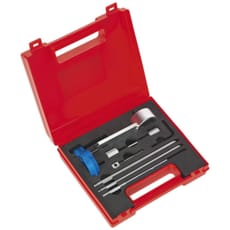
Selecting appropriate diesel engine tools depends on several key factors. First, consider the vehicle types you'll be working on most frequently. Universal tool kits offer versatility across multiple manufacturers, whilst vehicle-specific tools like Ford Transit fuel filter spanners or PSA timing tools provide the exact fitment required for particular models. If you specialise in certain marques, investing in manufacturer-specific tool sets will prove more cost-effective than buying universal alternatives.
The quality and build standard of diesel tools is crucial, as these often work with extremely high pressures and tight tolerances. Professional-grade tools from established brands like Sealey and Draper Expert ranges are manufactured to withstand regular workshop use and provide accurate, repeatable results. Look for tools manufactured to relevant BS/EN standards, with proper calibration marks and robust carrying cases for organised storage.
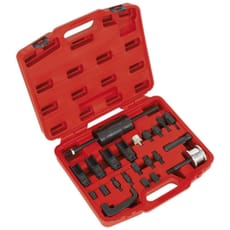
Consider the completeness of tool kits versus individual purchases. Comprehensive diesel compression test kits or injector service sets include all necessary adaptors and fittings for multiple applications, offering better value than accumulating individual pieces. However, if you frequently perform specific tasks like glow plug removal on seized plugs, dedicated extraction tools may justify their individual cost through time savings.
Check the pressure ratings and capacity of diagnostic equipment. Diesel compression testers must handle significantly higher pressures than petrol equivalents, whilst fuel system test equipment needs to safely manage modern common rail pressures exceeding 2,000 bar. Ensure any priming pumps or flow test kits are suitable for the fuel system types you'll encounter.
Finally, assess the storage and portability requirements. Mobile mechanics need compact, well-organised tool kits, whilst fixed workshops can accommodate larger comprehensive sets. Blow-moulded cases protect tools during transport and keep adaptors organised, preventing lost components that render entire kits unusable.
Popular Accessories
- Diesel fuel system cleaner and additives for flushing contaminated systems
- Copper slip and anti-seize compounds for glow plug installation
- Injector seal and washer sets for various vehicle applications
- Thread repair kits for damaged glow plug holes
- Fuel line disconnect tools for quick-release fittings
- Diagnostic code readers compatible with diesel engine management systems
- Oil filter wrenches and drain plug keys
- Fuel draining equipment and containers
- Parts washing tanks and brake cleaner for component cleaning
- Tool storage solutions including DeWalt TSTAK and other modular systems
Safety Information
Working with diesel engine tools involves several important safety considerations. Modern diesel fuel injection systems operate at extremely high pressures – common rail systems can exceed 2,000 bar (29,000 psi) – capable of penetrating skin and causing serious injury. Never attempt to check for fuel leaks with your hands; always depressurise fuel systems following manufacturer procedures before disconnecting components, and wear appropriate eye protection when working around pressurised diesel fuel systems.
Diesel fuel is flammable and should be handled in well-ventilated areas away from ignition sources. Ensure adequate workshop ventilation when running diesel engines indoors, as exhaust fumes contain harmful carbon monoxide and nitrogen oxides. Follow COSHH regulations when handling diesel fuel, used engine oil, and cleaning solvents – maintain appropriate PPE including nitrile gloves resistant to petroleum products.
When removing seized glow plugs or working on cylinder heads, there's risk of damaging threads or breaking components. Always use the correct tool for the specific application and follow proper extraction procedures. Fragmented glow plugs or metal swarf entering the combustion chamber can cause catastrophic engine damage, so work carefully and use magnetic retrieval tools where appropriate.
Compression testing requires the engine to be cranked whilst test equipment is fitted. Ensure the vehicle is in neutral (or park for automatics), the handbrake is applied, and nobody is standing in front of the vehicle. Disconnect the fuel supply as per manufacturer instructions to prevent the engine attempting to start during compression testing, and always follow HSE guidelines for workshop safety.
Frequently Asked Questions
What's the difference between diesel and petrol compression testers?
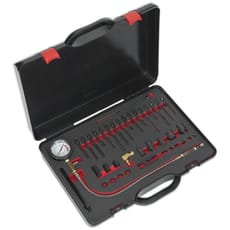
Diesel compression testers are built to withstand much higher pressures than petrol equivalents, as diesel engines operate with compression ratios of 18:1 to 23:1 compared to petrol's 10:1 to 13:1. A typical diesel compression reading might be 25-35 bar, whilst petrol engines produce 10-15 bar. Using a petrol compression tester on a diesel engine risks damaging the gauge and obtaining inaccurate readings. Always use dedicated diesel compression testing equipment with appropriate pressure ratings.
Do I need vehicle-specific diesel tools or will universal tools work?
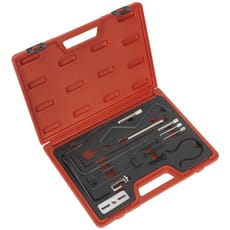
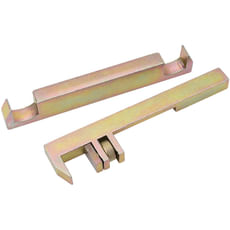
This depends on the tasks you're performing. Many diesel service operations like compression testing and basic injector work can be handled with universal tool kits that include multiple adaptors. However, certain jobs absolutely require manufacturer-specific tools – for example, auxiliary belt tensioner tools for Ford and PSA engines, or timing lock tools for specific diesel engine families. Browse the selection at Tooled-Up.com to find both universal and vehicle-specific options suited to your requirements.
How do I safely remove a seized glow plug?
Seized glow plugs are a common issue on diesel engines. Start by applying penetrating fluid and allowing it to soak, ideally overnight. Use a proper deep socket specifically designed for glow plugs – standard sockets can round off the hexagon. Apply steady, controlled force without jerking. If the plug won't budge, specialised glow plug removal tool kits use gripping mechanisms to extract broken plugs. For severely seized plugs, consider using a glow plug removal service tool that carefully drills out the plug whilst protecting the cylinder head threads. Never force a seized glow plug as snapping it off necessitates expensive thread repair or cylinder head removal.
What causes diesel injector seats to become damaged?
Injector seat damage typically results from combustion gases escaping past worn or incorrectly fitted injector seals, causing erosion and pitting of the precision seating surface. Over-tightening injectors can also distort seats. Carbon build-up from prolonged use creates uneven surfaces. When replacing injectors, always inspect seats carefully – pitting or erosion prevents proper sealing of new injectors, leading to poor running, black smoke, and further damage. Injector seat cutter sets machine the seat back to a perfect sealing surface, restoring proper injector fitment without expensive cylinder head replacement.
Are diesel engine tools covered by calibration requirements?
Whilst most diesel hand tools don't require formal calibration, diagnostic equipment like compression testers and injector flow test kits should be periodically checked for accuracy. Professional workshops, particularly those working to franchise standards or seeking accreditation, may need calibration certificates for certain diagnostic equipment. Even without formal requirements, it's good practice to periodically verify compression tester accuracy against a known standard. Quality manufacturers like Sealey and Draper provide equipment built to maintain accuracy through regular use, but any gauge subjected to over-pressure or impact should be checked before further use.