

Digging Bars

Pay in 3 interest-free payments on purchases from £20-£3000 with  . Learn more.
 Loading...
End of content
Error - No more pages to load
About Digging Bars
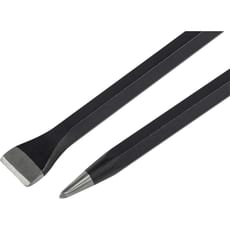
Digging bars are indispensable heavy-duty hand tools engineered for breaking through compacted soil, clay, rocky terrain, and hardened surfaces where conventional spades and shovels prove ineffective. Also referred to as breaker bars, crowbars, or pry bars, these robust steel implements feature extended shafts with specialised working ends—typically chisel points, wedge configurations, or tamper heads—enabling professional tradespeople and landscapers to conquer the most challenging ground conditions. Whether setting fence posts, breaking up concrete slabs, extracting tree stumps, or preparing foundation trenches, a quality digging bar delivers the leverage and durability essential for demanding site work.
The selection available from Tooled-Up.com encompasses digging bars from respected manufacturers including Roughneck, Faithfull, Draper, and Spear & Jackson, offering diverse lengths and configurations tailored to specific applications. Browse chisel point digging bars for precise breaking and prying operations, bent chisel designs that provide enhanced leverage, slate bars suited to roofing applications, telegraph digger bars for telecommunications and utility installation, and versatile combination tools featuring both chisel and tamper ends. Manufactured from hardened and tempered steel, these professional-grade implements are built to endure years of intensive groundwork, representing excellent value for fencing contractors, groundworkers, and dedicated DIY enthusiasts.
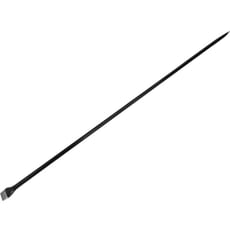
Typically ranging from 1.2 metres to 1.8 metres in length, digging bars deliver the mechanical advantage necessary to penetrate stubborn ground conditions. This extended reach not only multiplies applied force but maintains safe working distance from the breaking point, minimising injury risk from flying debris. Many models incorporate practical design features such as octagonal shafts that prevent rolling when laid down, whilst others include ergonomic hand grips or protective elements to enhance comfort during prolonged use.
Jargon Buster
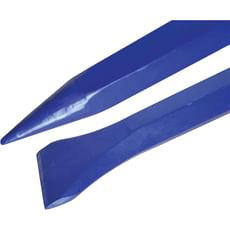
- Chisel Point: A flat, bevelled working end designed for breaking through compacted ground, concrete, and hardened materials. The chisel point concentrates force into a narrow cutting edge for maximum penetration power.
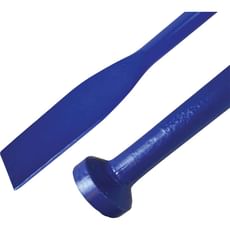
- Tamper Head: A broad, flat end used for compacting soil, gravel, or backfill material following excavation. Frequently found on combination tools alongside chisel points for versatile functionality across digging and finishing operations.
- Bent Chisel Design: A digging bar featuring an angled or offset chisel end that delivers improved leverage and allows more comfortable working angles when prying or breaking ground, reducing operator fatigue.
- Telegraph Bar: A specialised digging bar traditionally employed by telecommunications engineers for installing telegraph poles, featuring specific dimensions and weight characteristics suited to utility work and post hole creation.
- Hardened and Tempered Steel: A heat treatment process that significantly increases steel strength and durability, making the tool resistant to bending, chipping, or breaking under heavy-duty site use.
- Octagonal Shaft: An eight-sided shaft profile that prevents the bar from rolling when placed on sloped ground, improving site safety and convenience during groundwork operations.
Who Uses Digging Bars?
Digging bars are essential tools across numerous trades and applications:
- Fencing Contractors: Breaking ground and setting fence posts in difficult soil conditions, particularly in clay or rocky terrain
- Landscapers and Groundworkers: Removing tree stumps, breaking compacted soil, and preparing ground for planting or landscaping features
- Builders and Construction Workers: Breaking concrete, removing old foundations, and general demolition work on building sites
- Utility Workers: Installing telegraph poles, street furniture, and underground service infrastructure
- Agricultural Workers: Post hole digging, drainage work, and breaking hardened ground in fields and farmyards
- Roofers: Using slate bars for tile removal and installation work on traditional roofing projects
- Civil Engineers: Site preparation, foundation work, and ground investigation activities
- DIY Enthusiasts: Garden projects, fence installation, and home improvement tasks requiring ground breaking capabilities
How to Choose the Right Digging Bars
Length and Weight: Standard digging bars span 1.2m to 1.8m in length. Longer bars provide greater leverage for heavy-duty breaking work but demand more manoeuvring space. Consider your typical working environment and required force application. Heavier bars (5-8kg) excel at breaking concrete and very hard ground, whilst lighter models offer superior control for precision tasks.
End Configuration: Chisel point bars are ideal for breaking and prying, whilst combination tools with both chisel and tamper ends offer versatility for digging and backfilling in a single implement. Bent chisel designs provide improved leverage and ergonomics. Assess whether specialist tools like slate bars or telegraph digger bars suit your specific applications.
Build Quality and Material: Seek bars manufactured from hardened and tempered steel, which delivers superior durability and resistance to deformation. Brands like Roughneck, Faithfull, and Draper are renowned for producing professional-grade tools that withstand demanding site conditions. Verify quality finishes such as painted or powder-coated surfaces that resist corrosion in outdoor environments.
Shaft Design: Octagonal or hexagonal shafts prevent rolling when placed on sloped ground—a valuable safety feature on construction sites. Some models feature ribbed or textured grips near the top for enhanced handling comfort during extended use, reducing hand fatigue and improving control.
Application Specificity: Match the tool to your primary requirements. Fencing contractors benefit from longer bars with chisel and tamper combinations, whilst groundworkers might prefer versatile chisel point designs. Roofing professionals should select purpose-designed slate bars for traditional roofing work.
Popular Accessories
Enhance your digging bar's effectiveness and longevity with these complementary products available at Tooled-Up:
- Work Gloves: Heavy-duty leather or synthetic gloves protect hands from blisters and impacts during extended ground-breaking operations
- Safety Boots: Steel toe-capped boots are essential when working with heavy digging bars to prevent serious foot injuries
- Post Hole Diggers: Complement your digging bar for efficient fence post installation and precision hole creation
- Mattocks and Pickaxes: Additional ground-breaking tools for tackling varying soil conditions and breaking tasks
- Spades and Shovels: Essential for removing loosened material after breaking ground with your digging bar
- Spirit Levels: Ensure posts and installations achieve perfectly vertical alignment
- Wheelbarrows: Transport excavated material and equipment efficiently around site
- Tool Storage Solutions: Protect your investment with proper storage from brands like Stanley FatMax and DeWalt TSTAK
- High-Visibility Workwear: Essential PPE from Snickers, DeWalt, or Portwest for safe site working
Safety Information
Digging bars are powerful implements demanding respect and proper handling. Always wear appropriate personal protective equipment including safety boots with steel toe caps, work gloves, and safety glasses to protect against flying debris when breaking hard materials. High-visibility clothing is essential when working near roads or active construction sites.
Before commencing any excavation work, always check for underground services including gas pipes, electrical cables, and water mains. Contact local utility companies or employ a cable detection device to identify buried services. The HSE provides comprehensive guidance on avoiding danger from underground services, which should be consulted for professional groundwork.
Maintain a secure grip and stable footing when using a digging bar, particularly on uneven or sloped terrain. Be aware of the bar's weight and length when lifting or carrying, employing proper manual handling techniques to avoid back strain. When breaking hard materials, position yourself to avoid being struck by tool rebound or flying fragments.
Inspect your digging bar regularly for damage signs such as cracks, chips, or deformation of the working ends. A damaged bar can fail unexpectedly, creating serious safety hazards. Store tools properly when not in use to prevent tripping hazards on site and protect against weather-related deterioration.
Frequently Asked Questions
What's the difference between a digging bar and a crowbar?
Whilst the terms are sometimes used interchangeably, digging bars are typically longer (1.2m-1.8m) and heavier, specifically engineered for ground-breaking work. Crowbars are generally shorter and lighter, primarily used for prying, demolition, and leverage tasks rather than breaking hard ground. Digging bars often feature specialised ends like tamper heads that aren't found on standard crowbars.
Can I use a digging bar to remove fence posts?
Absolutely, digging bars are excellent for fence post removal. Use the chisel end to loosen ground around the post, then employ the bar as a lever to pry the post free. The extended length provides significant mechanical advantage, making removal considerably easier than manual pulling. For particularly stubborn posts, work the bar around all sides to gradually loosen the fixture.
How do I maintain my digging bar?
Clean your digging bar after each use to remove soil and debris, then wipe down with an oily rag to prevent rust formation. Store in a dry location away from moisture. Periodically inspect working ends for mushrooming (deformation of striking surfaces) or cracks, and have any damage professionally repaired or replace the tool if necessary. Sharp chisel edges can be maintained with a file when they become blunted through use.
What length digging bar should I choose?
For general groundwork and fencing applications, a 1.5m to 1.7m bar offers an excellent balance of leverage and manoeuvrability. Longer bars (1.8m) provide maximum breaking force for very hard ground or concrete but can prove unwieldy in confined spaces. Shorter bars around 1.2m are ideal for lighter duties or when working in restricted areas. Consider your typical applications and physical capabilities when selecting length.
Are digging bars suitable for breaking concrete?
Yes, heavy-duty digging bars with chisel points are effective for breaking concrete paths, small foundations, and paving slabs, particularly when concrete is already cracked or deteriorating. However, for large areas of thick, reinforced concrete, a powered breaker or jackhammer proves more efficient. Digging bars excel at finishing work, breaking edges, and smaller concrete removal tasks where powered equipment isn't justified.