

Dirtblasters
Pay in 3 interest-free payments on purchases from £30-2000 with  . Learn more.
 Loading...
End of content
Error - No more pages to load
About Dirtblasters
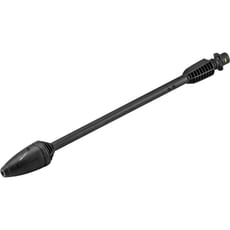
Dirtblasters, also known as rotary or turbo nozzles, are high-performance pressure washer attachments designed to deliver significantly enhanced cleaning power compared to standard spray lances. These specialist accessories combine the concentrated force of a zero-degree jet with a rotating action, creating a spinning water stream that can remove stubborn dirt, grime, moss, and ingrained stains from a wide variety of surfaces. The rotating mechanism generates a pulsating effect that intensifies the cleaning action whilst covering a wider area than a static pencil jet, making them ideal for tackling tough outdoor cleaning tasks that would otherwise require excessive time and effort.
When attached to compatible pressure washers, dirtblasters transform the cleaning capability of your equipment, making short work of jobs such as cleaning heavily soiled driveways, patios, decking, brickwork, and concrete surfaces. The concentrated rotating jet can penetrate deep into porous materials and blast away years of accumulated dirt, algae, and weathering. Professional cleaning contractors and property maintenance teams rely on dirtblasters to achieve superior results in a fraction of the time required by conventional cleaning methods.
Tooled-Up.com stocks dirtblaster attachments from Kärcher, the leading manufacturer of pressure washing equipment. From the powerful DB 180 suited to heavy-duty K7 machines through to protective splash guards that enhance user comfort and control, these German-engineered accessories are built to withstand the rigours of regular professional use whilst delivering consistently impressive cleaning results.
Jargon Buster
- Rotary Nozzle: An alternative name for a dirtblaster, referring to the internal mechanism that rotates the high-pressure water jet at high speed, typically between 2,000-4,000 RPM, to create the enhanced cleaning action.
- Bar Pressure: The measurement of water pressure output from a pressure washer, expressed in bar (1 bar = 14.5 PSI). Dirtblasters require adequate pressure to operate effectively, with most requiring minimum pressures of 100-150 bar.
- Flow Rate: Measured in litres per hour (l/h) or litres per minute (l/min), this indicates the volume of water delivered through the pressure washer and dirtblaster attachment. Higher flow rates combined with high pressure deliver superior cleaning performance.
- Bayonet Fitting: The quick-connect coupling system used on many pressure washer accessories, including dirtblasters, allowing rapid attachment and removal without tools. Different manufacturers may use proprietary bayonet designs.
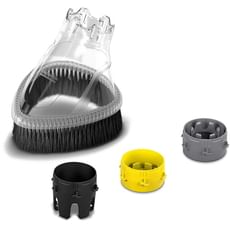
- Splash Guard: A protective shroud or deflector that attaches to a dirtblaster to contain water spray, preventing excessive splashback towards the operator and surrounding areas, particularly useful when working on vertical surfaces or in confined spaces.
- Pencil Jet: An extremely narrow, concentrated water stream produced by zero-degree nozzles and dirtblasters, offering maximum cleaning power but requiring careful handling to avoid surface damage.
Who Uses Dirtblasters?
- Professional Cleaning Contractors: Specialists in driveway cleaning, patio restoration, and exterior building maintenance who require maximum efficiency and cleaning power.
- Property Maintenance Teams: Facilities managers and maintenance operatives responsible for keeping commercial premises, car parks, and public spaces clean and presentable.
- Landscapers and Groundskeepers: Professionals who need to remove algae, moss, and weathering from paving, decking, and hard landscaping features.
- Building and Renovation Contractors: Tradespeople cleaning construction sites, removing cement residue, paint overspray, and building dirt from surfaces.
- Vehicle Valeting Services: Mobile and fixed-site valeting businesses tackling stubborn dirt on vehicle undercarriages, wheel arches, and engine bays.
- Agricultural Workers: Farm maintenance personnel cleaning heavily soiled concrete yards, livestock areas, and agricultural equipment.
- DIY Enthusiasts: Homeowners undertaking garden restoration projects, driveway cleaning, and exterior home maintenance requiring professional-quality results.
How to Choose the Right Dirtblasters
Selecting the appropriate dirtblaster for your needs requires careful consideration of compatibility and intended application. The most critical factor is ensuring the dirtblaster matches your pressure washer model. Kärcher dirtblasters available at Tooled-Up are designed specifically for particular machine classes – the DB 180 is engineered for the higher-powered K7 range, whilst other models suit K2-K6 machines. Always verify compatibility before purchasing to ensure proper fit and optimal performance.
Consider the types of cleaning tasks you'll be undertaking most frequently. For intensive commercial work involving large areas of heavily soiled concrete, industrial-grade dirtblasters with robust construction and high-flow capabilities deliver the durability and performance required. For occasional domestic use on patios and driveways, a standard dirtblaster attachment will suffice whilst representing better value.
Evaluate whether additional accessories such as splash guards would benefit your typical applications. When working on vertical surfaces like walls and fencing, or in areas where controlling water spray is important, a splash guard attachment significantly improves working conditions and reduces mess. This is particularly valuable for professional contractors working on occupied properties where minimising disruption is essential.
Consider the operating pressure and flow rate specifications of your pressure washer. Dirtblasters require adequate power to function effectively – insufficient pressure will prevent the rotary mechanism from achieving optimal speed, reducing cleaning performance. Check the minimum pressure requirements and ensure your machine meets or exceeds these specifications.
Popular Accessories
- Splash Guards: Essential accessories that attach to dirtblasters to control water spray and improve operator comfort, particularly when cleaning vertical surfaces.
- Extension Lances: Telescopic or fixed-length lances that allow comfortable cleaning of ground-level surfaces without excessive bending, and enable access to elevated areas.
- Pressure Washer Detergents: Specialist cleaning solutions formulated for use with pressure washers, including degreasers, patio cleaners, and algae removers that enhance dirtblaster effectiveness.
- Quick-Connect Adapters: Coupling systems that enable rapid switching between dirtblasters and other pressure washer attachments during multi-task cleaning sessions.
- Rotating Brushes: Complementary attachments for delicate surfaces where dirtblasters might be too aggressive, allowing you to tackle a wider range of cleaning applications.
- Surface Cleaners: Large-diameter rotating cleaners for efficiently covering extensive flat areas like driveways and patios alongside targeted dirtblaster use on edges and stubborn stains.
- Replacement Nozzles: Spare jets and nozzle tips to maintain optimal performance and replace worn components.
Safety Information
Dirtblasters generate extremely high water pressure concentrated into a powerful rotating jet that can cause serious injury if mishandled. Always wear appropriate personal protective equipment including safety goggles or a face shield, waterproof gloves, and sturdy footwear with good grip when operating these attachments. The intense water jet can penetrate skin, cause eye injuries, and dislodge debris at high velocity, making eye protection particularly crucial.
Never direct a dirtblaster towards people, animals, electrical equipment, or yourself. The concentrated jet can damage softer materials including wood, render, paintwork, and pointing between bricks, so always test on an inconspicuous area first and maintain appropriate distance from the surface being cleaned. Keep the nozzle moving continuously to prevent localised damage from the rotating jet dwelling too long in one spot.
Be aware of your surroundings when operating dirtblasters, particularly regarding slip hazards created by water runoff and debris dislodged during cleaning. Ensure adequate drainage and take care on potentially slippery surfaces. When working at height or on ladders, never use a dirtblaster as the reactive force can cause loss of balance. Follow HSE guidelines for pressure washer operation and ensure electrical connections are protected from water ingress using properly rated equipment suitable for outdoor use with 240v mains power.
Frequently Asked Questions
What's the difference between a dirtblaster and a standard pressure washer nozzle?
A dirtblaster features a rotating internal mechanism that spins the water jet at high speed, typically 2,000-4,000 RPM, creating a pulsating cleaning action significantly more powerful than a static nozzle. This rotating jet combines the concentrated force of a zero-degree pencil jet with a wider cleaning coverage pattern, making it far more effective at removing stubborn dirt, algae, and ingrained stains. Standard nozzles produce either a static concentrated jet or a wider fan spray but lack the enhanced cleaning power of the rotating action.
Will a dirtblaster work with any pressure washer?
No, dirtblasters must be compatible with your specific pressure washer model. Different manufacturers use proprietary connection systems, and dirtblasters are designed for particular pressure ranges. Kärcher dirtblasters, for instance, are model-specific – the DB 180 is designed for K7 machines, whilst other variants suit K2-K6 models. Always verify compatibility with your pressure washer before purchasing. Additionally, your machine must deliver adequate pressure (typically 100+ bar) for the dirtblaster's rotating mechanism to function effectively.
Can dirtblasters damage surfaces?
Yes, dirtblasters can damage certain surfaces due to their extremely concentrated rotating jet. They can strip paint, damage soft wood, erode pointing from brickwork, and mark softer stone or render if used incorrectly. Always test on an inconspicuous area first, maintain appropriate distance from the surface (typically 30-40cm), and keep the nozzle moving continuously. For delicate surfaces, use standard nozzles or rotating brushes instead. Dirtblasters are best suited to robust materials like concrete, tarmac, and hard paving stones.
Do I need a splash guard for my dirtblaster?
Whilst not essential, a splash guard significantly improves comfort and control when using a dirtblaster, particularly on vertical surfaces or in confined areas. The guard contains the powerful spray pattern, reducing splashback towards the operator and surrounding areas. This is especially valuable for professional contractors working on occupied properties where minimising water spray and mess is important. For ground-level work in open areas, splash guards are less critical but still beneficial for reducing operator fatigue from constant water spray.
How do I maintain my dirtblaster?
After each use, flush the dirtblaster with clean water to remove dirt and debris that could affect the rotating mechanism. Inspect the nozzle opening for blockages or wear, as debris or worn components reduce cleaning effectiveness. Store the dirtblaster in a dry location protected from frost, as water trapped inside can freeze and damage internal components. Periodically check connection points for wear and ensure bayonet fittings engage securely. If rotation becomes sluggish or stops, disassemble and clean the internal mechanism according to manufacturer instructions, or replace worn components to restore performance.