

Dispensing Guns
Pay in 3 interest-free payments on purchases from £30-2000 with  . Learn more.
 Loading...
End of content
Error - No more pages to load
About Dispensing Guns
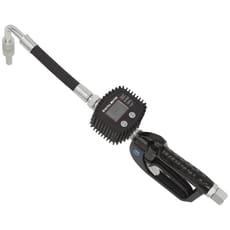
Dispensing guns are precision workshop tools engineered to transfer, dispense and control the flow of liquids including oils, diesel, petrol and hydraulic fluids with accuracy and safety. These professional-grade implements enable controlled fluid delivery whilst minimising spillage and waste, making them indispensable equipment for garages, workshops, agricultural operations and industrial facilities throughout the UK. Whether topping up engine oil, refuelling machinery or transferring specialist fluids, a quality dispensing gun ensures clean, efficient operation whilst protecting both operators and the environment from unnecessary contamination.
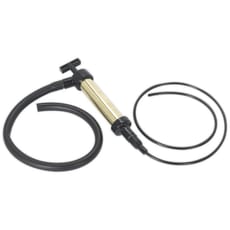
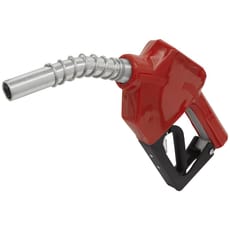
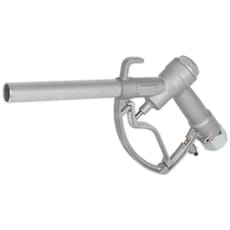
Modern dispensing guns are available in various configurations to suit different applications and fluid viscosities. Manual dispensing guns offer straightforward, reliable operation for controlled workshop applications, whilst automatic nozzles provide hands-free convenience with integrated shut-off mechanisms that prevent overflow during high-volume refuelling tasks. Gravity-fed dispensing kits work effectively for transferring fluids from elevated drums and containers, whilst robust trigger-action oil dispensing guns deliver precise control over flow rates for measured applications. Many professional models feature brass construction for exceptional durability and chemical resistance, combined with ergonomic designs that reduce operator fatigue during extended use.
The selection at Tooled-Up.com includes dispensing guns from trusted manufacturers like Sealey, recognised throughout the trade for producing reliable fluid handling equipment that meets the demanding requirements of professional environments. From straightforward hose-end guns for basic oil dispensing to sophisticated automatic fuel nozzles with integrated shut-off systems, the range covers essential fluid transfer applications across automotive, agricultural and industrial sectors.
Jargon Buster
- Automatic Nozzle: A dispensing nozzle equipped with an automatic shut-off mechanism that stops fluid flow when the receiving container reaches capacity, preventing overflow and spillage. Particularly valuable for unattended vehicle refuelling applications where hands-free operation improves efficiency.
- Gravity Feed: A dispensing system utilising gravitational force rather than mechanical pumping to transfer fluid from an elevated source container. Simple, reliable and maintenance-free, gravity-fed systems are widely used in professional workshops for oil changes and routine fluid transfers.
- Flow Control Valve: An adjustable mechanism integrated into the dispensing gun that regulates the rate of fluid discharge, allowing operators to match flow speed precisely to specific application requirements and container sizes.
- Hose-End Gun: A dispensing gun designed to attach securely to the end of a flexible hose, typically used in conjunction with bulk fluid containers or drum-mounted pumps for reaching awkward filling points on machinery and vehicles.
- Swivel Inlet: A rotating connection point that prevents hose twisting and tangling whilst allowing unrestricted manoeuvring of the dispensing gun during operation, particularly valuable when working in confined workshop spaces or around vehicle components.
- Manual Shut-Off: A trigger or lever mechanism requiring the operator to maintain pressure throughout dispensing, providing maximum control over flow and enabling precise measurement of dispensed quantities for applications requiring exact fluid volumes.
Who Uses Dispensing Guns?
Dispensing guns are relied upon daily by professionals and industries throughout the UK, including:
- Motor mechanics and vehicle technicians in garages and MOT centres for oil changes and fluid maintenance
- Agricultural contractors and farmers refuelling tractors, combines and field machinery
- Plant operators and construction workers maintaining hydraulic equipment, generators and site machinery
- HGV mechanics and fleet maintenance teams servicing commercial vehicles and transport fleets
- Marine engineers dispensing oils and fuels for boat engines and marine equipment
- Industrial maintenance fitters managing hydraulic systems and machinery lubrication in manufacturing facilities
- Groundskeepers and landscapers refuelling mowers, strimmers and petrol-powered garden equipment
- Plant hire companies maintaining rental equipment and machinery
- DIY enthusiasts and home mechanics servicing their own vehicles and powered tools
How to Choose the Right Dispensing Guns
Selecting the appropriate dispensing gun depends on several application-specific factors:
Fluid Compatibility: Verify the dispensing gun is compatible with the fluids you'll be handling. Different materials and seal types are required for petrol, diesel, engine oils and specialist chemicals. Check whether the gun is suitable for unleaded petrol, leaded petrol or diesel, and confirm chemical resistance for hydraulic fluids and specialist lubricants.
Manual vs Automatic Operation: Manual nozzles offer precise control and are ideal for measured dispensing in workshop environments where exact quantities matter. Automatic nozzles with shut-off mechanisms prevent overflow during unattended vehicle refuelling, perfect for high-volume applications where hands-free operation improves efficiency and safety.
Flow Rate Requirements: Consider typical dispensing volumes. High-flow applications like vehicle refuelling benefit from larger bore nozzles with maximum flow rates, whilst precision topping-up requires fine flow control. Adjustable flow control valves provide versatility across different applications.
Dispensing Method: Gravity-fed systems offer simple, reliable operation for workshop oil changes without requiring pumping mechanisms. Trigger-action guns provide portability and controlled dispensing from containers at any height. Hose-end guns work in conjunction with separate drum pumps for bulk fluid handling from barrels and intermediate bulk containers.
Construction Quality: Brass construction delivers excellent durability and chemical resistance, making it ideal for demanding professional environments. Heavy-duty models with reinforced components withstand the rigours of daily workshop use and challenging site conditions. Consider models with non-drip nozzles to maintain clean work areas.
Ergonomics and Handling: For frequent use, prioritise guns with comfortable grips, trigger mechanisms with smooth action, and swivel inlets that prevent hose twisting. Balanced weight distribution reduces operator fatigue during extended dispensing sessions, whilst handle locks enable continuous flow without maintaining trigger pressure.
Popular Accessories
Enhance your fluid dispensing capabilities with these complementary products available from Tooled-Up:
- Fluid transfer pumps for extracting oils and liquids from engines and sumps
- Drum pumps and rotary pumps for dispensing from bulk storage containers and barrels
- Flexible dispensing hoses in various lengths and diameters for reaching difficult locations
- Drip trays and spill containment equipment to catch drips and prevent workshop contamination
- Jerry cans and fuel containers for safe storage and transport of flammable liquids
- Oil drain pans and waste fluid collectors for professional workshop fluid management
- Funnels and pour spouts for accurate filling of small or awkward openings
- Thread adapters and quick-release couplings for connecting to different hose systems
- Replacement nozzles, seals and spare parts to maintain equipment performance
- Measuring jugs and calibrated containers for accurate fluid measurement
Safety Information
Dispensing flammable and potentially hazardous fluids requires strict adherence to safety protocols:
Fire Prevention: Always operate dispensing guns in well-ventilated areas away from ignition sources, naked flames, sparks and hot surfaces. Ensure electrical equipment is switched off when dispensing petrol or volatile liquids. Keep appropriate fire extinguishers readily accessible in fuel dispensing areas and ensure all personnel know their locations and operation.
Personal Protective Equipment: Wear appropriate PPE including chemical-resistant gloves, safety glasses or face shields, and protective clothing when handling oils, fuels and chemicals. Ensure adequate ventilation or use respiratory protection when working with volatile fluids in enclosed spaces or poorly ventilated workshops.
COSHH Compliance: Follow Control of Substances Hazardous to Health (COSHH) regulations when handling petroleum products, oils and chemicals. Maintain current safety data sheets for all fluids and ensure proper training for all personnel operating dispensing equipment. Conduct regular risk assessments for fluid handling activities.
Spill Prevention and Management: Use drip trays beneath dispensing operations and keep absorbent materials readily available. Maintain spill kits appropriate to the fluids being handled and ensure all staff understand proper cleanup procedures. Dispose of contaminated materials according to UK environmental regulations and local authority requirements.
Equipment Maintenance: Regularly inspect dispensing guns, hoses, connections and seals for wear, damage or leaks. Replace worn components promptly to prevent drips, failures and potential hazards. Test automatic shut-off mechanisms periodically to ensure correct functioning and overflow prevention.
Static Electricity: When dispensing fuel, follow proper earthing and bonding procedures to prevent static discharge that could cause ignition. Use only approved equipment in potentially explosive atmospheres as required by HSE guidelines and ATEX regulations for hazardous environments.
Frequently Asked Questions
Can I use the same dispensing gun for different types of fluids?
It's best practice to dedicate dispensing guns to specific fluid types to prevent cross-contamination and maintain fluid purity. Petrol and diesel guns should always be kept separate, and engine oils should not be dispensed through guns used for fuels. If you must use one gun for multiple compatible fluids, ensure thorough cleaning between different substances and verify the gun's material compatibility, seal types and chemical resistance with all fluids you intend to dispense.
What's the difference between manual and automatic dispensing nozzles?
Manual nozzles require the operator to hold the trigger throughout the dispensing operation, providing precise control over flow rates and dispensed quantities. Automatic nozzles feature an integrated shut-off mechanism that stops flow when the receiving container reaches capacity, allowing hands-free operation during vehicle refuelling. Automatic nozzles excel at high-volume applications, whilst manual nozzles provide superior control for measured dispensing and topping-up operations where exact quantities are critical.
Are gravity-fed dispensing systems suitable for professional workshop use?
Absolutely. Gravity-fed systems are widely used in professional garages, commercial workshops and agricultural settings for oil changes and routine fluid transfers. They're mechanically simple, reliable and require no pumping mechanism or power source, making them cost-effective and virtually maintenance-free. For optimal performance, ensure the source container is positioned sufficiently high to provide adequate flow pressure for your application requirements.
How do I maintain my dispensing gun to ensure long service life?
Regular maintenance includes cleaning the nozzle after each use to prevent fluid build-up and blockages, checking and replacing worn seals and O-rings, and inspecting hoses and connections for cracks, deterioration or damage. Store guns in clean, dry locations when not in use to prevent contamination and corrosion. For automatic nozzles, periodically test the shut-off mechanism to ensure correct operation. Replace any components showing signs of wear, damage or leakage promptly to maintain safety and performance.
What inlet size and thread type should I look for?
Most dispensing guns feature standard BSP (British Standard Pipe) thread connections, with 1/2" BSP being common for general workshop applications. Always verify that thread sizes and connection types match your existing hoses, pumps and fluid containers. Some dispensing guns are supplied as complete kits with matched hoses and fittings. Check the gun's specifications for maximum operating pressure if using with pumped systems rather than gravity-fed applications.