

Disposable Overshoes
Pay in 3 interest-free payments on purchases from £30-2000 with  . Learn more.
 Loading...
End of content
Error - No more pages to load
About Disposable Overshoes
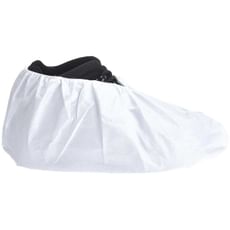
Disposable overshoes are essential protective footwear covers designed to maintain hygiene standards and prevent contamination across professional and domestic environments. These lightweight, single-use shoe covers slip easily over standard work boots or shoes, creating an effective barrier between footwear and clean or sensitive areas. Whether you're a tradesperson entering a client's newly carpeted home, a healthcare professional maintaining sterile conditions, or a contractor working in controlled environments, disposable overshoes provide a simple yet effective solution for protecting floors and preventing the spread of dirt, dust, and contaminants.
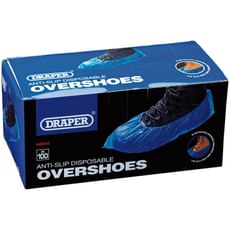
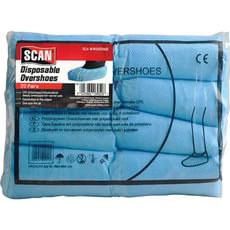
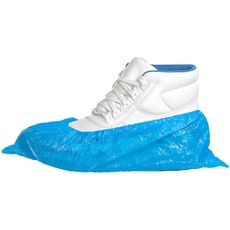
The selection at Tooled-Up.com includes disposable overshoes manufactured from various materials such as microporous polypropylene, polyethylene (PE), and specialist CPE fabrics. Available from trusted brands including Portwest, BizTex, Draper, and Scan, these protective covers come in convenient pack sizes typically ranging from 25 to 200 pairs. They feature elasticated ankles or integrated ties to ensure a secure fit over different footwear types, from trainers to steel-toe-capped work boots. The universal sizing accommodates most adult shoe sizes, making them a practical addition to any professional's kit or site welfare facilities.
Disposable overshoes prove particularly valuable on construction sites, during property maintenance work, in medical facilities, laboratories, food processing environments, and any location where maintaining cleanliness is paramount. They're lightweight enough to carry in a work van or toolbox, yet robust enough to withstand typical foot traffic during short-term wear. For tradespeople and contractors, keeping a supply of disposable overshoes demonstrates professionalism and respect for clients' properties whilst protecting against potential damage claims.
Jargon Buster
- Microporous Material: A breathable fabric with tiny pores that allows air circulation whilst preventing liquid penetration and particle contamination. Microporous overshoes offer superior comfort during extended wear compared to non-breathable alternatives, making them ideal for tradespeople spending several hours on site.
- PE (Polyethylene): A lightweight, waterproof plastic material commonly used in economical disposable overshoes. PE overshoes provide basic protection against moisture and dirt but typically offer less breathability than microporous alternatives.
- CPE (Chlorinated Polyethylene): An enhanced plastic material that offers improved strength and chemical resistance compared to standard PE, making it suitable for more demanding environments where exposure to liquids or contaminants is likely.
- Elasticated Ankle: A rubber or elastic band sewn into the ankle opening of the overshoe that ensures a secure fit around the footwear, preventing the cover from slipping off during use and maintaining the protective barrier.
- Anti-Slip Sole: Textured or patterned bottom surface on some overshoes that provides improved traction on smooth flooring, reducing slip hazards in wet or polished environments whilst maintaining floor protection.
- Universal Sizing: Overshoes designed with sufficient stretch and coverage to fit most adult shoe sizes, typically accommodating UK sizes 6-12, eliminating the need to stock multiple size options and simplifying inventory management.
Who Uses Disposable Overshoes?
Disposable overshoes serve a wide range of trades, professions, and industries where hygiene and cleanliness are priorities:
- Construction Workers & Site Managers: Protecting newly installed flooring, carpets, or finished surfaces during final fix stages and handover periods
- Electricians & Plumbers: Maintaining cleanliness when working in occupied properties, particularly in kitchens, bathrooms, and carpeted areas
- Decorators & Plasterers: Preventing paint, plaster dust, and other materials from being tracked through clients' homes
- HVAC Engineers: Keeping properties clean whilst installing or servicing heating and ventilation systems
- Estate Agents & Property Viewers: Protecting show homes and newly renovated properties during viewings
- Healthcare Professionals: Maintaining sterile environments in medical facilities, care homes, and during home visits
- Laboratory Technicians: Preventing contamination in controlled research and testing environments
- Food Industry Workers: Complying with hygiene regulations in food processing and preparation facilities
- Facilities Management Teams: Protecting floors during maintenance work in commercial premises, schools, and public buildings
- DIY Enthusiasts: Keeping homes clean during renovation projects or when moving between dirty work areas and living spaces
How to Choose the Right Disposable Overshoes
Selecting appropriate disposable overshoes depends on several key factors related to your specific working environment and requirements:
Material Type: Consider whether breathability is important for your application. Microporous materials from brands like BizTex offer excellent comfort for extended wear whilst maintaining protective qualities, making them ideal for tradespeople spending several hours on site. Standard PE overshoes provide adequate protection for shorter duration tasks and offer better value for high-volume users who need basic contamination prevention.
Pack Quantity: Assess your typical usage patterns to determine the most economical pack size. Contractors regularly visiting multiple properties benefit from larger packs of 100 or 200 pairs available from Tooled-Up, whilst occasional users or small teams may prefer packs of 25 to minimise storage requirements and initial outlay.
Durability Requirements: Evaluate the walking surfaces and duration of wear. Heavier-duty overshoes with reinforced construction suit construction sites with rough surfaces, whilst lighter options suffice for brief visits to residential properties with carpet or smooth flooring.
Slip Resistance: If working on polished floors, tiled surfaces, or potentially wet areas, prioritise overshoes with textured or anti-slip soles to reduce accident risks. This feature is particularly important for compliance with HSE guidelines regarding workplace safety.
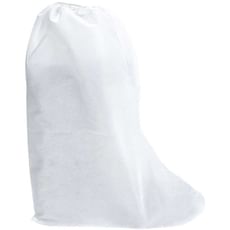
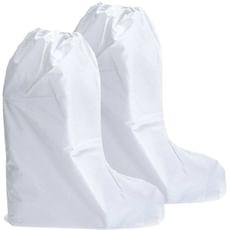
Height Coverage: Boot covers extend higher up the leg than standard overshoes, providing additional protection when working in particularly dusty or muddy conditions. Consider whether standard ankle-height coverage or extended boot covers better suit your typical working environment.
Colour Coding: Some environments, particularly in healthcare and food processing, require specific colour-coded overshoes to differentiate between zones or departments. Blue overshoes are commonly specified for food industry applications due to high visibility if they accidentally detach.
Popular Accessories
- Disposable Gloves: Nitrile or latex gloves complement overshoes to provide complete PPE for contamination control
- Disposable Coveralls: Full-body protection suits for comprehensive site hygiene when working in sensitive environments
- Disposable Hair Nets & Beard Covers: Complete the hygiene protocol in food processing or cleanroom environments
- Boot Scrapers & Cleaning Mats: Remove excess dirt before applying overshoes to extend their effectiveness
- Disposable Aprons: Additional protection for torso coverage during messy tasks
- Overshoe Dispensers: Wall-mounted units for organised storage and easy access in busy work environments
- Heavy-Duty Refuse Sacks: For hygienic disposal of used overshoes at end of shift
- Site Welfare Supplies: Hand sanitiser, wipes, and cleaning products to maintain overall site hygiene standards
Safety Information
Whilst disposable overshoes are straightforward protective equipment, proper usage ensures maximum effectiveness and safety:
Slip Hazards: Standard disposable overshoes can reduce traction on smooth or wet surfaces. Take extra care when walking on polished floors, tiles, or wet areas. Where slip risk is significant, select overshoes with anti-slip soles or consider alternative footwear protection. Always comply with HSE guidance regarding slip and trip hazards in the workplace.
Proper Fitting: Ensure overshoes are correctly fitted over footwear with the elasticated opening secured around the ankle. Loose or poorly fitted overshoes can become trip hazards or fail to provide adequate protection. Check for tears or damage before use and replace immediately if compromised.
Chemical Resistance: Standard disposable overshoes provide limited protection against chemicals. If working with hazardous substances covered by COSHH regulations, verify that your overshoes meet the required specifications for chemical resistance. Consult product datasheets for specific protection levels.
Duration of Use: Disposable overshoes are designed for single-use or limited duration wear. Replace them when visibly soiled, damaged, or at the end of each working shift. Attempting to reuse disposable overshoes compromises their protective qualities and defeats their hygienic purpose.
Disposal: Used overshoes should be disposed of responsibly in appropriate waste receptacles. If contaminated with hazardous materials, follow your organisation's waste management protocols and relevant environmental regulations for proper disposal.
Frequently Asked Questions
What's the difference between disposable shoe covers and boot covers?
Boot covers extend higher up the leg, typically to mid-calf height, providing additional protection when working in particularly dusty or muddy environments. Standard shoe covers or overshoes reach just above the ankle and suit most general applications. Choose boot covers for construction sites with heavy contamination or when wearing tall work boots that require full coverage.
How many times can I wear disposable overshoes?
Disposable overshoes are designed for single-use to maintain hygiene standards. However, if they remain clean and undamaged during a brief visit, some tradespeople carefully remove and reuse them for subsequent appointments on the same day. For optimal protection and professionalism, use fresh overshoes for each client property or when moving between contamination zones.
What size disposable overshoes do I need?
Most disposable overshoes feature universal sizing that accommodates UK shoe sizes 6-12 through elasticated ankles and stretchable materials. The generous sizing ensures they fit over work boots and safety footwear. Always check product specifications if you require coverage for particularly large boots or need extra-large sizes.
Are disposable overshoes waterproof?
PE and CPE overshoes provide waterproof protection suitable for protecting floors from wet or muddy footwear. However, they're not designed as primary waterproof footwear for the wearer. Microporous overshoes offer water resistance whilst allowing breathability, making them splash-resistant rather than fully waterproof. Check product specifications for the water resistance level suited to your requirements.
Can I wear disposable overshoes on ladders or scaffolding?
Exercise extreme caution when wearing disposable overshoes on ladders, scaffolding, or other elevated working platforms. Standard overshoes can reduce traction and tactile feedback, increasing slip and fall risks. Many safety professionals recommend removing overshoes before ascending ladders or working at height, then reapplying them when returning to ground level in protected areas. Always prioritise HSE working at height regulations over floor protection considerations.