

Dome Nuts
Pay in 3 interest-free payments on purchases from £30-2000 with  . Learn more.
 Loading...
End of content
Error - No more pages to load
About Dome Nuts
Dome nuts, also known as acorn nuts or cap nuts, are specialised fasteners featuring a rounded, enclosed top that covers the end of a protruding bolt or threaded rod. Unlike standard hexagon nuts, dome nuts provide both a neat, finished appearance and practical protection against sharp thread ends, making them ideal for applications where safety, aesthetics, or weather resistance are important considerations. The domed cap prevents moisture, dirt, and debris from accumulating on exposed threads, which can significantly extend the lifespan of fastening assemblies in outdoor or corrosive environments.
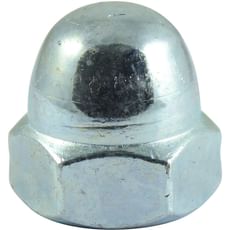
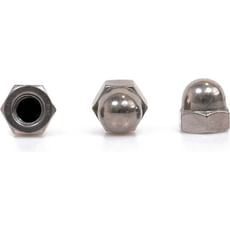
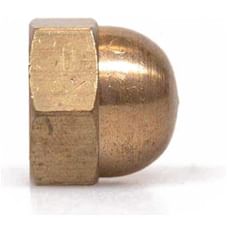
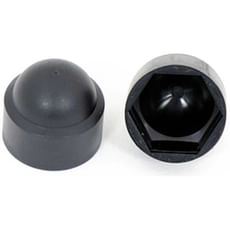
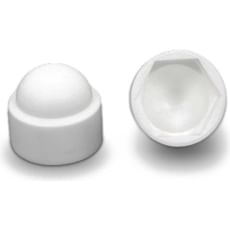
The selection at Tooled-Up.com includes dome nuts manufactured in various materials including bright zinc plated steel, stainless steel grades A2 304 and A4 316, and brass, each offering different levels of corrosion resistance and aesthetic appeal. Plastic nut cover caps are also available in black and white finishes, which provide an economical alternative for decorative applications where load-bearing requirements are less critical. These versatile fasteners are available in multiple thread sizes to suit standard metric bolts and threaded rods commonly used in UK construction and manufacturing projects.
Whether you're working on architectural metalwork, assembling playground equipment, installing signage, or finishing exposed fixings on furniture and joinery, dome nuts provide a professional solution that combines functionality with visual appeal. With trusted brands like Sirius and Timco represented in the range, you can be confident in the quality and durability of these essential fastening components.
Jargon Buster
- A2 and A4 Stainless Steel: Grades of stainless steel with different corrosion resistance properties. A2 (304 grade) offers excellent general corrosion resistance suitable for most applications, whilst A4 (316 grade) provides superior resistance to marine environments and acidic conditions.
- Bright Zinc Plated: A protective coating process where steel fasteners are electroplated with a thin layer of zinc, providing moderate corrosion resistance and a shiny, silvery appearance suitable for indoor and some outdoor applications.
- Hexagon Base: The six-sided lower portion of a dome nut that allows it to be tightened using standard spanners, adjustable wrenches, or socket sets, just like conventional hexagon nuts.
- Thread Pitch: The distance between adjacent threads on a bolt or nut, typically measured in millimetres for metric fasteners. Standard (coarse) and fine pitch options are available for different applications.
- Captive Thread: The internal thread within the dome nut that engages with the external thread of a bolt or threaded rod, providing the clamping force necessary to secure components together.
- Cover Cap: A separate plastic component that pushes onto a standard nut to provide a decorative domed finish, offering similar aesthetic benefits to a solid dome nut at a lower cost for non-structural applications.
Who Uses Dome Nuts?
Dome nuts are specified across numerous trades and industries where both appearance and safety matter:
- Metal Fabricators and Welders: For finishing exposed bolts on railings, balustrades, gates, and architectural metalwork
- Shopfitters and Retail Installers: Creating safe, tamper-resistant fixings for display units, shelving systems, and customer-facing fixtures
- Playground and Leisure Equipment Installers: Essential safety components preventing injuries from sharp thread ends on climbing frames and outdoor equipment
- Signage Installers: Providing neat, professional finishes on externally mounted signs and wayfinding systems
- Furniture Makers and Joiners: Finishing exposed fixings on bespoke furniture, workbenches, and joinery projects
- Electrical and Mechanical Engineers: Securing equipment enclosures and control panels where a finished appearance is required
- Automotive and Marine Technicians: Using corrosion-resistant stainless steel dome nuts in exposed chassis and deck fittings
- DIY Enthusiasts: Adding professional touches to home improvement projects, garden furniture, and custom builds
How to Choose the Right Dome Nuts
Thread Size and Pitch: Dome nuts must match the thread diameter and pitch of the bolt or threaded rod they'll secure. Common metric sizes include M6, M8, M10, and M12. Check the thread pitch specification, as both coarse and fine threads are available for some sizes. Always verify compatibility before purchasing to ensure proper thread engagement and secure fastening.
Material Selection: Choose materials based on environmental exposure and aesthetic requirements. Bright zinc plated steel offers economical corrosion protection for indoor applications and sheltered outdoor use. A2 stainless steel (304 grade) provides excellent all-round corrosion resistance for general outdoor applications. A4 stainless steel (316 grade) is specified for marine environments, coastal locations, or where exposure to chlorides and acids is likely. Brass dome nuts offer attractive appearance and good corrosion resistance, popular for architectural and decorative applications.
Application Requirements: Consider whether the application is structural or decorative. Solid metal dome nuts are required for load-bearing applications and locations where mechanical strength is critical. Plastic cover caps from Sirius provide an economical alternative for purely decorative purposes where they won't bear loads or be subject to mechanical stress. Available in black and white finishes, these caps simply push onto standard nuts.
Installation Access: Ensure adequate clearance exists for a spanner or socket to engage the hexagon base during installation. Dome nuts require slightly more vertical clearance than standard nuts due to their increased height. Factor this into your design specifications, particularly in confined spaces or where multiple fixings are closely spaced.
Aesthetic Considerations: Choose finishes that complement your project. Stainless steel provides a modern, clean appearance that maintains its looks over time. Bright zinc plating offers a silvery finish but may dull with age. Brass develops an attractive patina over time, adding character to traditional or heritage projects.
Popular Accessories
- Bolts and Threaded Rod: High tensile bolts and continuous threaded rod in matching materials and thread specifications
- Washers: Flat washers, spring washers, and penny washers to distribute loads and prevent loosening
- Spanners and Socket Sets: Quality tools from brands like Bahco, Wera, and Knipex for proper installation
- Thread-Locking Compounds: Anaerobic adhesives to prevent loosening in vibration-prone applications
- Anti-Seize Compounds: Lubricants to prevent galling on stainless steel threads and ease future disassembly
- Torque Wrenches: Ensuring correct tightening without over-stressing threads or damaging components
- Thread Gauges: Precision measuring tools to verify thread pitch and diameter before ordering
- Standard Hexagon Nuts: Complementary fixings for locations where dome appearance isn't required
Safety Information
When working with dome nuts and fastening systems, always follow HSE guidelines for safe working practices. Ensure all load-bearing applications are properly calculated and specified by a qualified engineer, particularly for overhead installations, playground equipment, and structural metalwork. When installing dome nuts on threaded rod for suspended loads, verify that thread engagement meets minimum requirements and use appropriate locking mechanisms to prevent loosening through vibration or thermal cycling.
For playground and leisure equipment installations, dome nuts are essential safety components that prevent injuries from exposed sharp thread ends. Regular inspection schedules should be implemented to check for loosening, corrosion, or damage, particularly in outdoor environments. When working at height during installation, follow proper access equipment procedures and use appropriate PPE including safety harnesses where required.
Always use the correct size spanner or socket to avoid rounding off the hexagon flats, and never over-tighten dome nuts as this can strip threads or crack the dome cap. When using stainless steel fasteners, apply anti-seize compound to prevent thread galling during installation and to facilitate future maintenance or disassembly.
Frequently Asked Questions
Can dome nuts be used for structural applications?
Yes, metal dome nuts manufactured from steel, stainless steel, or brass are suitable for structural and load-bearing applications. They provide the same clamping force and thread engagement as standard hexagon nuts of equivalent size and material. However, plastic cover caps are decorative only and should not be used where structural integrity is required.
What's the difference between A2 and A4 stainless steel dome nuts?
A2 stainless steel (304 grade) offers excellent corrosion resistance for most UK environments, including outdoor applications with normal atmospheric exposure. A4 stainless steel (316 grade) contains molybdenum, providing superior resistance to chlorides, acids, and marine environments. Specify A4 grade for coastal installations, swimming pool areas, or anywhere exposed to de-icing salts or industrial chemicals.
How do I prevent the dome from spinning when tightening?
Use two spanners or wrenches: one to hold the bolt head stationary and another to tighten the dome nut. Alternatively, grip the bolt shank with locking pliers whilst turning the dome nut. In single-access situations where only the nut is accessible, ensure the bolt head is properly captured or welded to prevent rotation.
Will dome nuts loosen over time?
Like all threaded fasteners, dome nuts can loosen in applications subject to vibration or thermal cycling. Use appropriate preventative measures such as spring washers, nylon insert lock nuts (where dome appearance is less critical), or thread-locking compounds. Regular inspection and re-tightening schedules are recommended for critical safety applications.
Can I use dome nuts with threaded rod for hanging applications?
Yes, dome nuts are commonly used with threaded rod for hanging signage, lighting fixtures, and suspended ceilings. The domed cap provides a neat finish whilst protecting the thread end. Ensure the material grade and thread engagement are appropriate for the suspended load, and always follow relevant HSE guidance for overhead installations and working at height. Products available from Tooled-Up.com include options suitable for various load ratings and environmental conditions.