

Door Chains, Bolts & Viewers
Pay in 3 interest-free payments on purchases from £30-2000 with  . Learn more.
 Loading...
End of content
Error - No more pages to load
About Door Chains, Bolts & Viewers
Door chains, bolts and viewers are fundamental security hardware products that provide crucial additional protection for homes, commercial premises and outbuildings across the UK. These devices serve multiple security functions: door chains allow controlled partial opening to verify visitors safely, locking bolts secure doors and gates from unauthorised access, and door viewers enable visual identification without compromising security. From the reassurance of a Yale door chain on a front entrance to the robust deterrent of an ABUS locking bolt on a garage or shed, these products deliver practical security solutions for both residential and commercial applications.
Tooled-Up.com stocks security hardware from established manufacturers including Yale, Henry Squire, ABUS and Sirius, ensuring professional-grade quality that meets the demands of locksmiths, property maintenance contractors and security-conscious homeowners. The range encompasses traditional keyed mechanisms like the Henry Squire 4 Lever Keybolt, innovative recodeable combination bolts that eliminate key management issues, and weather-resistant galvanised padbolts designed for external installations. Whether securing a front door in a residential property, restricting access to commercial stockrooms, or protecting agricultural outbuildings, these products combine mechanical reliability with features that satisfy insurance requirements and British security standards.
Modern door security hardware balances robust construction with straightforward installation and operation. Chrome and brass finishes complement contemporary and traditional door furniture respectively, whilst hot dipped galvanised options provide superior corrosion resistance for gates, sheds and coastal locations. From basic internal door chains to heavy-duty external locking bolts with hardened steel construction, these security devices offer scalable protection appropriate to each application's risk level and environmental conditions.
Jargon Buster
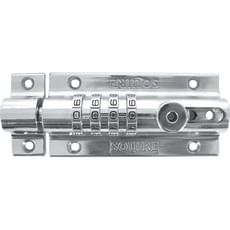
- Locking Bolt: A security device featuring a sliding bolt mechanism that locks in the closed position using either a key or combination lock, preventing the bolt being withdrawn from outside. Ideal for doors, gates and storage areas requiring keyless external security.
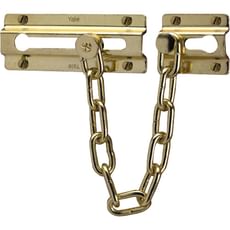
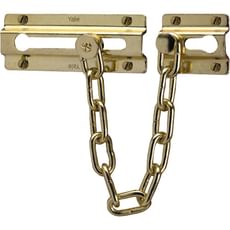
- Door Chain: A short chain connecting the door to its frame, allowing partial door opening whilst maintaining security. Enables safe visitor verification before granting full access—an essential secondary security measure for front and back doors.
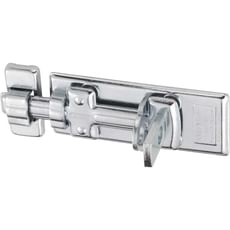
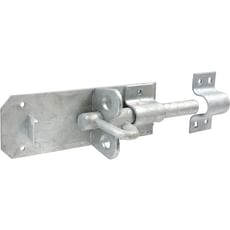
- Padbolt: A hinged metal bar that swings across to secure a door or gate, featuring a loop through which a padlock fits for additional security. Hot dipped galvanised versions offer weather resistance for external agricultural and commercial applications.
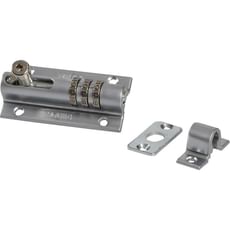
- Recodeable Combination Lock: A mechanical locking mechanism where users can change the combination without requiring new keys or replacement components. Particularly valuable for rental properties, shared facilities or situations requiring regular access code updates.
- Lever Lock Mechanism: A locking system using internal levers lifted to precise heights by the correct key. Four-lever locks provide good security, whilst five-lever mechanisms meet insurance standards for external doors on most UK residential policies.
- Door Viewer (Peephole): An optical device fitted through a door providing wide-angle exterior views, allowing safe visitor identification without opening the door. Essential for properties lacking windows adjacent to entrance doors.
Who Uses Door Chains, Bolts & Viewers?
- Locksmiths and Security Specialists: Professional installers specifying and fitting door security hardware as part of comprehensive property security upgrades and insurance-compliant installations.
- Property Maintenance Contractors: Tradespeople responsible for maintaining and upgrading security features across residential and commercial property portfolios.
- Landlords and Letting Agents: Property managers ensuring rental accommodation meets security standards and provides essential tenant safety features.
- Carpenters and Joiners: Chippies fitting door furniture and security hardware during new door installations, renovations and property refurbishments.
- Facilities Management Teams: Site maintenance personnel securing multiple access points in commercial buildings, schools, healthcare facilities and public premises.
- Housing Associations and Social Landlords: Organisations maintaining consistent security standards across extensive property portfolios.
- Homeowners and DIY Enthusiasts: Individuals upgrading home security, particularly for properties occupied by elderly or vulnerable residents.
- Agricultural and Estate Workers: Personnel securing barns, storage facilities, workshops and perimeter gates on farms and rural estates.
How to Choose the Right Door Chains, Bolts & Viewers
Application and Location: Determine whether products will be used internally or externally. External applications demand weather-resistant finishes including hot dipped galvanised steel, brass or marine-grade stainless steel. Internal door chains can utilise chrome or brass finishes matching existing door furniture aesthetics.
Security Level Required: Assess security needs based on insurance requirements and risk assessment. Properties requiring higher security should specify four-lever or five-lever locking bolts, whilst basic access control may only need standard door chains. ABUS and Henry Squire products offer tested security ratings suitable for insurance-compliant installations across commercial and residential applications.
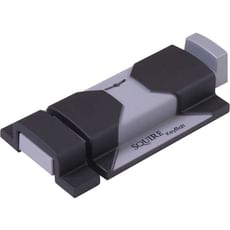
Key or Combination Operation: Decide whether keyed or combination locks best suit operational requirements. Keyed systems like the Henry Squire 4 Lever Keybolt provide traditional security with physical key control, whilst recodeable combination bolts eliminate key management challenges—ideal for rental properties, shared facilities or multi-user environments.
Installation Requirements: Evaluate door construction and frame material compatibility. Solid timber doors and robust frames accommodate most security hardware, but composite or UPVC doors may require specialist fixings. Ensure sufficient clearance exists for bolt mechanisms and verify that product dimensions suit door thickness and available mounting space.
Brand Reputation and Quality: Select established security manufacturers with proven performance records. The Tooled-Up range includes reliable Yale door chains with quality construction, alongside professional-grade Henry Squire and ABUS locking bolts trusted by locksmiths and security professionals throughout the UK for longevity and consistent operation.
Finish and Aesthetics: Match finishes to existing door furniture for visual cohesion. Chrome finishes suit modern properties, brass complements traditional settings, and galvanised steel provides industrial durability for utilitarian and agricultural applications.
Popular Accessories
- High-Security Padlocks: Essential companions for padbolts, available in weatherproof designs from ABUS, Squire and Yale to match the security level of bolt mechanisms.
- Door Viewers and Peepholes: Wide-angle optical viewers complementing door chains by providing visual verification before partially opening doors.
- Security Screws and Fixings: One-way or clutch-head screws preventing external removal, plus heavy-duty Fischer and Rawlplug fixings for masonry installations requiring maximum holding power.
- Hinge Bolts: Additional security devices preventing door removal even if hinge pins are attacked, working alongside chain and bolt systems for comprehensive protection.
- Door Reinforcement Plates: Metal strike plates and reinforcement hardware strengthening door frames around lock and bolt mounting points.
- Weather-Resistant Lubricants: Specialist maintenance products keeping mechanisms operating smoothly in external applications exposed to British weather conditions.
- Key Safes and Combination Boxes: Secure key storage solutions for properties using keyed locking bolts where controlled access sharing is required.
Frequently Asked Questions
Can I fit a door chain to a UPVC door?
Yes, but careful installation is essential to avoid damaging the door structure. Use fixings designed specifically for UPVC profiles and drill through reinforced sections rather than hollow chambers. Many installers prefer surface-mounted options for UPVC doors or alternative security devices specifically designed for composite door construction to ensure structural integrity.
What's the difference between a 3-wheel combination bolt and a 4-lever locking bolt?
A 3-wheel combination bolt uses a recodeable dial mechanism that can be changed without keys, eliminating key management issues for shared access situations. A 4-lever bolt uses traditional key-operated locks with four internal levers providing the security. Four-lever options typically offer higher security ratings and may be required for insurance purposes on external doors.
Are galvanised padbolts suitable for coastal locations?
Hot dipped galvanised padbolts offer good corrosion resistance for most UK locations, but coastal environments with salt spray may require marine-grade stainless steel for maximum longevity. Regular maintenance with appropriate lubricants extends service life in harsh conditions. For critical security applications near coastal areas, specify stainless steel construction throughout.
Do door chains provide adequate security on their own?
Door chains are designed as secondary security devices working alongside primary locks. They allow safe visitor verification and controlled door opening but should never be relied upon as sole security measures. Always use door chains in conjunction with quality deadlocks and nightlatches meeting British Standard BS 3621 for comprehensive door security.
How do I maintain locking bolts for long-term reliability?
Regular maintenance involves cleaning mechanisms to remove dirt and debris, applying light machine oil or specialist lock lubricant to moving parts, and checking fixing screws remain tight. External bolts benefit from twice-yearly maintenance, particularly before winter months, whilst internal mechanisms typically need annual attention. Combination locks should be exercised regularly to prevent mechanism stiffness.