

Door Closers
Pay in 3 interest-free payments on purchases from £30-2000 with  . Learn more.
 Loading...
End of content
Error - No more pages to load
About Door Closers
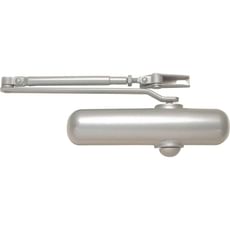
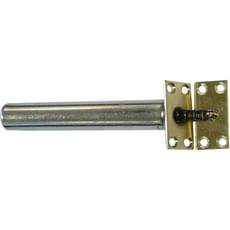
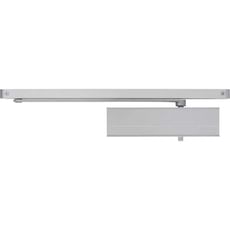
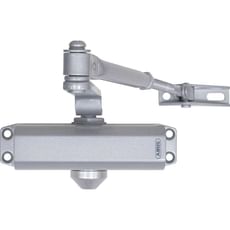
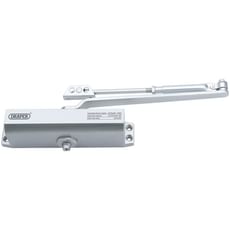
Door closers are mechanical devices that automatically return doors to their closed position after opening, ensuring security, fire safety and energy efficiency in homes, commercial buildings and industrial premises across the UK. These essential components use hydraulic or mechanical mechanisms to control the closing speed and force, preventing doors from slamming whilst ensuring they latch properly every time. From overhead rack-and-pinion models for heavy fire doors to concealed units for discreet residential installations, door closers play a vital role in maintaining building safety standards and compliance with UK Building Regulations.
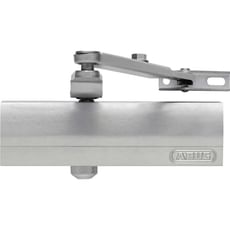
The range available at Tooled-Up.com includes trusted brands such as Abus, Yale, Union and Draper, offering solutions for doors from lightweight internal applications through to heavy-duty commercial fire doors. Surface-mounted overhead closers are the most common type, providing robust performance and easy adjustment for doors typically weighing between 40kg and 100kg. These units feature adjustable closing speed, latch action and backcheck functions, allowing tradespeople to fine-tune performance to suit specific door weights, environmental conditions and accessibility requirements.
Modern door closers must often comply with BS EN 1154 standards for fire door applications, with EN size ratings indicating the maximum door weight and width each model can handle effectively. Many installations also need to meet Part M Building Regulations for accessibility, requiring adjustable closing forces that accommodate wheelchair users and people with limited mobility whilst maintaining sufficient force to overcome air pressure, weather seals and ensure positive latching for fire safety compliance.
Jargon Buster
- EN Size Rating: A standardised classification from EN 1 to EN 7 indicating the maximum door size and weight a closer can handle. EN Size 3 suits standard commercial doors up to approximately 80kg and 1100mm wide, whilst EN Size 7 is reserved for very heavy industrial doors.
- Backcheck: A hydraulic resistance mechanism that prevents doors from opening too forcefully, protecting walls, furniture and the closer mechanism itself from impact damage. Particularly useful in high-traffic areas or locations exposed to wind pressure.
- Delayed Action: A timed hold-open feature that keeps the door stationary at around 90 degrees for several seconds before closing begins, allowing wheelchair users and people with mobility aids sufficient time to pass through safely in compliance with accessibility regulations.
- Latch Action: An increase in closing force during the final 15 degrees of door travel to ensure the latch engages positively. Essential for fire doors where incomplete latching would compromise compartmentation and allow smoke spread.
- Rack and Pinion: A mechanical system used in overhead door closers where a toothed arm (rack) engages with a rotating gear (pinion) to provide smooth, controlled closing action with superior durability compared to cam-action mechanisms.
- Free Swing: A hold-open function allowing doors to remain open at any angle without spring resistance. Not permitted on fire doors unless connected to automatic release mechanisms linked to fire alarm systems.
Who Uses Door Closers?
Door closers are essential equipment for various professionals and tradespeople working across UK construction, maintenance and property management sectors:
- Fire Safety Officers and Consultants specifying compliant installations for commercial and public buildings
- Carpenters and Joiners fitting fire doors and hanging internal door sets on new builds and refurbishments
- Locksmiths and Security Specialists installing integrated access control and security systems
- Facilities Managers maintaining door hardware in schools, hospitals, offices and retail premises
- Shopfitters and Commercial Installers ensuring climate control and security in retail environments
- Building Maintenance Teams conducting regular inspections and replacements in commercial properties
- Electricians and Fire Alarm Engineers integrating automatic door release systems with fire detection equipment
- General Builders and Contractors completing final fix installations on residential and commercial projects
- Landlords and Letting Agents ensuring rental properties meet fire safety compliance requirements
- DIY Enthusiasts and Homeowners improving home security, reducing draughts and enhancing fire safety
How to Choose the Right Door Closers
Door Weight and Width: Measure your door's weight in kilograms and match it to the appropriate EN size rating. Standard internal doors typically require EN Size 2-3, commercial doors need Size 3-4, and heavy fire doors or those exposed to wind pressure may require Size 5-6. Always check both weight and width against manufacturer specifications.
Installation Method: Overhead closers mounted on the door face or frame top provide the strongest performance and easiest adjustment, making them ideal for fire doors and high-traffic applications. Surface-mounted closers offer simpler installation for lighter doors up to 50kg. Concealed closers install within the door and frame for invisible operation but require specialist routing and are limited to lighter applications.
Fire Door Requirements: Fire doors must have closers certificated to BS EN 1154 with no hold-open features unless connected to automatic release systems linked to fire alarms. Verify the closer maintains the door's fire rating (FD30, FD60, etc.) and that installation doesn't compromise intumescent seals or door integrity.
Adjustability Features: Quality closers from brands like Abus and Yale offer independent adjustment of closing speed, latch action and backcheck via small valves accessible with an Allen key. This fine-tuning capability ensures compliance with both fire safety requirements and accessibility standards specified in Building Regulations Part M.
Environmental Conditions: External doors or those in unheated spaces require closers with corrosion-resistant finishes and hydraulic fluids rated for temperature extremes. Cold weather can cause some fluids to thicken, reducing performance, whilst coastal environments demand enhanced corrosion protection.
Accessibility Compliance: The Equality Act 2010 and Building Regulations Part M specify maximum opening forces for accessible buildings. Choose closers with delayed action functions and ensure adjusted closing force doesn't exceed 30N for internal doors in buildings requiring accessible provision, whilst maintaining sufficient force for positive latching.
Popular Accessories
- Replacement Arms and Brackets: Spare components for repairing damaged closers, available in various finishes including chrome, silver, white and brass to match existing door furniture
- Electromagnetic Hold-Open Devices: Battery or mains-powered units that hold fire doors open during normal use but release automatically when fire alarms activate
- Overhead Door Stops: Wall or floor-mounted stops preventing damage from doors opening too far and protecting adjacent walls and furniture
- Intumescent Seals: Fire-rated seals that expand when exposed to heat, sealing gaps around fire doors to prevent smoke and flame spread
- Drop Seals and Threshold Strips: Automatic seals that deploy when doors close, improving acoustic and thermal insulation alongside door closer operation
- Adjustment Tool Sets: Allen keys and adjustment tools specifically sized for common door closer adjustment valves
- Heavy-Duty Fixings: Appropriate screws, rawlplugs and security fixings rated for door closer loads in various frame materials
- Closing Force Gauges: Measurement tools for verifying compliance with maximum opening force requirements under Building Regulations
Safety Information
Installation Safety: Follow manufacturer instructions precisely and ensure fixings are appropriate for the door and frame material. Inadequate fixings can result in closers tearing free under load, potentially causing injury or property damage. Use quality drill bits and rawlplugs rated for the expected loads when fixing to masonry, and specialist hollow door fixings where appropriate. Never overtighten adjustment screws as this can damage internal valve mechanisms.
Fire Door Compliance: When fitting closers to fire doors, the complete installation must maintain the door's certificated fire rating. Never remove or disable closers on fire doors, as this compromises building safety and breaches the Regulatory Reform (Fire Safety) Order 2005. Commercial premises must conduct regular fire door inspections, typically every six months, checking closer operation, adjustment and fixing security.
Accessibility Requirements: Adjust closing force to the minimum necessary for positive latching. Excessive force makes doors difficult to open for elderly people, children and those with disabilities, potentially breaching the Equality Act 2010. The HSE recommends maximum opening forces of 30N for internal doors and 20N for final approach doors in accessible buildings, with delayed action features assisting wheelchair users.
Regular Maintenance: Inspect closers quarterly for hydraulic fluid leaks, loose fixings, worn linkage arms and corrosion. Replace damaged units promptly as malfunctioning closers may allow fire doors to remain open or cause doors to slam dangerously. Check adjustment settings haven't drifted and that closing speed remains appropriate for safe operation whilst ensuring positive latching.
Frequently Asked Questions
What size door closer do I need for a standard commercial fire door?
Most standard UK fire doors in commercial buildings require an EN Size 3 door closer, suitable for doors up to approximately 80kg and 1100mm wide. However, always verify your specific door weight and consult manufacturer recommendations. FD30 and FD60 fire doors must have closers certificated to BS EN 1154, and heavier doors or those exposed to wind pressure may require EN Size 4 or 5.
Can I install a hold-open feature on a fire door closer?
Fire doors must remain closed unless fitted with automatic release mechanisms connected to the building's fire alarm system. Mechanical hold-open features or free-swing functions that don't release automatically are prohibited on fire doors under UK Building Regulations, as they compromise fire compartmentation and allow smoke spread. Only electromagnetic hold-open devices with mains or battery backup that release on fire alarm activation are permitted.
Why does my door closer slam shut or close too slowly?
Tooled-Up stocks adjustable door closers with valves controlling closing speed and latch action, typically accessible via small screws on the closer body. Use the appropriate Allen key to make small adjustments—clockwise rotation usually slows the action whilst anti-clockwise speeds it up. Make quarter-turn adjustments and test repeatedly. If adjustment doesn't resolve the issue, the closer may have lost hydraulic fluid through seal deterioration and require replacement.
What's the difference between overhead and concealed door closers?
Overhead closers mount visibly on the door face or frame head, offering superior performance, higher weight capacity (typically up to 100kg+) and easiest adjustment—ideal for fire doors and heavy-duty commercial applications. Concealed closers install invisibly within the door thickness and frame head for aesthetic appeal but are limited to lighter doors (usually maximum 50kg), require complex installation involving routing, and offer less adjustment capability.
Do external doors need special door closers?
External doors require closers specifically rated for outdoor use with corrosion-resistant finishes (stainless steel or protected coatings) and hydraulic fluids that perform across wide temperature ranges. Check manufacturer specifications for operating temperatures—some fluids thicken in cold weather below 0°C, affecting performance. Consider specifying a higher EN size rating to overcome wind pressure and compression seals commonly fitted to external doors.