

Door Furniture

Pay in 3 interest-free payments on purchases from £20-£3000 with  . Learn more.
 Loading...
End of content
Error - No more pages to load
About Door Furniture
Door furniture encompasses the essential hardware and fittings that make doors functional, secure, and aesthetically pleasing. This category includes cylinder pulls, handles, knobs, letter plates, knockers, hinges, and various mounting plates that serve both practical and decorative purposes. Whether you're a professional locksmith responding to emergency call-outs, a carpenter fitting out a new build, or a landlord upgrading security across a property portfolio, selecting quality door furniture ensures reliable performance and a polished finish that withstands daily use.
The door furniture available from Tooled-Up.com combines durability with precision engineering, manufactured from robust materials such as brass, stainless steel, chrome, and zinc alloy to resist corrosion and wear. Modern door furniture must meet stringent British Standards for security and fire safety, particularly in commercial settings, HMOs (houses in multiple occupation), and properties requiring compliance with building regulations. Professional-grade fittings from established brands like Yale offer reliable performance, comprehensive warranties, and the peace of mind that comes with products tested to UK standards.
Contemporary door furniture designs now sit alongside traditional styles to suit every architectural period and project specification. From sleek chrome finishes perfect for modern commercial premises to classic brass fittings ideal for period property renovations, the range accommodates diverse requirements. Professional tradespeople understand that investing in quality door furniture reduces callbacks, enhances security, and delivers the premium finish that clients expect from expert installations.
Jargon Buster
- Cylinder Pull
- A specialised handle or knob designed specifically for extracting and inserting euro cylinder locks during installation, removal, or servicing. Essential for locksmiths and maintenance professionals who need to replace or service door locks without damaging the cylinder mechanism or surrounding furniture.
- Euro Cylinder
- The most common lock cylinder type used throughout the UK, conforming to European standards. These interchangeable cylinders fit into multipoint locking systems and UPVC doors, available with varying security features including anti-snap, anti-drill, and anti-pick technology to meet insurance and British Standard requirements.
- Backset
- The critical distance measured from the edge of the door to the centre of the keyhole or spindle hole. Standard UK backsets are typically 44mm or 57mm, and selecting the correct measurement ensures proper alignment with your lock mechanism and handle operation.
- Finish
- The surface treatment applied to door furniture, such as polished chrome, satin nickel, antique brass, or black iron. The finish affects both appearance and durability, with certain finishes offering superior corrosion resistance for external applications exposed to British weather conditions.
- PZ (Centre Distance)
- On multipoint locks, this measurement represents the distance from the centre of the cylinder hole to the centre of the spindle hole, typically 92mm on standard UPVC doors. Accurate PZ measurement is critical for ensuring handles align correctly with the locking mechanism for smooth operation.
- Backplate
- The mounting plate fixed to the door surface behind handles or knobs, providing structural support and concealing fixing screws for a neater professional appearance. Available in various finishes and sizes to coordinate with other door furniture throughout the property.
Who Uses Door Furniture?
Door furniture is essential for a diverse range of professionals and users across the construction, security, and property maintenance sectors:
- Locksmiths: Install, repair, and upgrade door furniture during security improvements, emergency call-outs, and cylinder replacements
- Carpenters and joiners: Fit door furniture during new installations, renovations, bespoke joinery projects, and door hanging
- General builders: Source door furniture for new builds, extensions, refurbishment projects, and finishing work
- Property maintenance professionals: Replace worn or damaged door furniture across residential and commercial properties
- UPVC door installers: Fit specialised hardware compatible with composite and UPVC door systems
- Facilities managers: Maintain and upgrade door furniture across commercial premises, schools, hospitals, and public buildings
- Landlords and property developers: Fit economical yet durable door furniture across rental portfolios and development projects
- DIY enthusiasts: Upgrade their own properties with quality fittings for improved security, functionality, and appearance
- Interior designers: Specify door furniture to complement overall aesthetic schemes and design visions
How to Choose the Right Door Furniture
Application and Location: Determine whether the furniture is for internal or external use, as external fittings require superior weather resistance and corrosion protection suitable for UK climates. Consider whether the door is residential or commercial, as commercial applications demand higher durability ratings and may need to comply with fire safety regulations, DDA (Disability Discrimination Act) requirements, and building control specifications.
Door Type and Material: Different doors require specific fixings and hardware configurations. UPVC and composite doors need furniture designed specifically for synthetic materials with appropriate fixing methods, whilst timber doors offer more flexibility in hardware selection. Ensure any new furniture is compatible with your existing lock mechanisms, door thickness, and overall door construction.
Security Requirements: For external doors and ground-floor access points, prioritise security-rated products that meet British Standards such as BS EN 1906 for door handles and BS 3621 for locks. Look for features like anti-snap cylinders, reinforced construction, and tamper-resistant fixings, particularly for properties requiring insurance compliance or enhanced security specifications.
Measurements and Compatibility: Accurately measure backset, PZ distances, and door thickness before purchasing replacement or new door furniture. Check that handle lengths, projection, and overall dimensions suit your door's configuration, clearance requirements, and any spatial constraints. Taking existing furniture with you or providing precise measurements ensures compatibility and prevents costly mistakes.
Finish and Style: Choose finishes that coordinate with existing hardware throughout your property or project for a cohesive professional appearance. Consider maintenance requirements—polished finishes may require regular cleaning to maintain their lustre, whilst satin or matt finishes tend to hide fingerprints, minor scratches, and daily wear more effectively.
Brand Quality: Tooled-Up stocks established manufacturers like Yale that offer proven reliability, comprehensive warranties, and readily available replacement parts. Professional-grade fittings may cost more initially but provide superior longevity, smoother operation, and reduced maintenance requirements over their service life.
Popular Accessories
Complement your door furniture installation with these essential accessories and supporting products:
- Fixing screws and bolts: High-quality stainless steel fixings for secure, corrosion-resistant installation that won't rust or deteriorate
- Escutcheons and keyhole covers: Decorative plates that protect keyholes from weather and tampering whilst providing a finished appearance
- Door stops and buffers: Prevent damage to walls, skirting boards, and door furniture from impact during opening
- Cylinder guards and protectors: Anti-drill plates that enhance lock security and prevent cylinder snapping attacks
- Hinge bolts: Additional security fittings that prevent doors being lifted off hinges when locked
- Door viewers (spy holes): Allow safe identification of visitors before opening external doors
- Letter plates and knockers: Essential external door fittings for post access and visitor notification
- Lubricants and cleaners: Specialist products for maintaining smooth operation, preventing corrosion, and preserving appearance
- Installation templates and jigs: Ensure accurate positioning and drilling during fitting for professional results
- Restrictor arms: Control door opening angles for ventilation whilst maintaining security
Frequently Asked Questions
What is a cylinder pull and when do I need one?
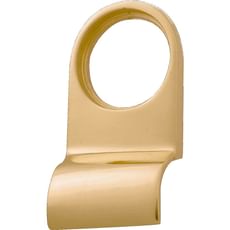
A cylinder pull is a small handle designed specifically for gripping and extracting euro cylinder locks during installation, removal, or servicing. Locksmiths and professional installers use cylinder pulls to safely remove locks without damaging the cylinder mechanism or door surface. The Yale P110 Cylinder Pull, for example, works with most Yale cylinder rim locks and provides a secure grip for extraction. If you're replacing or servicing door locks regularly, a quality cylinder pull is an essential tool that prevents damage and speeds up the job.
How do I measure for replacement door furniture?
For handles and knobs, measure the backset (distance from door edge to spindle centre) and the distance between fixing holes if replacing existing furniture. For cylinder pulls, note the cylinder type (euro, oval, rim) and measure its diameter. Also measure your door thickness to ensure adequate fixing length. Taking the old furniture with you or providing photographs with measurements ensures you get exactly the right replacement dimensions and avoids compatibility issues.
What's the difference between chrome and polished chrome finishes?
Chrome typically refers to satin or brushed chrome with a subtle, matt appearance that hides fingerprints and minor scratches effectively. Polished chrome has a mirror-like, highly reflective finish that looks striking when new but requires more maintenance to keep pristine. Both finishes offer excellent corrosion resistance suitable for UK weather conditions, making them ideal for external door applications. Your choice depends on aesthetic preference and maintenance commitment.
Do I need special tools to install door furniture?
Basic door furniture installation typically requires standard tools: cordless drill with appropriate drill bits (wood or metal depending on door type), screwdrivers, tape measure, pencil, and spirit level. More complex installations involving new lock positions may require hole saws, chisels, and mortice gauges. Many manufacturers provide templates to simplify accurate positioning. For UPVC doors, take extra care not to over-tighten fixings which can crack the material.
Can I use the same door furniture on UPVC and timber doors?
Not all door furniture is universally compatible. UPVC and composite doors often require specific fixings designed for synthetic materials, with particular screw types and tightening torques to prevent cracking. Timber doors offer more flexibility in hardware selection. Always check manufacturer specifications for door type compatibility, and ensure measurements like backset and PZ distances match your door's configuration before purchasing.