

Door Mats
Pay in 3 interest-free payments on purchases from £30-2000 with  . Learn more.
 Loading...
End of content
Error - No more pages to load
About Door Mats
Door mats are fundamental equipment for maintaining cleanliness, safety, and professional standards across domestic, commercial, and industrial environments. A quality door mat serves as the crucial first barrier against dirt, moisture, and debris being tracked indoors, protecting flooring investments and significantly reducing ongoing maintenance requirements. Whether you're a facilities manager overseeing a commercial property, a tradesperson managing site installations, or a homeowner seeking to preserve interior surfaces, selecting the appropriate door mat delivers substantial long-term value through reduced cleaning costs and extended floor life.
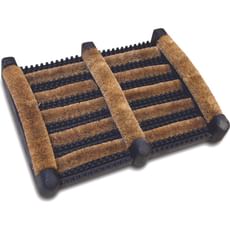
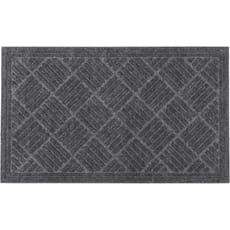
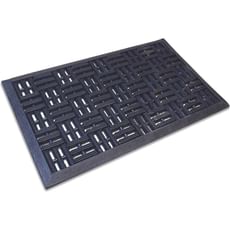
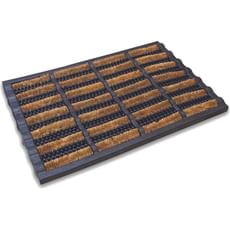
Modern door mats are engineered using various specialist materials, each optimised for specific applications and environmental conditions. Heavy-duty rubber mats provide exceptional durability and aggressive scraping action for exposed outdoor locations, whilst absorbent fabric constructions excel at capturing moisture and fine particles in interior settings. Coir matting offers traditional natural scraping properties with excellent drainage characteristics, particularly effective for covered entrance areas. Boot butler designs feature multiple surface textures specifically engineered to clean work boots and wellies, essential for construction sites and agricultural premises. Many contemporary designs incorporate recycled materials, delivering environmentally responsible solutions without compromising performance or longevity.
The comprehensive range at Tooled-Up.com features Town and Country door mats covering every requirement, from luxury absorbent runners for hallways to industrial-grade rubber trellis designs for heavy-traffic commercial environments. Professional tradespeople particularly value the robust construction and extended service life these quality mats deliver, withstanding the constant traffic and harsh conditions typical of building sites, workshop entrances, and commercial premises where inferior products fail prematurely.
Jargon Buster
- Scraper Mat – A robust mat featuring raised patterns, bristles, or aggressive surface texture designed to physically remove mud, dirt, and debris from footwear before entering buildings. Typically constructed from rubber or durable synthetic materials, essential for outdoor exposed locations.
- Barrier Mat – A secondary mat positioned after initial scraper mats, featuring absorbent materials that trap fine particles and residual moisture. Barrier mats prevent remaining contaminants spreading throughout interior spaces, particularly important in commercial settings.
- Boot Butler/Boot Scraper – Specialist mat design incorporating multiple surface textures or raised elements specifically engineered to clean soles and sides of work boots and wellies. Essential equipment for construction sites, landscaping operations, and agricultural environments.
- Coir Matting – Traditional mat material manufactured from coconut husk fibres, offering natural scraping properties with excellent drainage characteristics. Particularly effective for outdoor covered areas and eco-conscious installations.
- Rubber Backing – Non-slip underside layer preventing mat movement and potential trip hazards. Essential for safety compliance in commercial premises and workplace settings governed by HSE regulations.
- GSM (Grams per Square Metre) – Measurement indicating density and quality of fabric mats. Higher GSM values typically indicate more absorbent, durable matting suitable for heavy-traffic commercial areas.
Who Uses Door Mats?
Door mats are essential equipment across numerous trades, industries, and environments:
- Property Managers and Facilities Maintenance Teams – maintaining cleanliness and safety standards in commercial buildings, offices, and residential blocks
- Construction Professionals and Site Managers – controlling mud and debris transfer from building sites into site offices and completed areas
- Groundworkers and Landscapers – protecting vehicles and indoor spaces from soil, mud, and organic matter during projects
- Retail and Hospitality Businesses – creating professional entrance areas whilst protecting expensive flooring investments
- Warehouse and Distribution Centre Operators – managing dirt transfer in high-traffic loading bays and entrance zones
- Flooring Specialists and Carpet Fitters – protecting newly installed surfaces during snagging periods and handover
- Agricultural Workers and Equestrian Facilities – controlling mud and organic material around stable entrances and farm buildings
- Industrial and Manufacturing Units – maintaining clean production areas and meeting health and safety requirements
- Homeowners and DIY Enthusiasts – protecting domestic flooring and reducing household cleaning requirements
How to Choose the Right Door Mats
Location and Environment: Determine whether positioning will be fully outdoors, under cover, or indoors. Exterior locations exposed to British weather require rubber or synthetic materials resisting UV degradation and moisture deterioration. Indoor mats can utilise absorbent fabric constructions trapping fine particles. Covered entrance areas offer flexibility for combination approaches using both scraper and absorbent properties.
Traffic Volume and Footwear Type: High-traffic commercial environments demand heavy-duty mats with robust construction and secure rubber backing. Consider typical footwear—work boots with caked mud require aggressive scraper designs, whilst office shoes need gentler absorbent surfaces. Construction sites and industrial locations benefit from boot butler designs with multiple cleaning zones.
Primary Function Required: Identify whether scraping, absorption, or combined action is the priority. Outdoor mats should focus on scraping capability and drainage, whilst indoor mats excel at moisture absorption and fine particle capture. Many professionals implement two-stage systems with scraper mats externally and absorbent barrier mats inside.
Size and Coverage: Measure available space carefully, considering traffic patterns. Effective mats should allow at least two to three full footsteps across the surface—typically 900mm to 1500mm in length. Long hallways or corridors benefit from runner mats extending several metres. Ensure mats don't obstruct door openings or create trip hazards, and account for door swing clearance.
Maintenance Requirements: Evaluate cleaning and maintenance needs based on your circumstances. Rubber mats can be hosed down or pressure washed, making them ideal for busy sites. Fabric mats may require regular vacuuming and periodic washing. Consider whether machine-washable options suit your situation or if easily cleaned rubber designs prove more practical.
Safety and Slip Resistance: Verify mats feature non-slip backing preventing movement and complying with workplace safety requirements. Check profile won't create trip hazards, particularly important for commercial premises where HSE regulations apply. Bevelled edges help prevent catching.
Durability and Long-Term Value: Whilst budget considerations matter, cheap mats deteriorate quickly under professional use. Quality brands like Town and Country, available from Tooled-Up.com, offer superior longevity through extended service life. Look for reinforced edges, colourfast materials, and strong construction methods.
Popular Accessories
- Entrance Mat Frames – recessed frames for flush installation in commercial entrances, preventing trip hazards and providing professional appearance
- Boot Brushes and Scrapers – wall-mounted or freestanding boot cleaning stations for pre-cleaning before entering premises
- Mat Cleaning Brushes – stiff bristle brushes designed for removing trapped debris from mat surfaces during maintenance
- Anti-Slip Tape – additional security for mat positioning on smooth flooring surfaces in high-traffic areas
- Entrance Canopies and Shelters – weather protection extending the effective cleaning zone before entry points
- Indoor Floor Protection – temporary surface protection films and coverings for decorating or renovation projects
- Commercial Vacuum Cleaners – heavy-duty cleaning equipment suitable for maintaining high-traffic matting systems
- Specialist Cleaning Solutions – appropriate detergents for deep cleaning fabric mats without damaging materials or backing
Safety Information
Trip Hazard Prevention: Ensure all mats feature secure non-slip backing and lie completely flat. Curled edges or rucked-up mats present significant trip hazards, particularly in commercial environments. Mats should be appropriately sized for their location and not extend into walking routes where they might catch feet. Regular inspection helps identify worn or damaged mats requiring replacement before accidents occur.
Commercial Compliance: Businesses and tradespeople working on commercial premises should understand that entrance matting contributes significantly to slip risk management under the Health and Safety at Work Act. Properly specified and maintained door mats reduce moisture and contaminant transfer onto smooth flooring, substantially decreasing slip accident likelihood. Document mat inspection and maintenance as part of health and safety protocols for compliance purposes.
Fire Safety Considerations: In commercial settings, verify matting meets relevant fire safety standards, particularly in escape routes and areas with specific fire regulation requirements. Most quality rubber and synthetic mats offer appropriate fire-retardant properties, but check specifications for critical applications and public access areas.
Regular Maintenance for Safety: Saturated or debris-filled mats lose effectiveness and can actually increase slip risks rather than reduce them. Implement regular cleaning schedules appropriate to environmental conditions and traffic volume. Shake out, vacuum, or wash mats according to manufacturer guidance to maintain optimal performance and safety characteristics throughout their service life.
Frequently Asked Questions
What's the difference between indoor and outdoor door mats?
Outdoor mats prioritise durability, weather resistance, and scraping action to remove heavy dirt and mud. They're typically constructed from rubber or synthetic materials that drain effectively and resist UV degradation from sunlight exposure. Indoor mats focus on absorption, trapping moisture and fine particles on fabric or carpet-like surfaces. They're gentler on interior flooring and provide better aesthetic options for residential and commercial interiors. Indoor/outdoor mats offer versatility for covered porches or transitional spaces, combining moderate scraping with absorbent properties suitable for sheltered locations.
How often should commercial door mats be replaced?
Replacement frequency depends on traffic volume, environmental conditions, and maintenance quality. High-traffic commercial entrances may require replacement every 6-12 months, whilst residential or light-commercial mats can last several years with proper care. Signs indicating replacement include worn-through areas, loss of scraping or absorbent properties, curled edges creating trip hazards, or permanent staining affecting professional appearance. Quality mats like the Town and Country range available from Tooled-Up typically outlast budget alternatives by significant margins, offering better long-term value despite higher initial investment.
Can door mats be washed, and if so, how?
Washing depends on mat construction materials. Rubber and synthetic mats can be hosed down, pressure washed, or scrubbed with brushes and appropriate cleaning solutions—ideal for heavily soiled work environments. Many fabric mats are machine washable on gentle cycles using mild detergent, though always check manufacturer instructions regarding temperature limits and drying methods. Some luxury absorbent mats require hand washing or professional cleaning to preserve backing integrity. Regular vacuuming extends time between deep cleaning for fabric mats, whilst rubber mats benefit from frequent hosing to remove trapped debris.
What size door mat do I need for effective cleaning?
Effective mats should allow at least two to three full footsteps across the surface—typically 900mm to 1500mm in length. Wider mats (750mm to 900mm) accommodate side-to-side foot movement and ensure users don't bypass the cleaning zone. For commercial or high-traffic locations, longer runners extending 2-3 metres provide superior dirt and moisture capture. Consider door width, ensuring mats don't obstruct openings or extend into traffic routes where they might create trip hazards. Measure your space carefully, accounting for door swing clearance and accessibility requirements.
Are rubber mats suitable for all weather conditions?
Quality rubber mats excel in all weather conditions, maintaining functionality through rain, snow, frost, and heat. They provide excellent drainage, preventing water pooling that causes slip hazards, and resist UV degradation that deteriorates cheaper materials. Rubber construction remains flexible in cold conditions without cracking, whilst heat resistance prevents warping or degradation in summer sun. The Town and Country rubber mats are specifically designed for British weather conditions, offering year-round reliability for exposed external locations. However, ensure adequate drainage beneath the mat to prevent ice formation in freezing conditions that could create additional hazards.