

Door Security & Furniture

Pay in 3 interest-free payments on purchases from £20-£3000 with  . Learn more.
 Loading...
End of content
Error - No more pages to load
About Door Security & Furniture
Door security and furniture encompasses all the essential hardware needed to make doors functional, secure, and aesthetically pleasing throughout residential and commercial properties. This comprehensive category includes everything from basic door chains and bolts that provide additional security layers, to sophisticated overhead door closers that ensure controlled and safe door operation in high-traffic environments. Whether you're a professional locksmith upgrading a property's security system, a joiner fitting out a new build development, or a homeowner looking to enhance home security and kerb appeal, the right door hardware makes all the difference to both functionality and property value.
The range of products available from Tooled-Up.com serves multiple purposes beyond simple aesthetics. Door furniture such as lever handles, letterplates, knockers, and escutcheon plates provides the crucial interface between users and the door itself, whilst security components like anti-snap replacement cylinders, mortice latches, and wide-angle door viewers offer peace of mind and comply with insurance requirements. Modern door hardware must balance security performance, fire safety regulations, accessibility standards, and design preferences, making product selection an important consideration for any installation or refurbishment project.
Quality door security and furniture products are engineered to withstand thousands of operations over their lifetime, resisting wear, weathering, and potential forced entry attempts. From Euro cylinders meeting TS007 3-star ratings to heavy-duty door closers calibrated for specific door weights and usage frequencies, professional-grade hardware ensures long-term reliability and compliance with Building Regulations Part B and Part M. Whether securing a residential property, fitting out commercial premises, maintaining a rental portfolio, or meeting fire door certification requirements, investing in proper door hardware is essential for safety, functionality, compliance, and maintaining property value.
Jargon Buster
- Euro Cylinder
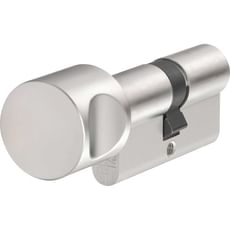
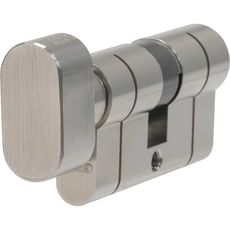
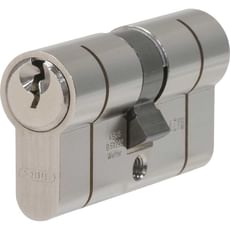
- A standardised barrel-shaped lock mechanism commonly used in uPVC, composite, and modern timber doors throughout the UK. Available in various security ratings including British Standard BS EN 1303 and anti-snap designs that resist lock snapping, picking, drilling, and bumping techniques used by intruders.
- Backset
- The distance measured from the edge of the door to the centre of the keyhole or spindle hole. Standard UK measurements are typically 44mm or 57mm for latches and locks, crucial for ensuring correct door furniture alignment and proper latch engagement with the strike plate.
- Door Closer (Overhead)
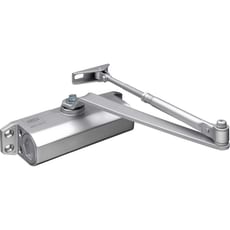
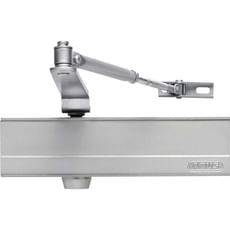
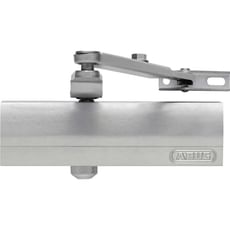
- A mechanical or hydraulic device fitted to the top of a door and frame that automatically closes the door in a controlled manner after opening. Rated by power size (EN 1-7) based on door width, weight, and exposure to wind pressure, often required for fire doors to comply with Building Regulations Part B.
- TS007 Standard
- British Standard specification for enhanced security cylinders, offering protection against lock snapping, picking, drilling, and bumping. A 3-star TS007 rating (either a 3-star cylinder alone or 1-star cylinder plus 2-star security furniture) meets Sold Secure Diamond standard and satisfies most insurance company requirements.
- Mortice Lock
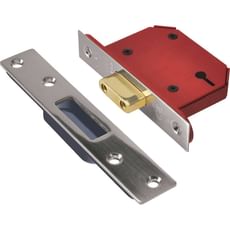
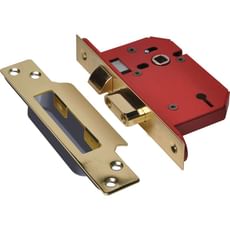
- A lock fitted into a pocket (mortice) cut into the door edge rather than surface-mounted. Five-lever mortice deadlocks meeting BS 3621 are the insurance industry standard for wooden external doors throughout the UK, providing superior security compared to rim locks.
- Night Latch
- A spring-loaded lock that automatically latches when the door closes, operated by a key from outside and a handle or snib from inside. Common on front doors throughout the UK, typically used alongside a mortice deadlock or security cylinder for comprehensive protection.
Who Uses Door Security & Furniture?
- Locksmiths - Installing, repairing, and upgrading door security systems for residential and commercial clients, responding to emergency lockouts and break-in repairs
- Joiners and Carpenters - Fitting door furniture and hanging doors as part of renovation projects, new build developments, and bespoke joinery installations
- General Builders - Installing complete door systems including all necessary security and furniture components during construction and refurbishment work
- Property Maintenance Teams - Maintaining and replacing worn or damaged door hardware in rental properties, housing associations, and commercial portfolios
- Shopfitters - Installing commercial-grade door closers, panic hardware, and access control systems for retail premises and hospitality venues
- Facilities Managers - Specifying and maintaining door hardware throughout office buildings, schools, hospitals, and public spaces to meet compliance standards
- Fire Door Inspectors - Ensuring fire doors have compliant closers, intumescent seals, and hardware that meet fire safety regulations and certification requirements
- Homeowners and DIY Enthusiasts - Upgrading home security, replacing worn door furniture, improving property appearance, and meeting insurance requirements
- Landlords - Meeting legal obligations for tenant security, maintaining properties to insurance standards, and complying with licensing requirements
- Architects and Specifiers - Selecting appropriate door hardware for new developments and refurbishment projects that meet aesthetic, functional, and regulatory requirements
How to Choose the Right Door Security & Furniture
Security Level Requirements: Assess the security needs based on location, property type, and insurance requirements. External doors typically require BS 3621 mortice locks or TS007 3-star rated cylinders to meet insurer standards and provide adequate protection. Consider anti-snap, anti-pick, anti-drill, and anti-bump features for cylinders in vulnerable locations such as ground floor doors and secluded entrances. Higher-risk properties may benefit from additional security layers including door chains, security bolts, hinge bolts, and wide-angle door viewers. Check your insurance policy documentation for specific requirements, as failing to meet these standards may invalidate claims.
Door Type and Material: Different doors require specific hardware configurations. uPVC and composite doors typically use Euro cylinders and multi-point locking strips, whilst traditional timber doors need mortice locks fitted into the door edge. Door thickness, material density, construction method, and frame type all affect which products will fit and function correctly. Measure accurately including door thickness, backset distances, and existing hardware dimensions before purchasing replacements. Glass doors, fire doors, and acoustic doors have additional considerations for hardware selection and installation methods.
Fire Safety Compliance: Fire doors must have approved overhead closers, intumescent seals, smoke seals, and compatible furniture that won't compromise the door's fire rating (typically FD30 or FD60). Check that all components carry appropriate CE marking, certification, and compatibility with the door's fire rating. Door closers for fire doors must be properly sized according to the power rating system and adjusted to ensure the door closes and latches securely from any open position, as required by Building Regulations. Self-closing devices are mandatory on fire doors in most commercial settings and increasingly in residential properties.
Accessibility and Usage: Consider who will be using the door and how frequently. Lever handles are easier for elderly users, children, and those with limited grip strength or dexterity compared to traditional knob handles, helping properties meet Building Regulations Part M accessibility requirements. Door closers should be adjusted to provide appropriate closing force without making doors difficult to open for users with mobility challenges. For high-traffic commercial settings, choose heavy-duty products with higher cycle ratings designed for frequent operation. Anti-ligature hardware may be required in healthcare settings.
Aesthetic Coordination: Door furniture contributes significantly to property appearance, character, and market value. Coordinate finishes across all visible hardware throughout the property - popular options include polished chrome, satin chrome, polished brass, antique brass, satin brass, black, and pewter finishes. Architectural style should guide selection, with period properties often benefiting from traditional designs with authentic detailing, whilst contemporary buildings suit modern minimalist hardware with clean lines. Mixing finishes within a single property can appear disjointed and reduce perceived quality.
Weather Resistance and Durability: External door furniture must withstand UK weather conditions including rain, frost, salt air in coastal locations, and industrial pollution in urban environments. Look for corrosion-resistant materials and finishes with appropriate weathering ratings - stainless steel grade 304 or 316, marine-grade solid brass, and properly powder-coated products offer superior longevity when exposed to the elements. Budget zinc alloy products may corrode rapidly when exposed to harsh conditions, leading to premature failure and increased replacement costs.
Popular Accessories
- Door Stops and Buffers - Wall-mounted or floor-fixed stops protecting walls, skirting boards, and door furniture from impact damage in high-traffic areas
- Hinge Bolts (Dog Bolts) - Additional security devices fitted to the hinge side of outward-opening doors preventing forced entry by hinge removal or door spreading
- Letter Restrictors and Draught Excluders - Security accessories for letterplates preventing fishing attacks through letterboxes and reducing heat loss around openings
- Escutcheon Plates and Key Covers - Decorative and protective plates surrounding keyholes, providing additional security and protecting door finishes from key scratches
- Key Safes and Key Boxes - Secure wall-mounted boxes for storing spare keys, popular with landlords, letting agents, carers, and holiday rental properties
- Door Numerals and Letters - House identification hardware in matching finishes to coordinate with door furniture styles throughout the property
- Spy Hole Viewers and Digital Door Viewers - Wide-angle optical or electronic devices allowing visitor identification before opening doors to strangers
- Lock Lubricants and Maintenance Products - Specialist PTFE or graphite-based lubricants for locks, cylinders, and mechanisms avoiding sticky residue build-up
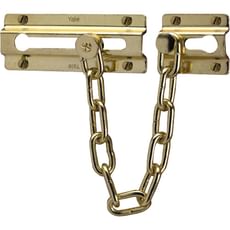
- Security Chains and Door Limiters - Additional security devices allowing doors to be opened partially for communication whilst maintaining security barrier
- Multipoint Lock Strips and Keeps - Complete locking mechanisms and strike plates for uPVC and composite door systems requiring replacement components
Frequently Asked Questions
What's the difference between a 3-star and 1-star cylinder lock?
The star rating under TS007 indicates security performance level against forced entry techniques. A 3-star rating (the highest available) requires either a 3-star cylinder alone or a 1-star cylinder plus 2-star security door furniture, providing comprehensive protection against snapping, picking, drilling, bumping, and other attack methods. This meets Sold Secure Diamond standard and is recommended by police Secured by Design schemes and most insurance companies for optimal home security. Standard 1-star cylinders offer basic security but are significantly more vulnerable to common forced entry techniques, particularly lock snapping which takes seconds with basic tools. The additional cost of 3-star rated products is minimal compared to the security benefits provided.
Do I need planning permission to change my front door furniture?
Generally, replacing door furniture like handles, knockers, letterplates, and locks doesn't require planning permission for standard residential properties as it constitutes permitted development and routine maintenance. However, listed buildings and properties in conservation areas have significant restrictions on external changes including door furniture, and you must consult your local planning authority before making any alterations to external appearance. Even where planning permission is not required, maintaining architectural consistency with the property style, period, and neighbourhood character is advisable for preserving property value and avoiding conflicts with neighbours or residents' associations. Some leasehold properties also have restrictions in the lease terms.
How do I measure for a replacement door cylinder?
Measure the cylinder with the door open for accuracy. First, remove the existing cylinder by loosening the retaining screw located in the door edge (usually requiring a Phillips or Pozidriv screwdriver) and withdrawing the barrel using the key turned to approximately 11 o'clock position. Measure from the centre of the cam (spindle hole) to each end of the barrel - this gives you the two measurements needed. A typical UK size might be 35/35mm (70mm overall), 40/40mm, or asymmetric sizes like 35/45mm depending on door thickness and furniture position. Note whether you need a single cylinder (key one side), double cylinder (key both sides), or thumb-turn cylinder (key outside, turn knob inside) depending on your door configuration and usage requirements.
Why won't my fire door stay closed properly?
Fire doors that don't close fully or latch properly usually have an incorrectly adjusted or failed door closer, which represents a serious fire safety compliance issue. The closer's closing force and latching speed may be set too low (adjustable via screws on the closer body), the door may be binding on the frame or dragging on floor coverings, hinges may be loose or damaged, or the latch and keep may not be correctly aligned. Check the closer adjustment screws (usually requiring an Allen key), ensure all hinges are tight and not worn, verify the latch projects fully and the keep is positioned correctly, and check for obstructions. Fire doors must close and latch securely from any angle to comply with Building Regulations Part B, so this requires immediate attention to maintain fire compartmentation. Tooled-Up.com stocks replacement closers and adjustment tools if existing hardware has failed.
What security measures do insurance companies require for doors?
Most UK home insurance policies require external doors to have locks meeting specific British Standards - typically BS 3621 (for mortice locks on timber doors) or TS007 3-star rating (for cylinders on uPVC and composite doors). This usually means a five-lever mortice deadlock on wooden doors, or anti-snap cylinders meeting TS007 on modern doors with multi-point locking systems. Final exit doors may have different requirements allowing night latches that can be opened from inside without keys. Requirements vary between insurers and policy types, so always check your specific policy documentation and keep proof of compliant locks being fitted, including receipts and specifications, as insurers may request evidence when assessing or processing claims. Failure to meet specified security standards can result in claim rejection or reduced settlements.