

Dovetail Cutter Bits
Pay in 3 interest-free payments on purchases from £30-2000 with  . Learn more.
 Loading...
End of content
Error - No more pages to load
About Dovetail Cutter Bits
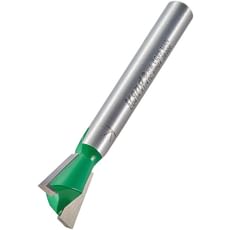
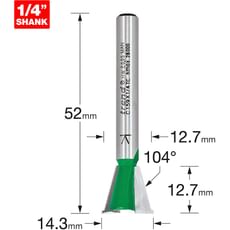
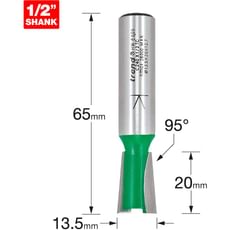
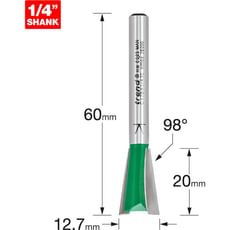
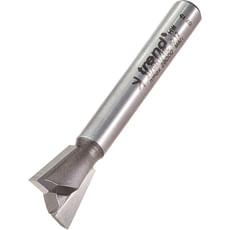
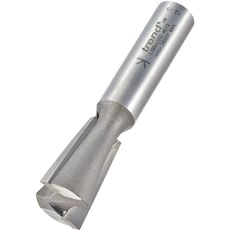
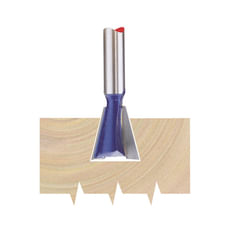
Dovetail cutter bits are precision router cutters engineered to create the characteristic angled grooves and pins essential for dovetail joinery, one of woodworking's strongest and most aesthetically pleasing joint types. Featuring a tapered carbide cutting profile, these specialised bits produce the distinctive trapezoidal shape that allows interlocking joints in drawer construction, cabinet making, and fine furniture assembly. Whether working with dedicated dovetail jigs for production work or creating traditional hand-cut style joints, quality dovetail router cutters deliver the precision needed for tight-fitting, professional results that stand the test of time.
The selection at Tooled-Up.com encompasses dovetail cutter bits from trusted manufacturers including Trend and Draper, covering standard through dovetail cutters for jig work alongside specialised stair housing cutters with left and right-hand rotation. Available in multiple angles—typically 7.5°, 9°, and 14°—these cutters accommodate different joint strengths and visual preferences. The range includes bits compatible with popular jig systems such as Trend's CRAFTPRO and Leigh dovetail jigs, ensuring compatibility with your existing workshop equipment.
Modern dovetail cutter bits feature tungsten carbide tipped (TCT) construction, delivering exceptional edge retention and clean cutting performance across hardwoods, softwoods, and manufactured boards. Many incorporate anti-kickback designs and precision-ground cutting edges that minimise tearout and produce smooth surfaces requiring minimal sanding. Whether you're a professional cabinet maker producing multiple drawer boxes daily or a DIY enthusiast tackling weekend furniture projects, investing in quality dovetail router cutters significantly improves both speed and quality in joinery work.
Jargon Buster
- Dovetail Angle: The degree of taper on the cutter, typically 7.5°, 9°, or 14°. Smaller angles (7.5°) provide stronger mechanical joints but demand greater precision, whilst larger angles (14°) offer easier assembly and more pronounced visual impact.
- Through Dovetail: A joint where pins and tails are visible on both workpiece sides, commonly seen on drawer sides. Requires specific cutter profiles and jig setups to achieve the traditional appearance.
- Half-Blind Dovetail: A joint visible from only one side, typically used where aesthetics demand a cleaner look on drawer fronts. Most dovetail jigs are designed primarily for this joint type.
- TCT (Tungsten Carbide Tipped): Router bits with cutting edges manufactured from tungsten carbide, an extremely hard material maintaining sharpness far longer than high-speed steel—essential for production work and challenging materials.
- Shank Diameter: The dimension of the bit shaft fitting into the router collet, typically 6mm, 8mm, or 1/4" in the UK. Must match your router's collet size for safe operation.
- Stair Housing Dovetail: A specialised cutter designed to create angled grooves (housings) in stair stringers that accept treads and risers, requiring left or right-hand rotation depending on which staircase side you're working.
Who Uses Dovetail Cutter Bits?
- Cabinet Makers: Professional joiners specialising in fitted and freestanding furniture who rely on dovetail joints for drawer construction and quality cabinetry.
- Furniture Makers: Craftspeople creating bespoke and reproduction furniture where traditional joinery methods are essential for both strength and authenticity.
- Joiners and Chippies: General woodworkers requiring dovetail cutters for various joinery applications including drawer assembly and decorative work.
- Staircase Installers: Specialists using stair housing dovetail cutters to create precise angled grooves in stringers for secure tread and riser installation.
- Restoration Specialists: Professionals repairing or recreating period furniture and architectural features where matching original dovetail joinery is crucial.
- Serious DIY Enthusiasts: Home woodworkers investing in quality joinery techniques for kitchen fitting, built-in furniture, or woodworking hobbies.
- Workshop Instructors: Teachers and trainers demonstrating traditional and modern joinery methods in colleges and training centres.
How to Choose the Right Dovetail Cutter Bits
Jig Compatibility: If using a dovetail jig system, ensure your cutter bit is specifically designed for that manufacturer's template system. Trend CRAFTPRO cutters work with Trend jigs, whilst Leigh jig cutters are manufactured to different specifications. Using incompatible cutters results in poor-fitting joints or potential damage to your jig.
Dovetail Angle: Consider the visual appearance and mechanical strength you require. A 7.5° angle provides the strongest joint with subtle appearance, ideal for utilitarian work. A 9° angle offers excellent balance for general cabinet making. A 14° angle creates a more pronounced, traditional look favoured in fine furniture and visible joinery.
Cutter Diameter and Length: Match the cutter size to your material thickness and joint requirements. Larger diameter cutters remove material more efficiently but require more powerful routers. Check maximum cutting depth—essential when working with thicker drawer sides or deep housing joints.
Shank Size: Verify compatibility with your router's collet. Most professional routers accept both 8mm and 1/2" shanks (using collet adapters), whilst smaller routers may be limited to 6mm or 1/4" shanks. Larger shank diameters provide better stability and reduce vibration during cutting.
Material Quality: Invest in TCT cutters from reputable brands like Trend or Draper for longevity and consistent performance. Whilst more expensive initially, quality cutters maintain their edge through hundreds of joints, producing cleaner cuts with less tearout and requiring fewer sharpening sessions.
Special Applications: For staircase work, you'll need specific left-hand or right-hand rotation stair housing dovetail cutters depending on which stringer you're machining. These specialised cutters ensure the correct angle and rotation direction for safe, accurate stair construction meeting Building Regulations.
Popular Accessories
- Dovetail Jigs: Essential guides and templates from Trend CRAFTPRO and Leigh systems that work with corresponding cutter bits to produce accurate, repeatable joints.
- Router Collets and Collet Extensions: Precision collets in various sizes (6mm, 8mm, 1/4", 1/2") to securely hold dovetail cutters and extension bars for reaching into deeper workpieces.
- Router Guide Bushes: Template followers that work with dovetail jigs to guide the cutter accurately around template fingers.
- Workpiece Clamps and Hold-Downs: Essential for securing timber firmly whilst routing dovetails, preventing movement that could ruin the joint.
- Router Speed Controllers: Allow fine adjustment of cutting speed for different timber species and cutter sizes, improving finish quality.
- Safety Equipment: Dust extraction hoses, safety glasses, hearing protection, and router dust shrouds to maintain a safe working environment.
- Cutter Storage Cases: Protective storage solutions to keep your dovetail cutters organised and edges protected between uses.
- Setting Gauges and Depth Stops: Precision tools for accurately setting cutter height and depth for consistent joint sizing.
Safety Information
Personal Protective Equipment: Always wear appropriate safety glasses or a full face shield when routing, as dovetail cutters operate at high speeds and can eject chips at dangerous velocities. Hearing protection is essential—routers typically exceed 85dB. Avoid loose clothing, tie back long hair, and never wear gloves which could catch in the rotating cutter.
Router Speed Selection: Larger diameter dovetail cutters should be run at reduced speeds to prevent overheating and maintain control. Consult manufacturer's recommendations, but generally cutters over 25mm diameter should run at 18,000-22,000 RPM rather than maximum router speed. Excessive speed can cause burning, premature wear, and dangerous kickback.
Secure Workpiece Clamping: Never attempt to rout dovetails on handheld workpieces. Always use proper clamping within a dovetail jig or secure the work to your bench. Movement during cutting can snatch the router, damage the workpiece, and cause serious injury.
Cutter Installation: Ensure dovetail cutters are inserted fully into the collet (but not bottoming out) and the collet nut is tightened securely using appropriate spanners. Check tightness before each use. Loose cutters can work free during operation with catastrophic results.
Direction of Feed: Always feed the router in the correct direction—against the rotation of the cutter when handheld, following jig manufacturer's guidance when template routing. Feeding with the rotation (climb cutting) can cause the router to snatch and run away from you.
Dust Extraction: Connect your router to suitable dust extraction meeting HSE guidelines. Router dust, particularly from hardwoods and manufactured boards, can contain harmful particulates and should never be allowed to accumulate in your workspace.
Frequently Asked Questions
What's the difference between through and half-blind dovetail cutters?
Half-blind dovetail cutters are designed for use with dovetail jigs to create joints visible from only one side, typically the drawer side, leaving a clean front face. Through dovetail cutters can create joints visible from both sides, replicating traditional hand-cut dovetails. Most router-based dovetail work uses half-blind joints as they're faster and don't require the socket board to be routed from both faces.
Can I use the same dovetail cutter for different jig systems?
No, dovetail cutters are typically designed for specific jig systems. Trend CRAFTPRO cutters work with Trend jigs, whilst Leigh jigs require Leigh-specific cutters with different dimensions and angles. Using incompatible cutters will produce poorly fitting joints and may damage your jig template. Always check compatibility before purchasing.
How do I know which angle dovetail cutter to choose?
The angle affects both strength and appearance. A 7.5° angle provides maximum mechanical strength with a subtle appearance, ideal for utilitarian drawers. A 9° angle offers excellent all-round performance for general cabinet making. A 14° angle creates the traditional, pronounced dovetail look favoured in fine furniture and visible joinery. For drawer construction, 9° is the most popular choice amongst professional cabinet makers.
Why do I need left and right-hand stair housing dovetail cutters?
Stair stringers require angled housings cut at opposing angles on the left and right sides of the staircase. Left-hand and right-hand rotation cutters ensure the dovetail angle slopes in the correct direction to prevent treads and risers from pulling out under load. Using the wrong rotation creates a structurally unsound staircase that won't meet Building Regulations.
How often should dovetail router cutters be sharpened?
TCT dovetail cutters from quality manufacturers like Trend can produce hundreds of joints before requiring sharpening. Signs that sharpening is needed include burning on the timber, increased router load, fuzzy rather than clean cuts, and excessive tearout. Professional sharpening services can restore cutters to near-new condition, though eventually the carbide will be too thin and replacement becomes necessary.