

Dovetail Saws

Pay in 3 interest-free payments on purchases from £20-£3000 with  . Learn more.
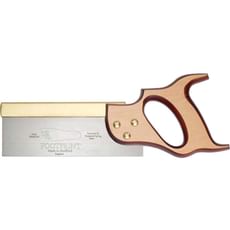
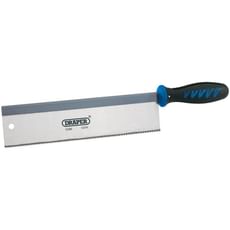
 Loading...
End of content
Error - No more pages to load
About Dovetail Saws
Dovetail saws are precision hand tools designed specifically for cutting the delicate and intricate dovetail joints that define high-quality woodworking and fine cabinetry. These specialised backsaws feature a distinctive reinforcing rib along the top edge of the blade, which prevents flexing during use and ensures perfectly straight, accurate cuts through both hardwoods and softwoods. The fine teeth and rigid blade make them indispensable for creating the interlocking pins and tails that characterise traditional dovetail joinery, where precision and clean edges are paramount.
The selection at Tooled-Up.com includes dovetail saws from respected manufacturers such as Bahco, Irwin, Draper, and Footprint, offering both traditional straight-handled designs and modern ergonomic configurations. Most models feature blade lengths between 200mm and 250mm, with fine tooth counts ranging from 15 to 22 teeth per inch (TPI). This range ensures clean, splinter-free cuts that require minimal finishing work – essential when creating joints where gaps of even a fraction of a millimetre can compromise the finished piece. Whether you're cutting through pine for a practice project or working with dense hardwoods like oak or walnut, a quality dovetail saw delivers the control and accuracy that power tools simply cannot match.
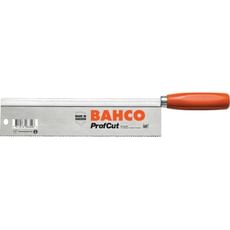
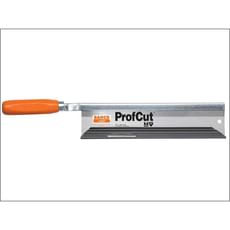
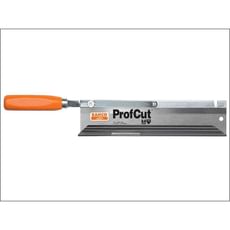
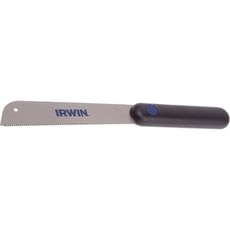
Modern dovetail saws combine time-honoured craftsmanship with contemporary materials and manufacturing techniques. Premium models feature hardpoint teeth that stay sharper for longer, comfortable handles designed to reduce wrist strain during extended use, and precisely ground blades that maintain their straightness over years of service. Some innovative designs, such as the Irwin Dovetail Pull Saw, incorporate Japanese-style pull-cutting action for enhanced control and reduced fatigue, whilst the Bahco ProfCut range includes an adjustable angle handle that allows both left and right-hand sawing where access is restricted.
Jargon Buster
- Backsaw
- A hand saw with a reinforcing rib (also called a back or spine) along the top edge of the blade that prevents bending and ensures straight, accurate cuts. Dovetail saws are a specific type of backsaw optimised for fine joinery work.
- TPI (Teeth Per Inch)
- A measurement indicating how many cutting teeth are present per inch of blade length. Higher TPI values (15-22) produce finer, smoother cuts ideal for dovetail joints, whilst lower TPI counts cut faster but with a rougher finish.
- Kerf
- The width of the cut made by the saw blade. Dovetail saws typically produce a narrow kerf, removing minimal material and allowing for precise, tight-fitting joints with less waste.
- Set
- The slight outward bend given to alternating teeth on the blade, which creates a cut slightly wider than the blade thickness. Dovetail saws have minimal set to produce fine, accurate cuts.
- Pull Saw
- A Japanese-style saw that cuts on the pull stroke rather than the push stroke, offering greater control and requiring less physical effort. The blade is in tension during cutting, which allows for a thinner blade profile.
- Hardpoint Teeth
- Saw teeth that have been specially hardened through heat treatment to maintain their sharpness significantly longer than conventional teeth, though they typically cannot be resharpened once dull.
Who Uses Dovetail Saws?
- Cabinet Makers: Professional furniture and cabinet builders who require precision joinery for high-quality bespoke pieces and fitted furniture
- Joiners and Carpenters: Tradespeople creating traditional timber frames, staircases, and architectural woodwork using authentic hand-cut joints
- Furniture Restorers: Specialists repairing antique and period furniture using traditional joinery techniques to maintain historical authenticity
- Luthiers: Musical instrument makers who demand precision cuts for intricate wooden components in guitars, violins, and other stringed instruments
- Woodworking Enthusiasts: DIY hobbyists and amateur woodworkers developing their hand tool skills and traditional joinery knowledge
- Shopfitters: Professionals creating custom retail displays, exhibition stands, and bespoke commercial fixtures requiring fine joinery
- Pattern Makers: Craftspeople producing wooden patterns and templates for casting and various manufacturing applications
- Heritage Construction Specialists: Tradespeople working on listed buildings and historical restoration projects requiring period-appropriate techniques
How to Choose the Right Dovetail Saw
Blade Length: Most dovetail saws feature blade lengths between 200mm and 250mm, which suits typical dovetail work perfectly. The 250mm Bahco ProfCut models offer generous cutting capacity whilst remaining manoeuvrable, whilst shorter blades provide greater control for particularly delicate work or confined spaces.
Teeth Per Inch (TPI): Consider your typical workload carefully. For general dovetail cutting in hardwoods like oak, ash, or beech, a saw with 15-18 TPI provides an excellent balance of cutting speed and finish quality. For exceptionally fine work or dense exotic hardwoods, opt for 20-22 TPI. The Bahco range offers 15 TPI options that handle most applications admirably.
Handle Style and Ergonomics: Traditional straight handles offer classic aesthetics and work well for experienced users comfortable with conventional techniques. Angled or pistol-grip handles, like those on the Bahco ProfCut models, provide improved ergonomics and reduced wrist strain during extended cutting sessions. The Bahco adjustable angle handle is particularly versatile, allowing you to customise the angle to suit your working position and hand preference.
Push Cut vs Pull Cut: Traditional Western-style saws cut on the push stroke and are familiar to most UK woodworkers. Japanese-style pull saws, exemplified by the Irwin Dovetail Pull Saw, cut on the pull stroke and offer greater control with less physical effort, though they require some adjustment if you're accustomed to conventional saws. Consider trying both styles if possible.
Blade Material and Tooth Quality: Look for hardened steel blades that maintain their sharpness over time. Hardpoint teeth, as featured on the Draper model, stay sharp considerably longer than conventional teeth, though they cannot typically be resharpened. Premium saws from Bahco and Footprint are renowned for their blade quality and longevity.
Budget and Frequency of Use: Professional cabinet makers working daily should invest in premium models from Bahco or Footprint that will withstand constant use and deliver consistent results. Hobbyists and occasional users might find excellent value in the Draper Hardpoint Dovetail Saw, which offers solid performance at a more accessible price point.
Popular Accessories
- Dovetail Markers and Templates: Precision marking tools and adjustable templates from brands like Stanley and Bahco for laying out dovetail joints accurately before cutting
- Bench Hooks: Essential work-holding accessories that provide a stable cutting surface and protect your workbench from saw damage
- Engineer's Squares and Sliding Bevels: Precision marking and measuring tools from Bahco, Stanley, and Irwin for accurate angle setting and joint layout
- Bevel-Edge Chisels: High-quality chisels for removing waste material between dovetail cuts and fine-tuning joint fit for perfect assembly
- Coping Saw: Complementary saw for removing waste material from dovetail sockets, particularly useful for through dovetails
- Marking Gauges: Traditional or wheel-style marking gauges for scribing baseline cuts and establishing consistent joint depths
- Saw Files: Specialist triangular files for sharpening and maintaining traditional saw teeth when required
- Workbench Vices: Quality woodworking vices for secure work-holding during cutting operations, essential for safe and accurate work
- Japanese Waterstones: For maintaining associated chisels and hand planes used in conjunction with dovetail work
- Tool Storage Solutions: Stanley FatMax or Makita MakPac systems for organised tool storage and protection during transport
Safety Information
Whilst dovetail saws are considerably safer than power equipment, proper safety practices remain essential for injury-free woodworking. Always secure your workpiece firmly in a vice or against a bench hook before cutting – never attempt to hold timber by hand whilst sawing. Keep your non-cutting hand well clear of the blade path at all times, and maintain full concentration throughout each cut to avoid slips.
Ensure adequate lighting in your workspace to see cutting lines clearly and prevent eye strain during detailed work. When not in use, store dovetail saws with blade guards or in protective sleeves to prevent accidental contact with the sharp teeth and to protect the precision-ground blade from damage. Keep your work area clean and free from offcuts that could cause trips or slips, particularly important when working with small components.
Maintain your saw properly by keeping teeth sharp and free from resin build-up – dull saws require excessive force that can lead to slips and injuries. Wear safety glasses to protect against fine sawdust, particularly when working with treated timber, MDF, or exotic hardwoods that may cause respiratory irritation. If you're new to dovetail cutting, practise on scrap timber before attempting important projects, and consider seeking guidance from experienced woodworkers or attending a traditional joinery course at a local college or woodworking school.
Frequently Asked Questions
What's the difference between a dovetail saw and a tenon saw?
Both are backsaws, but dovetail saws are smaller with finer teeth (typically 15-22 TPI) designed for delicate joinery work and precise cuts in thinner stock. Tenon saws are larger with coarser teeth (10-14 TPI) intended for cutting larger joints like tenons and general crosscutting in thicker timber. The dovetail saw's finer tooth count produces smoother cuts with less tearout, essential for the tight-fitting joints required in dovetail work where even minor imperfections are visible.
Can I use a dovetail saw for other woodworking tasks?
Absolutely. Whilst optimised for dovetail joints, these saws excel at any fine crosscutting work including small mitres, cutting dowels flush, trimming wooden plugs, and general precision work in solid timber and manufactured boards. Their fine teeth make them ideal whenever you need a clean, accurate cut without tearout. However, they're not suitable for rip cutting along the grain or cutting thick stock where a larger saw would be more efficient and less tiring to use.
How do I know when my dovetail saw needs sharpening?
Signs that your saw needs attention include requiring excessive pressure to cut, producing rough or torn edges, wandering off your marked line, or creating excessive sawdust rather than fine shavings. A sharp dovetail saw should cut smoothly with minimal pressure, following your marked lines precisely with just the weight of the saw providing most of the cutting force. Note that hardpoint saws cannot be resharpened and must be replaced when dull, whilst traditional saws can be professionally sharpened or you can learn to sharpen them yourself with specialist files.
Should I choose a push-cut or pull-cut dovetail saw?
This largely comes down to personal preference and what feels most natural to you. Traditional Western-style push saws (like the Bahco and Footprint models available from Tooled-Up) are familiar to most UK woodworkers and offer excellent control with a cutting action most people find intuitive. Japanese-style pull saws (like the Irwin model) require less effort as the blade is in tension during the cutting stroke, and some users find them easier to control, particularly when starting cuts. If possible, try both styles before committing – many experienced woodworkers keep both types in their toolkit for different situations.
What thickness of timber can a dovetail saw handle?
Most dovetail saws comfortably cut timber up to 50-75mm thick, which covers the vast majority of dovetail applications in drawer sides, box construction, and cabinet work. The limiting factor is typically the depth of the blade (usually 60-80mm from the back to the tooth line). For thicker stock, you'd normally use a larger backsaw or tenon saw for initial cuts, though the fine finish of a dovetail saw makes it ideal for the final fitting cuts regardless of timber thickness. The 250mm Bahco models offer generous depth capacity for most workshop applications.