

Dowel Pins

Pay in 3 interest-free payments on purchases from £20-£3000 with  . Learn more.
 Loading...
End of content
Error - No more pages to load
About Dowel Pins
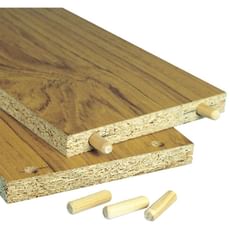
Dowel pins are essential components in woodworking and joinery, providing strong, precise alignment for joining two pieces of timber together. These cylindrical wooden pins fit into pre-drilled holes, creating invisible joints that are both structurally sound and aesthetically pleasing. Whether you're assembling furniture, constructing cabinets, or undertaking fine joinery work, dowel pins offer a reliable alternative to traditional mortise and tenon joints or modern mechanical fixings.
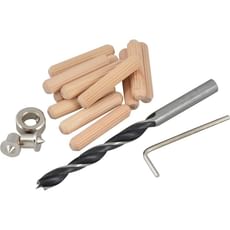
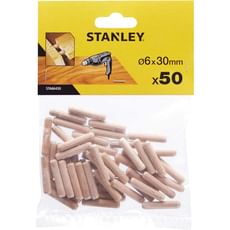
The comprehensive range at Tooled-Up.com includes everything from individual fluted wood dowels in various diameters to complete dowel kits with jigs and drill stops. Fluted dowels feature grooves along their length that allow excess glue and trapped air to escape, ensuring a stronger bond and preventing joint failure. Products from trusted brands including Faithfull, Stanley, and Trend are designed to meet the exacting standards required by professional tradespeople and serious DIY enthusiasts.
Beyond the dowels themselves, essential tools for accurate dowel joinery are also available. Dowel jigs ensure perfectly aligned holes across both joining pieces, while dowel drill stops prevent over-drilling and maintain consistent hole depth. Centre point markers help transfer hole positions with precision, eliminating the guesswork from what can be a demanding technique. Together, these products form a complete dowelling system that delivers professional results every time.
Jargon Buster
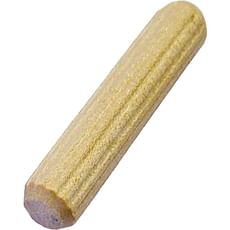
- Fluted Dowels – Dowels with longitudinal grooves cut along their length. These grooves allow excess adhesive and air to escape during assembly, creating a stronger, more reliable joint than smooth dowels.
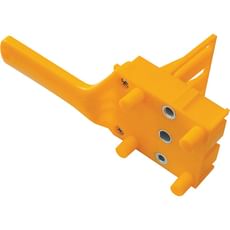
- Dowel Jig – A guiding tool that clamps to your workpiece and ensures drill holes are positioned accurately and at the correct angle. Essential for achieving perfectly aligned dowel joints without specialist machinery.
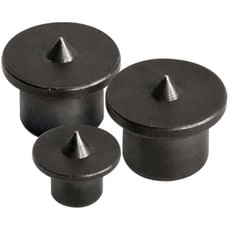
- Dowel Centres (Centre Points) – Small metal markers inserted into drilled holes on one workpiece that leave an impression on the mating piece, showing exactly where corresponding holes should be drilled.
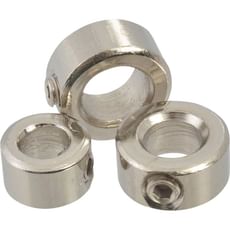
- Drill Stop – A collar that fits around a drill bit to limit drilling depth, ensuring all dowel holes are uniform and preventing the bit from drilling through the workpiece.
- Chamfered End – The slightly tapered or bevelled end of a dowel that makes insertion easier and prevents damage to the hole edge during assembly.
Who Uses Dowel Pins?
Dowel pins and dowelling systems are used by a wide range of trades and craftspeople, including:
- Joiners and Cabinet Makers – for constructing bespoke furniture, fitted wardrobes, and kitchen cabinets with invisible, strong joints
- Carpenters and Chippies – for general construction work, door frames, and architectural woodwork on site
- Furniture Manufacturers – for production assembly of chairs, tables, and flat-pack furniture components
- Shopfitters – for creating display units, counters, and retail fixtures with clean, professional finishes
- Restoration Specialists – for repairing antique furniture and period joinery using traditional techniques
- DIY Enthusiasts – for home woodworking projects, shelving units, and furniture assembly requiring professional-quality joints
- Model Makers and Craftspeople – for precision alignment in smaller-scale projects and specialist applications
How to Choose the Right Dowel Pins
Selecting the appropriate dowel pins and accessories depends on several key factors:
Dowel Diameter: Common sizes include 6mm, 8mm, and 10mm. Choose a diameter appropriate to your material thickness – as a rule of thumb, dowel diameter should be approximately one-third to one-half the thickness of the thinnest piece being joined. Smaller diameters (6mm) suit lighter work and thinner stock, whilst 10mm dowels provide greater strength for substantial furniture.
Dowel Length: Select a length that allows the dowel to penetrate adequately into both pieces without bottoming out. Typically, each end of the dowel should extend into the timber by 1.5 to 2 times the dowel's diameter. Pre-cut dowels are available in standard lengths, or you can purchase dowel rods to cut to your required dimensions.
Fluted vs Smooth: Fluted dowels are generally preferred for furniture and joinery work as the grooves facilitate better glue distribution and allow trapped air to escape. Smooth dowels may be used for purely mechanical applications or where you're working with very hard timbers.
Complete Kits or Individual Components: If you're new to dowelling, a comprehensive kit with jig, drill stops, dowels, and centre points offers excellent value and ensures you have everything needed. Experienced users may prefer to purchase individual components to replenish supplies or upgrade specific tools like the Faithfull Quick Dowelling Jig or Trend centre point packs.
Material Quality: Look for dowels made from hardwood species that offer dimensional stability and won't compress under load. Beech and birch are commonly used for their strength and consistency. Brands like Stanley and Faithfull maintain strict quality standards to ensure straight, accurately sized dowels.
Popular Accessories
To achieve the best results with dowel joinery, consider these complementary products available from Tooled-Up:
- Wood Adhesives – PVA wood glue or polyurethane adhesives specifically formulated for timber joints
- Drill Bits – High-quality brad point or lip and spur bits in matching dowel diameters for clean, accurate holes
- Clamps – Sash clamps, bar clamps, or quick-release clamps to hold assemblies whilst the adhesive cures
- Marking and Measuring Tools – Combination squares, marking gauges, and pencils for precise layout
- Sanders – For flushing off any protruding dowel ends and finishing joint surfaces
- Workbenches and Vices – Secure work holding essential for accurate drilling and assembly
- Dust Extraction – To maintain a clean working environment when drilling multiple dowel holes
Safety Information
Whilst dowel pins themselves present minimal safety concerns, the tools used in dowelling require proper precautions:
Power Tool Safety: Always wear appropriate eye protection when drilling, as wood chips and dust can cause injury. Ensure drill bits are sharp and properly secured in the chuck. Follow HSE guidelines for electrical safety, checking that 240v power tools are properly maintained with intact cables and plugs.
Dust Control: Drilling operations generate wood dust, which can be harmful when inhaled over prolonged periods. Use dust extraction where possible, or wear a suitable dust mask conforming to BS EN standards. Maintain good workshop ventilation.
Work Holding: Always secure workpieces properly before drilling. Handheld drilling into small pieces can result in the bit grabbing and spinning the workpiece, potentially causing injury. Use clamps, vices, or a dowelling jig to stabilise materials.
Adhesive Handling: Work in a well-ventilated area when using wood glues. Some adhesives may cause skin irritation, so consider wearing disposable gloves during assembly. Follow COSHH guidelines for any chemical products used in your workshop.
Frequently Asked Questions
What's the difference between dowel pins and dowel rods?
Dowel pins are pre-cut to standard lengths (typically 25mm to 50mm) with chamfered ends, ready for immediate use in joinery. Dowel rods are longer lengths of dowel material that you cut to your required size, offering more flexibility but requiring additional preparation.
How many dowels do I need per joint?
This depends on the joint size and load requirements. For typical furniture construction, two 8mm dowels are sufficient for most frame joints. Wider surfaces like table aprons or cabinet sides may require three or more dowels spaced evenly across the joint. A general guideline is to space dowels approximately 75-100mm apart.
Can I use dowels in MDF or chipboard?
Yes, though engineered boards don't hold dowels as securely as solid timber. Use larger diameter dowels (10mm) and ensure adequate penetration depth. Some joiners prefer to use confirmation screws or biscuit joints for manufactured boards, as these may provide better holding power in less dense materials.
Do I really need a dowelling jig?
Whilst experienced woodworkers can drill dowel holes freehand using careful measurement and marking, a dowelling jig dramatically improves accuracy and consistency, especially for beginners. The modest investment pays dividends in perfectly aligned joints and eliminates frustrating assembly problems caused by misaligned holes.
How tight should dowels fit in their holes?
Dowels should fit snugly but not require excessive force to insert. If you need to hammer dowels home with heavy blows, the holes are too small and you risk splitting the timber. A proper fit allows hand pressure or light tapping with a mallet, with the flutes providing space for adhesive whilst maintaining alignment.