

Drain & Pipe Cleaning Tools
Pay in 3 interest-free payments on purchases from £30-2000 with  . Learn more.
 Loading...
End of content
Error - No more pages to load
About Drain & Pipe Cleaning Tools
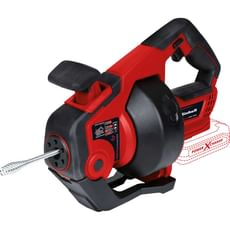
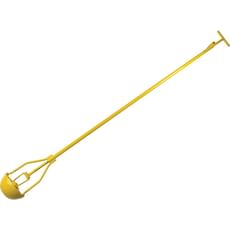
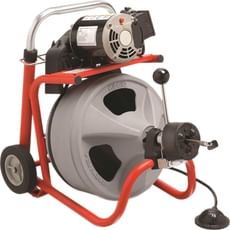
Drain and pipe cleaning tools are indispensable equipment for clearing blockages, maintaining drainage systems, and ensuring the smooth flow of water through domestic and commercial pipework. This comprehensive category encompasses everything from simple hand plungers for minor sink blockages to sophisticated motorised drain augers capable of tackling the most stubborn obstructions in main drainage lines. Whether dealing with a blocked toilet, clearing leaves from external gullies, or addressing tree root ingress in underground drainage systems, having the right drain cleaning equipment can save significant time, expense, and the inconvenience of emergency plumbing call-outs.
The range available includes manual drain rods that extend to reach distant blockages in inspection chambers, specialised attachments for different obstruction types, powerful drain pumps for removing standing water, and flexible drain snakes that navigate bends in internal pipework. Professional plumbers and drainage specialists depend on robust, commercial-grade tools built to withstand daily site work, whilst homeowners and DIY enthusiasts can find user-friendly options for occasional maintenance tasks. Modern drain cleaning equipment features corrosion-resistant materials, ergonomic handles for comfortable operation, and innovative designs that make drainage work more effective and hygienic than ever before.
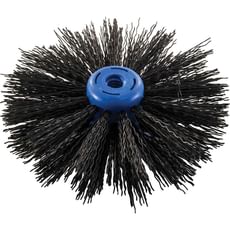
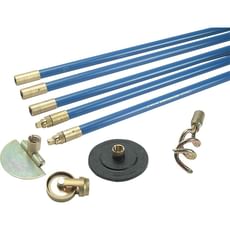
Understanding which tool suits specific drainage problems is crucial for achieving effective results without damaging pipework. Options range from basic force-cup plungers for minor sink blockages through to heavy-duty powered augers that cut through compacted debris in 110mm main drainage lines. Many professional contractors invest in complete drain rod sets with interchangeable heads—including worm screws, brushes, scrapers, and rubber plungers—providing versatility for different blockage types and locations. Tooled-Up.com stocks equipment from trusted manufacturers including Silverline, Draper, and specialist drainage brands, ensuring reliable performance whether you're a professional drainage contractor or a homeowner tackling routine maintenance.
Jargon Buster
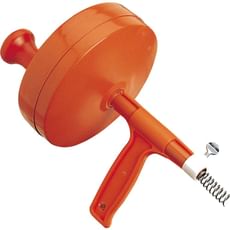
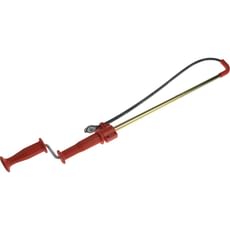
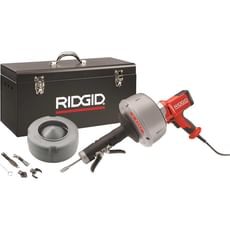
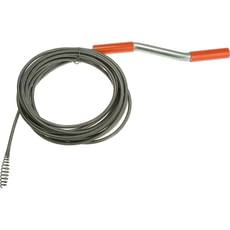
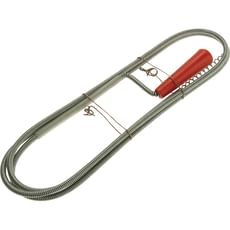
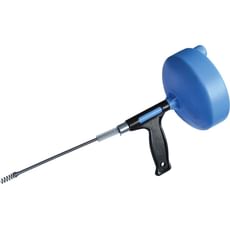
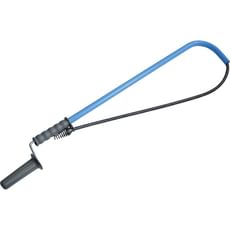
- Drain Auger (Drain Snake): A flexible cable or rod with a rotating head designed to navigate through pipework bends and break up or retrieve blockages. Available in manual hand-crank versions for occasional use or powered models with 240v motors for professional applications requiring regular operation.
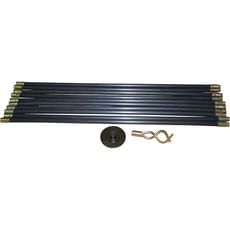
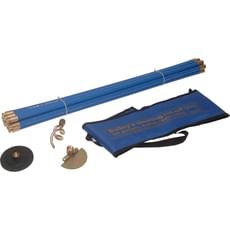
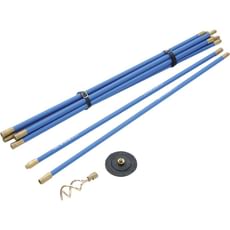
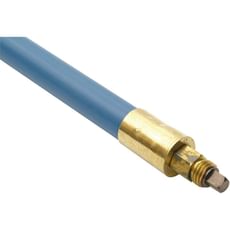
- Drain Rods: Flexible polypropylene or fibreglass rods that screw together to create extended lengths, allowing you to reach blockages in external drains, inspection chambers, and underground pipework without excavation. Professional sets typically extend to 15-30 metres.
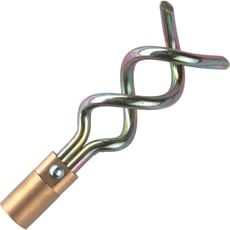
- Worm Screw (Corkscrew Head): A spiral attachment that threads into soft blockages like fabric, paper, or organic matter, allowing you to pull obstructions back through the system rather than pushing them further down. Double worm screws provide enhanced grip on stubborn blockages.
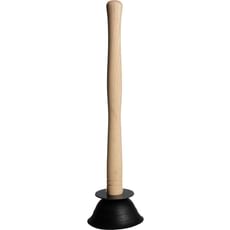
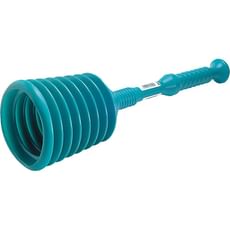
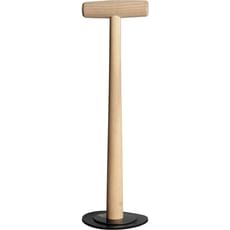
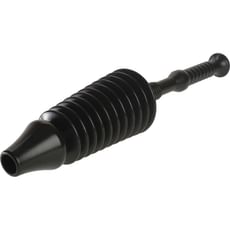
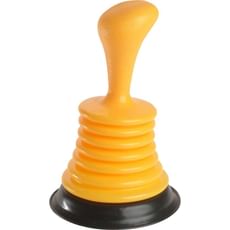
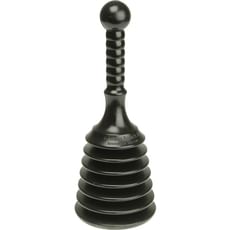
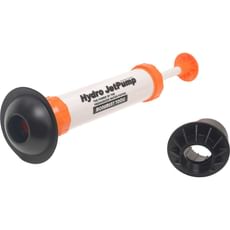
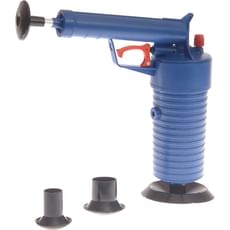
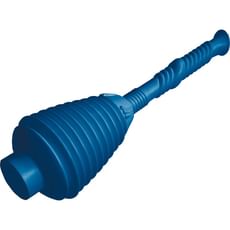
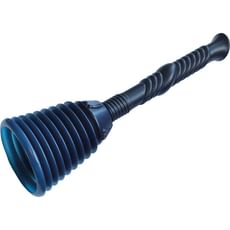
- Force Cup Plunger: A rubber or plastic cup that creates suction and pressure when pumped over drain openings, using hydraulic force to dislodge blockages in sinks, toilets, and shower traps. Bellows-style plungers offer increased force for stubborn blockages.
- Inspection Chamber (Manhole): Access points built into underground drainage systems, allowing visual inspection and providing entry points for drain rods and cleaning equipment to reach blockages in main drainage runs between the property and public sewers.
- Gully: An external drainage point, typically found at ground level outside properties, where waste water from kitchens, bathrooms, and surface water enters the underground drainage system. Often protected by a grid that can trap leaves and debris.
Who Uses Drain & Pipe Cleaning Tools?
Drain and pipe cleaning tools are essential equipment for various trades and users:
- Plumbers and heating engineers who regularly encounter blocked waste pipes, soil stacks, and drainage systems during installation and maintenance work
- Drainage specialists and contractors who focus specifically on clearing and maintaining commercial and domestic drainage infrastructure using professional-grade equipment
- Property maintenance teams responsible for keeping rental properties, commercial buildings, and housing estates operational with minimal downtime
- Facilities managers maintaining drainage systems in schools, hospitals, care homes, and commercial premises where blockages can cause significant disruption
- Local authority maintenance crews managing public drainage infrastructure and responding to drainage emergencies across their jurisdictions
- Homeowners and DIY enthusiasts tackling occasional blockages and performing routine drainage maintenance to avoid costly emergency call-outs
- Landlords and property managers keeping basic drain clearing equipment on hand for quick response to tenant issues without waiting for contractors
- Groundworkers and builders clearing drainage systems during renovation projects or ensuring newly installed systems flow correctly before handover
How to Choose the Right Drain & Pipe Cleaning Tools
Selecting appropriate drain cleaning equipment depends on several important factors:
Type and Location of Blockage: Internal sink and toilet blockages typically require plungers or short drain snakes measuring 3-10 metres, whilst external drain blockages need longer drain rod sets. Consider whether you're dealing with kitchen waste (grease and food debris), bathroom waste (hair and soap scum), or external drains (leaves, silt, and tree roots). Each blockage type responds best to specific tools and attachments—worm screws for soft material, scrapers for compacted debris, and brushes for general cleaning.
Frequency of Use: Professional tradespeople require commercial-grade tools built to withstand daily use on multiple sites, often featuring reinforced construction, metal connectors, and professional warranties. Homeowners managing occasional blockages can opt for lighter-duty equipment that balances capability with value. Consider whether investing in a comprehensive drain rod set with multiple attachments from Tooled-Up provides better long-term value than purchasing basic single-purpose tools.
Drain Diameter and Length: Measure or estimate the diameter of your pipework—domestic waste pipes typically range from 32mm (basin wastes) to 110mm (main drainage lines). Ensure drain rods or augers can navigate the pipe diameter without becoming stuck, and that you have sufficient length to reach the blockage. External drains may require 10-15 metres or more of connected rods to reach distant inspection chambers, particularly on larger properties or commercial sites.
Manual vs. Powered Operation: Hand-operated drain rods and plungers are affordable, portable, and require no power source, making them ideal for external drains and emergency situations where electricity isn't available. Motorised drain augers and power snakes offer superior cutting power for stubborn blockages and reduce physical effort during extended clearing operations, but require 240v electrical supply or battery power and represent a larger investment suited to professional use or frequent applications.
Material Quality and Durability: Professional-grade drain rods manufactured from flexible polypropylene or fibreglass resist breakage and corrosion even with regular exposure to sewage and harsh conditions, whilst cheaper alternatives may snap under pressure or perish quickly. Metal drain snakes should feature corrosion-resistant finishes such as zinc plating, and attachments should be robustly constructed to withstand the forces involved in breaking up compacted blockages without bending or breaking.
Storage and Portability: Consider how and where you'll store drain cleaning equipment between uses. Professional contractors benefit from organised storage cases that keep rods, attachments, and accessories together whilst protecting them from damage during transit in vans. Homeowners need tools that store compactly without taking up excessive garage or shed space, with some drain rod sets featuring integrated storage tubes that keep everything organised.
Popular Accessories
Enhance your drain cleaning capabilities with these complementary products available from Tooled-Up:
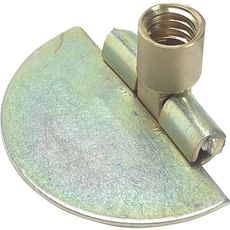
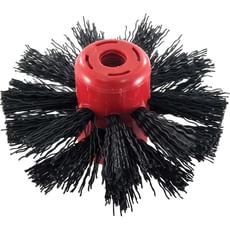
- Additional drain rod attachments including double worm screws, rubber plungers, scraper blades, and brushes for tackling different blockage types
- Drain rod connectors and extension accessories to increase reach and ensure secure connections between rod sections
- Inspection cameras and endoscopes for identifying blockage locations and assessing pipe condition before starting clearance work
- Chemical drain cleaners and enzyme-based maintenance products for dissolving organic matter and maintaining clear pipework (always use with appropriate PPE)
- Drain testing equipment including smoke pellets and dye tracers to identify drainage routes, connections, and leaks in complex systems
- Water jetting equipment and pressure washers for high-pressure cleaning of drainage systems after mechanical clearance
- Protective gloves, coveralls, and waterproof clothing to maintain hygiene when working with drainage systems and sewage
- Buckets, containers, and absorbent materials for managing water and debris during drain clearing operations
- Disinfectants, antibacterial hand sanitisers, and cleaning supplies for maintaining hygiene after completing drainage work
- Tool storage solutions including dedicated bags, cases, and organisers for keeping equipment clean, dry, and accessible
Safety Information
Working with drainage systems presents several health and safety considerations that must be addressed:
Personal Protective Equipment: Always wear appropriate PPE when working with drains and sewage systems. This should include waterproof gloves rated for chemical resistance (typically nitrile or neoprene), safety glasses or face shields to protect against splashes, and waterproof clothing or coveralls to prevent contact with contaminated water. Consider respiratory protection when working in confined spaces or with strong chemical cleaners. The HSE provides comprehensive guidance on appropriate PPE for drainage work under COSHH regulations.
Biological Hazards: Drainage systems contain bacteria (including E. coli and Salmonella), viruses, and other pathogens that can cause serious illness including gastroenteritis and Weil's disease. Never allow drainage waste to contact cuts, wounds, or mucous membranes. Wash hands thoroughly with antibacterial soap after completing work, even when gloves have been worn throughout. Keep first aid supplies readily available and seek immediate medical attention if exposure to sewage occurs, particularly if you have open wounds.
Chemical Safety: If using chemical drain cleaners alongside mechanical tools, read and follow all manufacturer instructions carefully. Never mix different chemical products, as dangerous reactions producing toxic fumes or heat can occur. Ensure adequate ventilation when using chemical cleaners, particularly in enclosed spaces. Never use chemicals in combination with high-pressure equipment, as this can cause dangerous splashing or chemical spray that may contact skin or eyes.
Physical Hazards: Take care when handling drain rods and augers, as they can whip or spring back unexpectedly when released from blockages, potentially causing injury. Maintain secure footing when working around inspection chambers and drain openings, particularly in wet conditions where slipping hazards exist. When working with powered augers operating from 240v supply, ensure loose clothing, jewellery, and hair cannot become entangled in rotating components, and always disconnect power before changing attachments or performing maintenance.
Confined Spaces: Never enter inspection chambers, manholes, or other confined spaces within drainage systems without proper confined space training, atmospheric testing equipment, and appropriate rescue arrangements in place. Toxic gases (including methane and hydrogen sulphide), oxygen depletion, and drowning risks make confined space entry extremely dangerous without proper precautions and HSE-compliant procedures including permits to work and standby personnel.
Frequently Asked Questions
What's the difference between drain rods and drain snakes?
Drain rods are semi-rigid, screw-together sections typically used for external drains and underground pipework, operated by pushing and rotating from above ground level. Drain snakes (augers) are flexible cables that can navigate multiple bends in internal pipework and are often used for sinks, baths, and toilets. Rods excel at reaching distant blockages in relatively straight runs and between inspection chambers, whilst snakes are better suited to internal plumbing with 90-degree bends and tight curves that rigid rods cannot navigate.
How long should my drain rod set be?
For domestic use, a set providing 10-15 metres of total length handles most situations, reaching from accessible inspection chambers to typical blockage points in standard properties. Professional drainage contractors often require 20-30 metres or more for commercial properties, large residential buildings, and extensive drainage systems. Consider the distance between inspection chambers on your property—you'll need sufficient length to reach from one access point to the next, plus extra capacity for manoeuvring and working the blockage effectively.
Can I use drain cleaning tools on all types of pipes?
Modern plastic pipes (PVC, ABS, and polypropylene) and cast iron drainage pipes can safely accommodate drain rods and appropriate attachments when used correctly. However, exercise caution with older clay pipes, which may be fragile, cracked, or suffering from age-related deterioration. Avoid excessive force that could cause further damage or complete pipe failure. Very small diameter pipes (under 32mm) may not accommodate standard drain cleaning tools. Always select tools and attachments sized appropriately for your pipe diameter, and avoid metal scrapers on plastic pipework where possible to prevent scratching that can encourage future debris accumulation.
Should I hire a professional or buy my own drain cleaning equipment?
For one-off or rare blockages, hiring a professional drainage contractor is usually cost-effective and ensures proper diagnosis and clearance without risk of damaging pipework through inexperience. However, if you're a tradesperson regularly encountering drainage issues, a property manager maintaining multiple buildings, or a homeowner with recurring blockage problems (perhaps due to tree roots or system design), investing in your own equipment quickly pays for itself. Basic drain rod sets and plungers are affordable enough for most homeowners to keep on hand for emergency situations, potentially saving hundreds of pounds in call-out fees.
Why does my drain keep blocking even after clearing?
Recurring blockages often indicate underlying problems beyond simple obstructions. Common causes include incorrect pipe falls (insufficient gradient for effective gravity drainage), damaged or collapsed pipes preventing proper flow, tree root ingress through joints or cracks, or accumulation of fats, oils, and grease (FOG) that reforms after mechanical clearance. If blockages recur frequently despite proper clearing, consider arranging a CCTV drainage survey to identify structural issues requiring repair. Regular preventative maintenance using appropriate tools and periodic use of biological enzyme drain cleaners can help prevent blockage reformation in systems prone to grease build-up or organic matter accumulation.