

Drain Rod Plungers

Pay in 3 interest-free payments on purchases from £20-£3000 with  . Learn more.
Loading...
End of content
Error - No more pages to load
About Drain Rod Plungers
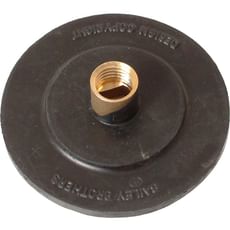
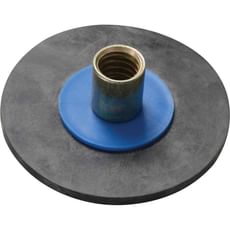
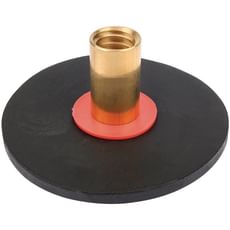
Drain rod plungers are essential attachments designed to work with standard drain rods for clearing blocked drains, pipes, and sewers in domestic and commercial properties. These robust plunger heads create a powerful hydraulic push-pull action that dislodges stubborn blockages caused by waste accumulation, organic debris, toilet paper, and other obstructions within drainage systems. When attached to flexible drain rods, they provide a cost-effective and practical solution for maintaining free-flowing drainage without resorting to expensive professional call-outs or potentially harmful chemical drain cleaners.
The drain rod plungers available at Tooled-Up are manufactured in various designs, including universal fit plungers with standard BSP threading and lockfast systems that prevent accidental disconnection during use. Constructed from durable rubber compounds, these plunger heads are engineered to withstand the harsh conditions found within drainage systems, including exposure to waste water, mild acids, and temperature variations. The flexible rubber cup compresses and expands within the pipe, creating hydraulic pressure waves that break up blockages and restore normal water flow. Quality brands such as Bailey and Draper manufacture plungers with reliable threading that ensures secure connections throughout the rodding process.
Whether tackling a blocked toilet waste pipe, clearing a garden drain clogged with leaves, or addressing more serious sewer blockages, selecting the appropriate drain rod plunger attachment is essential for effective clearance. These tools are designed for repeated use and, when properly maintained and stored, will deliver years of dependable service for professional drainage contractors, property maintenance teams, and homeowners undertaking DIY drainage maintenance.
Jargon Buster
- Lockfast Connection: A secure threaded connection system that prevents drain rods and attachments from unscrewing during use, particularly important when rotating clockwise to navigate bends or break through stubborn blockages.
- Universal Fit: Drain rod attachments featuring standard British thread sizes (typically 3/4 inch BSP) that are compatible with most drain rod sets available in the UK market, regardless of manufacturer.
- Plunger Cup: The flexible rubber head of the plunger that creates a seal within the drain pipe, generating the hydraulic pressure necessary to dislodge blockages through compression and expansion.
- BSP Thread: British Standard Pipe thread, the standard threading used on UK drain rods and attachments to ensure secure, leak-resistant connections between components.
- Push-Pull Action: The technique of alternately pushing and pulling drain rods fitted with a plunger to create pressure waves that break up and move blockages through the drainage system.
- One-Piece Moulded: Plungers manufactured as a single continuous rubber component without joints or seams, providing superior durability and resistance to splitting or separation during intensive use.
Who Uses Drain Rod Plungers?
- Plumbers conducting routine drain maintenance and emergency blockage clearance as part of their daily service work
- Drainage engineers and specialist drainage contractors dealing with domestic and commercial drainage systems
- Property maintenance professionals responsible for upkeep of rental properties, housing estates, and commercial buildings
- Facilities managers maintaining drainage systems in schools, hospitals, hotels, and office complexes
- Local authority maintenance teams responsible for public drainage infrastructure and property maintenance
- Homeowners and DIY enthusiasts tackling blocked drains and preventative drainage maintenance around their properties
- Caravan and motorhome owners maintaining waste water systems in their vehicles
- Groundskeepers and estate managers clearing outdoor drains, gullies, and surface water drainage systems
- Caretakers and building supervisors responsible for maintaining drainage in multi-occupancy buildings
How to Choose the Right Drain Rod Plungers
Begin by confirming compatibility with your existing drain rods. Most UK drain rods feature standard 3/4 inch BSP threading, but it's essential to verify whether you have a universal fit system or a specific lockfast design. Lockfast systems from manufacturers like Bailey offer enhanced security, eliminating the frustrating problem of attachments unscrewing mid-job when working through particularly stubborn blockages or navigating complex pipework.
Consider the diameter of the drainage systems you'll be working on. Plunger heads are available in different sizes to suit various pipe diameters, from smaller 75mm waste pipes through to larger 150mm sewer drains. A plunger that's too small won't create an effective seal within the pipe, whilst one that's excessively large simply won't fit through the access point or manoeuvre around bends in the pipework. Most standard domestic applications require a 100mm (4 inch) plunger, which is the most common size stocked by Tooled-Up.com.
Material quality significantly impacts longevity and effectiveness. Look for plungers manufactured from heavy-duty rubber compounds that maintain flexibility in cold conditions but won't deteriorate when exposed to waste water, mild acids, and cleaning chemicals. Cheaper plungers may perish quickly or lose their flexibility, reducing their effectiveness and requiring frequent replacement—ultimately proving a false economy.
If you're building a comprehensive drain rod kit from scratch, consider purchasing from a single manufacturer to ensure all components work seamlessly together. Bailey and Draper both offer complete systems where rods, plungers, and other attachments are guaranteed compatible, eliminating concerns about threading mismatches or connection security during critical clearance work.
Popular Accessories
- Drain rods: Essential flexible rods that connect together to extend your reach deep into drainage systems, typically supplied in 900mm lengths
- Drain rod sets: Complete kits including multiple rods and various attachment heads for comprehensive drainage maintenance tasks
- Double worm screws: Corkscrew-style attachments for breaking up and retrieving solid blockages such as rags, tree roots, or foreign objects
- Drain rod scrapers: Blade attachments for removing scale, mineral deposits, roots, and stubborn build-up from pipe walls
- Drain brushes: Circular scrubbing heads for cleaning pipe interiors and removing grease accumulation
- Heavy-duty rubber gloves: Chemical and biological protection gloves for hygiene and safety when handling drainage equipment
- Drain inspection mirrors: For assessing blockage locations and pipe conditions before commencing rodding work
- Disinfectant and cleaning solutions: For sanitising equipment after use and maintaining hygiene standards
- Storage tubes or bags: For keeping drain rods and attachments organised, protected, and hygienic between jobs
Safety Information
Working with drainage systems presents several health hazards that require appropriate precautions. Always wear heavy-duty rubber gloves rated for chemical and biological protection when handling drain rods and plungers, as drainage systems contain harmful bacteria, pathogens, and potentially hazardous waste materials. Eye protection is strongly recommended to prevent splashback from contaminated water entering your eyes during the rodding process, particularly when initially breaking through a blockage.
Ensure adequate ventilation when working with drains, particularly in enclosed spaces or inspection chambers where methane, hydrogen sulphide, and other sewer gases can accumulate to dangerous levels. Never smoke or use naked flames near drainage access points. Be aware of your surroundings and secure the work area to prevent others from approaching whilst you're working with potentially contaminated equipment and exposed drainage systems.
After completing drain clearance work, thoroughly clean and disinfect all equipment before storage in accordance with COSHH guidelines. Wash your hands with antibacterial soap, even when gloves have been worn throughout the task. If you've been exposed to sewage or heavily contaminated water, consider changing clothes and showering as soon as practical. Dispose of any heavily contaminated materials according to local authority guidelines for biological waste.
When using drain rods, always rotate in a clockwise direction to prevent attachments from unscrewing—this is particularly important with universal fit systems. Never force rods around sharp bends, and be cautious of over-extending rods which can lead to them becoming stuck or breaking within the drain. If you encounter a blockage that cannot be cleared with standard rodding techniques, consider calling a professional drainage contractor with specialist equipment such as high-pressure water jetting systems.
Frequently Asked Questions
What's the difference between universal and lockfast drain rod plungers?
Universal plungers feature standard BSP threading that fits most drain rod systems but can potentially unscrew during use if rotated anti-clockwise or when working through particularly resistant blockages. Lockfast plungers from Bailey incorporate a locking mechanism that prevents accidental disconnection, providing greater security and peace of mind when working through tough blockages or navigating complex pipe bends. For professional use or challenging blockages, lockfast systems offer superior reliability and reduce the risk of losing attachments within the drainage system.
Can I use drain rod plungers with any brand of drain rods?
Most UK drain rods and plungers use standard 3/4 inch BSP threading, making them largely interchangeable between different brands. However, it's always advisable to check compatibility before purchase, particularly with lockfast systems which may be proprietary to specific manufacturers. For guaranteed compatibility and optimal performance, consider purchasing plungers and rods from the same manufacturer such as Bailey or Draper, ensuring all components are designed to work together seamlessly.
How do I know what size plunger I need for my drains?
Standard domestic waste pipes are typically 100-110mm diameter, whilst toilet soil pipes are usually 110mm and main sewer drains can be 150mm or larger. Most general-purpose drain rod plungers are designed as 100mm (4 inch) units that work effectively across these common sizes. The flexible rubber cup compresses to navigate smaller diameter pipes and expands to create an effective seal in larger drains, providing versatility for most domestic and light commercial applications.
How should I maintain my drain rod plunger to ensure longevity?
After each use, rinse the plunger thoroughly with clean water to remove debris and waste material. Apply a mild disinfectant solution and allow it to air dry completely before storage. Inspect the rubber regularly for signs of perishing, cracking, splitting, or loss of flexibility which would compromise its effectiveness. Store plungers away from direct sunlight, extreme temperatures, and hydrocarbon-based products which can degrade rubber compounds. With proper care and maintenance, a quality plunger should provide many years of reliable service.
When should I use a plunger instead of other drain rod attachments?
Plungers are most effective for soft blockages caused by waste build-up, toilet paper, organic matter, or sludge that responds well to hydraulic pressure. For harder blockages involving tree roots, solidified grease, or foreign objects, a double worm screw attachment may be more appropriate for breaking up and retrieving the obstruction. Scrapers work best for removing scale, mineral deposits, and stubborn accumulations from pipe walls. Many experienced drainage professionals start with a plunger assessment and progress to other attachments if the blockage proves resistant to hydraulic pressure alone.