

Drain Rod Scrapers

Pay in 3 interest-free payments on purchases from £20-£3000 with  . Learn more.
 Loading...
End of content
Error - No more pages to load
About Drain Rod Scrapers
Drain rod scrapers are specialised attachments designed to connect to standard drain rods for tackling stubborn deposits, hardened scale, and encrusted debris clinging to the interior walls of drainage pipes. Unlike plungers that rely on hydraulic pressure to shift blockages, scrapers employ robust metal blades to mechanically break down material that won't budge through conventional clearing methods. Whether you're addressing compacted sediment in older drainage systems, concrete residue from building work, or years of accumulated limescale and grime, these tools deliver the aggressive scraping action needed to restore proper flow to blocked drains.
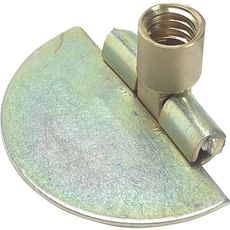
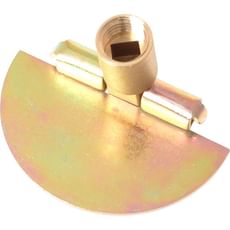
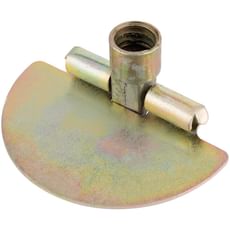
The drop scraper design represents the most versatile configuration available, featuring hinged blades that lie flat when pushing the rods forward, allowing the tool to glide smoothly over minor obstructions and navigate bends in pipework. Once positioned beyond the blockage, the scraper drops into a vertical scraping position when pulled back, enabling operators to drag hardened material back towards the access point for removal. This ingenious design makes drain clearance considerably more efficient and tidier than older fixed-blade alternatives that couldn't navigate bends effectively.
Tooled-Up.com stocks drain rod scrapers in both universal threaded fittings compatible with most standard drain rod systems, and Bailey's Lockfast connection system favoured by professional drainage contractors for its quick-connect reliability. Manufactured from durable steel with corrosion-resistant finishes, these attachments from respected brands like Bailey and Draper are engineered to withstand repeated exposure to waste water and the demanding conditions of underground drainage work, making them essential components of any comprehensive drain clearing toolkit.
Jargon Buster
- Drop Scraper - A hinged blade design that lies flat when pushed forward through pipework, then drops into a vertical scraping position when pulled back, allowing effective removal of encrusted material whilst navigating bends and obstructions in drainage systems.
- Lockfast Connection - Bailey's proprietary quick-connect threaded system providing secure, rapid attachment of drain rod sections and accessories without risk of cross-threading, particularly valuable when working in confined spaces or during demanding drainage emergencies.
- Universal Thread - A standardised screw connection used across most drain rod manufacturers, ensuring compatibility between different brands and allowing tradespeople to mix and match components from various systems as required.
- Scale Build-up - The accumulation of mineral deposits, hardened waste, grease, and encrusted material adhering to pipe interiors that progressively restricts water flow and eventually causes complete blockages requiring mechanical removal.
- Drainage Run - The continuous length of pipework between two access points such as inspection chambers or manholes, typically representing the distance requiring clearance when addressing blockages.
- Encrusted Debris - Hardened deposits firmly bonded to pipe walls through years of accumulation and mineralisation, requiring mechanical scraping rather than hydraulic pressure to remove effectively.
Who Uses Drain Rod Scrapers?
- Drainage Engineers and Specialists - Professional operatives whose primary trade involves clearing complex blockages and maintaining both domestic and commercial drainage infrastructure.
- Plumbers and Heating Engineers - Tradespeople who regularly encounter drainage problems during installation work, system maintenance, and emergency callouts.
- Property Maintenance Contractors - Multi-skilled professionals managing maintenance across residential and commercial portfolios who need reliable drainage clearing equipment.
- Facilities Management Teams - Site maintenance staff responsible for keeping drainage systems operational in commercial premises, industrial facilities, and public buildings.
- Local Authority Maintenance Crews - Council workers maintaining public drainage infrastructure, sewerage systems, and highway drainage networks.
- Landlords and Property Developers - Property professionals addressing drainage issues in rental properties, developments, and renovation projects.
- Building Contractors - Construction professionals dealing with drainage problems on site or clearing systems after building work.
- Experienced DIY Enthusiasts - Confident homeowners with the equipment and knowledge to tackle their own drainage maintenance and blockage clearance.
How to Choose the Right Drain Rod Scrapers
Selecting appropriate drain rod scrapers begins with confirming compatibility with your existing drain rod system. If you already own Bailey Lockfast drain rods, choose matching Lockfast scrapers to ensure secure, reliable connections during demanding clearance work. For standard drain rod systems, universal threaded scrapers provide compatibility across most manufacturers, allowing flexibility when building or expanding your drainage toolkit.
Consider the typical blockages you encounter and the condition of drainage systems you work with. Drop scrapers excel at removing hardened scale and encrusted deposits from older clay or cast iron pipes where decades of accumulation have reduced bore diameter. The hinged blade design proves particularly effective in systems with multiple bends and junctions, maintaining scraping contact with pipe walls throughout the drainage run. For professional drainage contractors working across varied applications, having multiple scraper heads alongside plungers and worm screws provides maximum versatility for addressing different blockage types.
Build quality directly impacts longevity and performance in the harsh environment of drainage work. The selection at Tooled-Up includes scrapers manufactured from robust steel with protective finishes engineered to resist corrosion from prolonged exposure to waste water and aggressive drainage chemicals. Professional-grade options from Bailey and Draper are constructed to withstand the mechanical stresses of repeated use whilst maintaining blade effectiveness across numerous clearing jobs.
Blade configuration affects both clearing efficiency and the types of deposits you can tackle effectively. Standard drop scrapers suit most domestic and light commercial applications, whilst more aggressive blade patterns may be necessary for particularly stubborn industrial scale build-up. Consider the diameter of pipes you typically work with—most scrapers are optimised for standard 100mm domestic drainage pipes, though they remain effective across the 75mm to 150mm range common in UK drainage systems.
Popular Accessories
- Drain Rods - Essential polypropylene rods in various lengths that connect together to reach blockages deep within drainage runs, available in both standard threaded and Lockfast configurations.
- Plunger Heads - Rubber plunger attachments for clearing soft blockages through hydraulic pressure and working in combination with scrapers for comprehensive blockage removal.
- Worm Screws and Augers - Corkscrew-style heads designed to break up compacted organic matter and pull debris back towards access points.
- Double Worm Attachments - Aggressive clearing tools featuring twin spiral blades for particularly stubborn blockages that resist single worm screws.
- Drain Rod Connectors - Spare connecting joints for extending reach, replacing worn components, or repairing damaged rod sections.
- Heavy-Duty Rubber Gloves - Extended-length protective gloves providing essential barrier protection when working with contaminated waste water.
- Drain Cleaning Chemicals - Complementary maintenance treatments for dissolving grease build-up and maintaining clear drainage after mechanical clearing.
- Drain Rod Storage Bags - Protective cases for keeping rods, scrapers, and attachments organised, clean, and ready for immediate deployment.
Safety Information
Working with drainage systems presents significant health hazards requiring appropriate precautions and protective equipment. Always wear heavy-duty rubber gloves with extended cuffs, safety goggles or face protection, and waterproof protective clothing to prevent contact with contaminated waste water containing harmful bacteria, pathogens, and potentially hazardous chemicals. Wellington boots provide essential foot protection when working around inspection chambers, manholes, and flooded areas. Ensure any cuts or abrasions are properly covered with waterproof dressings before commencing drainage work.
Be aware of biological hazards present in all drainage systems. Sewage and waste water harbour bacteria including E. coli, Salmonella, and Leptospirosis (Weil's disease) that can cause serious illness through skin contact, ingestion, or contamination of existing wounds. Wash hands and exposed skin thoroughly with antibacterial soap immediately after completing drain work, even when gloves have been worn throughout. The HSE provides comprehensive guidance on managing biological hazards in drainage and sewage work that should be consulted before undertaking professional drainage operations.
Maintain secure footing and stable positioning when rodding drains, particularly when working at inspection chambers or manholes. Be prepared for sudden movement when blockages release, as this frequently causes water and debris to surge back rapidly towards the access point. Never lean directly over open chambers, and ensure adequate ventilation when working in confined spaces where methane, hydrogen sulphide, and other harmful gases may accumulate. For work near roads or public areas, implement proper signage, barriers, and traffic management to protect both operatives and the public from hazards associated with open excavations and drainage access points.
Frequently Asked Questions
What's the difference between Lockfast and universal thread scrapers?
Lockfast scrapers feature Bailey's proprietary quick-connect system allowing rapid, secure attachment without cross-threading risk, making them ideal for professional drainage work where speed and reliability are paramount. Universal thread scrapers use standardised screw connections compatible with most drain rod brands from various manufacturers. Both are equally effective at clearing blockages, but Lockfast connections prove faster to attach and detach during demanding clearance work, whilst universal threads offer broader compatibility across different drainage toolkits.
Can I use drain rod scrapers in all types of drainage pipes?
Drain rod scrapers are designed for use in standard rigid drainage pipes including clay, cast iron, and rigid plastic systems typically ranging from 75mm to 150mm diameter—the standard sizes found in UK domestic and commercial drainage installations. Exercise caution with modern flexible plastic pipes or systems suspected of having existing damage, as metal scraper blades could potentially cause further deterioration to compromised pipework. Always assess pipe condition and age before applying scraping force, and consider professional drainage camera surveys if uncertain about system integrity.
How do I know when to use a scraper instead of a plunger?
Use plungers first for soft blockages caused by paper, organic matter, or grease that will respond to hydraulic pressure. Switch to scrapers when you encounter hard resistance indicating encrusted deposits, scale build-up, or compacted material that won't shift through plunging action alone. Many experienced drainage professionals follow a systematic approach: initial plunging to clear soft material, progression to scrapers for hardened deposits, then finishing with plungers again to flush loosened debris through the system. This combination approach proves most effective for comprehensive blockage clearance.
Do drain rod scrapers require special maintenance?
After each use, thoroughly rinse scrapers with clean water to remove all waste material and debris, paying particular attention to blade hinges and connection threads. Inspect blades and threaded connections for wear, damage, or corrosion, replacing components showing significant deterioration. Apply a light coating of water-displacing lubricant such as WD-40 to metal components to prevent corrosion during storage, and keep scrapers in a dry environment, ideally within dedicated storage bags or cases. Regular maintenance significantly extends working life and ensures scrapers remain ready for immediate deployment during drainage emergencies.
Can drain rod scrapers damage my drainage pipes?
When used correctly in sound drainage systems, scrapers pose minimal risk to pipework. They're specifically designed to remove deposits from pipe interiors without damaging the substrate. However, excessive force or aggressive scraping in deteriorated pipes—particularly older clay or cast iron systems with existing cracks—could potentially cause further damage. Always use controlled, steady pressure rather than violent jabbing motions, and be particularly cautious in drainage systems over 50 years old where pipe integrity may be compromised. If you encounter unusual resistance or suspect pipe damage, consider professional camera inspection before proceeding with mechanical clearing.