

Drain Rods

Pay in 3 interest-free payments on purchases from £20-£3000 with  . Learn more.
 Loading...
End of content
Error - No more pages to load
About Drain Rods
Drain rods are essential tools for clearing blockages in underground drainage systems, external pipework, gullies, and sewers. These flexible yet sturdy polypropylene rods screw together end-to-end to create an extendable pole capable of reaching deep into drainage runs to dislodge obstructions. The construction allows them to navigate bends and junctions in pipework whilst maintaining sufficient rigidity to apply the pressure needed for effective blockage removal. Professional-grade drain cleaning rods withstand the demanding conditions encountered in both commercial and domestic drainage work, making them indispensable for plumbers, drainage contractors, and property maintenance professionals.
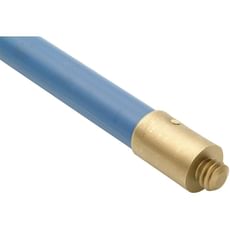
Available from Tooled-Up.com are both Universal and Lockfast drain rod systems from Bailey, each offering distinct advantages for different applications. Universal rods feature standardised threading that ensures compatibility across multiple manufacturers' attachments, whilst Lockfast systems provide superior connection security through their proprietary threaded design that prevents disconnection even under significant rotational forces. Both types are manufactured from polypropylene, a material chosen for its excellent resistance to the corrosive chemicals and harsh environments found in drainage systems. The bright blue colour provides high visibility during use, making it easier to monitor rod position and count sections when working in confined or poorly lit areas.
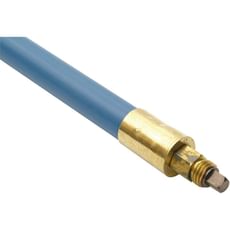
Modern drain rods incorporate brass threaded inserts at each connection point, creating secure joints capable of withstanding the rotational forces applied during clearance work. Guide wheels are featured on quality rod systems to protect both the rods and the pipework itself, helping the equipment navigate smoothly through drainage pipes without catching on joints or rough internal surfaces. When paired with appropriate drain cleaning attachments such as plungers, scrapers, worm screws, or brushes, these rods become a comprehensive drainage maintenance system suitable for tackling everything from minor domestic blockages to substantial commercial drainage issues.
Jargon Buster
- Lockfast Connection – A proprietary threaded connection system developed by Bailey that creates exceptionally secure joints between drain rods. The design prevents disconnection during use even when subjected to significant rotational forces, offering greater reliability than standard universal threads for professional applications.
- Universal Thread – A standardised thread pattern used across drain rods and attachments from various manufacturers, allowing different brands' products to be interconnected. This ensures compatibility and flexibility when replacing components or adding attachments from different suppliers.
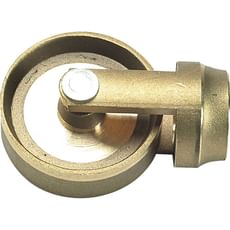
- Guide Wheel – A circular fitting that attaches to the rod end nearest the blockage, helping the assembly navigate smoothly through pipework by preventing it from catching on joints, offset connections, or rough pipe walls. Guide wheels reduce friction, protect pipework from damage, and extend rod working life.
- Polypropylene Construction – A durable thermoplastic polymer used for drain rod manufacture due to its excellent chemical resistance, flexibility across a wide temperature range, and ability to withstand harsh drainage environments without corroding, degrading, or becoming brittle.
- Brass Insert – Metal threaded components embedded into the ends of polypropylene drain rods to provide strong, durable connection points that resist stripping and wear with repeated use. Brass inserts offer significantly better longevity than plastic threads alone.
- Rod Set – A complete kit typically comprising multiple rod sections (usually 1 metre each), connection fittings, guide wheels, and various cleaning attachments for different blockage types. A convenient starting point for establishing drainage clearance capability.
Who Uses Drain Rods?
- Drainage Contractors – Specialists focusing on underground drainage maintenance, repair, and emergency clearance work
- Plumbers – Frequently the first call for blockages, requiring drain rods for external drainage issues beyond internal plumbing systems
- Property Maintenance Companies – Responsible for maintaining drainage infrastructure across residential and commercial property portfolios
- Facilities Management Teams – In-house maintenance staff at schools, hospitals, factories, leisure centres, and commercial premises
- Local Authorities – Council maintenance teams responsible for public drainage infrastructure, highways drainage, and social housing
- Environmental Health Officers – Addressing drainage issues that pose health risks, environmental concerns, or statutory nuisance
- Groundworkers – Construction professionals who install, test, and maintain drainage systems on building sites and development projects
- Landlords and Property Managers – Those maintaining rental properties and dealing with tenant drainage issues across multiple units
- Keen DIY Enthusiasts – Homeowners tackling their own drainage maintenance to avoid costly emergency call-out fees
- Farm and Estate Managers – Maintaining extensive drainage systems across agricultural and rural properties
How to Choose the Right Drain Rods
Connection Type: Consider whether Lockfast or Universal thread connections suit your requirements. Lockfast systems offer superior connection security and are less likely to unscrew during use, making them ideal for professional applications where reliability is paramount. Universal threads provide better compatibility with existing equipment and third-party attachments, offering flexibility if you already own drainage tools from various manufacturers.
Rod Length and Quantity: Standard drain rods are supplied in 1-metre sections. Consider the maximum depth of drainage runs you'll typically encounter – domestic applications rarely require more than 10-12 metres, whilst commercial or municipal work may need significantly more. It's economical to purchase additional rods as requirements grow rather than investing in excessive length initially. Remember that longer assemblies become progressively harder to manoeuvre.
Material Quality: Professional-grade polypropylene rods from established manufacturers like Bailey offer the best balance of flexibility and strength. Check for brass threaded inserts rather than plastic threads, as these provide significantly better durability and reduce the risk of connections failing mid-job. UV-stabilised materials are essential if rods will be stored outdoors or transported on open vehicles.
Guide Wheel Inclusion: Rods equipped with guide wheels are highly recommended as they protect both the equipment and pipework whilst making it easier to navigate bends, junctions, and offset connections. This becomes particularly important in older drainage systems with rougher pipe interiors, misaligned sections, or vulnerable clay pipework that can be damaged by unprotected rod ends.
Brand Reputation: The Tooled-Up range includes Bailey products with decades of experience producing drainage equipment that meets the demands of professional use. These products typically feature better quality control, more durable materials, and replacement parts availability compared to budget alternatives. This matters significantly when equipment failure could mean lost time on site or rods becoming lodged in customer drainage systems.
Compatibility with Attachments: Ensure your chosen rods accept the drain clearing attachments you'll need, such as plungers, scrapers, augers, worm screws, and brushes. A versatile rod system compatible with multiple attachment types provides better value and greater problem-solving capability across different blockage scenarios.
Popular Accessories
- Drain Plungers – Rubber cups creating hydraulic pressure to dislodge blockages through force rather than mechanical action
- Worm Screws – Corkscrew-shaped attachments for breaking up and retrieving solid obstructions like compacted debris or foreign objects
- Scraper Attachments – Bladed tools for removing scale, fat deposits, root ingress, and encrusted material from pipe walls
- Double Worm Attachments – Heavy-duty twin screws for particularly stubborn blockages requiring additional mechanical action
- Drain Cleaning Brushes – Wire or synthetic bristle brushes for maintaining pipes and removing soft deposits before they harden
- Drop Scrapers – Hinged scraping tools that fold down to navigate pipe bends then open for effective cleaning action
- Heavy-Duty Rubber Gloves – Chemical-resistant gloves providing protection when handling contaminated equipment
- Disinfectant Solutions – Bactericidal cleaning products for sanitising equipment after use in contaminated drainage systems
- Rod Storage Tubes or Bags – Protective storage solutions keeping rods clean, organised, and preventing contamination of vehicles between jobs
- High-Visibility Barriers and Signage – Essential safety equipment when working on drainage systems in public areas or roadside locations
- CCTV Drain Inspection Equipment – Camera systems for surveying pipework condition and locating blockages before rodding
Safety Information
Working with drain rods involves exposure to sewage, harmful bacteria, and potentially hazardous materials. Always wear appropriate personal protective equipment including heavy-duty rubber gloves, safety goggles or face shields, and protective clothing. Consider respiratory protection when working with older drainage systems that may contain harmful gases or when exposure to sewage aerosols is likely, particularly in confined spaces or poorly ventilated areas.
Be aware of Weil's disease (leptospirosis), a serious bacterial infection transmitted through contact with water or soil contaminated by infected animal urine, commonly present in drainage systems. Cover any cuts or abrasions with waterproof dressings before starting work, and wash hands thoroughly with antibacterial soap after handling drain rods or working in drainage environments. Seek immediate medical attention if you develop flu-like symptoms following drainage work, and inform your GP of the potential exposure to enable prompt diagnosis and treatment.
When operating drain rods, always turn them clockwise (when viewed from above) to maintain connection integrity. Counter-clockwise rotation causes rod sections to unscrew, potentially leaving equipment lodged deep in the drainage system and requiring excavation to retrieve. Apply steady, controlled force rather than excessive pressure, which can damage pipes, cause rods to snap, or create additional problems. Ensure adequate ventilation when working near drainage access points, and never enter a manhole or inspection chamber without proper confined space training, gas monitoring equipment, and appropriate safety systems.
After use, thoroughly clean and disinfect all drain rods and attachments according to COSHH guidelines before storage. This prevents cross-contamination between sites and protects those handling the equipment from biological hazards. Store rods in a dedicated area away from food preparation spaces, clean work environments, or areas where cross-contamination could occur. Consider the HSE's guidance on biological hazards in drainage work and implement appropriate control measures for your specific working environment.
Frequently Asked Questions
How long should my drain rods be?
For typical domestic properties, a set of 6-8 rods (6-8 metres total) is usually sufficient to reach most external blockages from the nearest access point. Properties with longer drainage runs or those connected to distant sewers may require 10-15 metres. It's practical to start with a basic set and purchase additional rods as needed, as most blockages occur within the first 10 metres of drainage from the property. Professional drainage contractors typically carry 15-20 metres for versatility across different sites and drainage configurations.
Can I use different brands of drain rods together?
Rods with universal threads should be compatible across different manufacturers, though connection quality and tightness may vary between brands. However, Lockfast and other proprietary connection systems are typically brand-specific and won't connect reliably to universal-thread rods or other manufacturers' proprietary systems. For professional use, it's recommended to maintain a complete set from one manufacturer to ensure consistent connection strength, reliability, and performance. Mixing brands can result in weak points where different thread patterns meet, increasing the risk of disconnection during use.
Why do my drain rods keep coming unscrewed in the pipe?
This almost always occurs because the rods are being turned anti-clockwise, which loosens the threaded connections with each rotation. Always rotate drain rods clockwise (when viewed from above) during use – this tightens connections as you work. If disconnection continues despite correct rotation, check that connections are hand-tight before insertion, inspect threads for wear or damage, and consider upgrading to Lockfast-style connections which provide superior resistance to accidental disconnection during use through their more positive locking mechanism.
How do I maintain and store drain rods properly?
After each use, remove any debris and wash rods thoroughly with warm water and detergent, then disinfect with an appropriate bactericidal solution suitable for drainage contamination. Allow them to dry completely before storage to prevent bacterial growth and material degradation. Store rods horizontally in a rod bag or tube, away from direct sunlight, extreme temperatures, and contamination sources. Periodically inspect threaded connections and brass inserts for wear, cross-threading, or damage, replacing any compromised sections before they fail during use and become lodged in customer drainage systems.
What's the difference between Lockfast and Universal drain rods?
Universal drain rods feature a standardised thread pattern allowing compatibility between different manufacturers' products and accessories, offering flexibility when mixing components or replacing individual rods. Lockfast rods use Bailey's proprietary threaded connection system designed to provide a more secure connection that's significantly less likely to unscrew during use, even under substantial rotational forces. Lockfast connections are generally preferred for professional applications where reliability is critical and rod disconnection could result in lost time or equipment retrieval costs, whilst Universal threads offer greater flexibility for those with existing mixed equipment or requiring third-party attachment compatibility.