

Drain Testing Kits

Pay in 3 interest-free payments on purchases from £20-£3000 with  . Learn more.
 Loading...
End of content
Error - No more pages to load
About Drain Testing Kits
Drain testing kits are essential equipment for verifying the integrity and water-tightness of drainage systems in domestic, commercial, and industrial properties. These specialist testing kits allow tradespeople to conduct air and water pressure tests on new drain installations or existing systems to identify leaks, blockages, or structural defects before they cause costly damage. A properly conducted drain test is often a mandatory requirement for Building Control approval on new builds and extensions, making these kits indispensable for plumbers, drainage engineers, and construction professionals working across the UK.
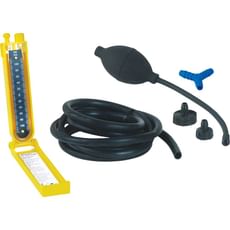
A complete drain testing kit typically includes air gauges or U gauges, rubber tubing, drain plugs or stoppers of various sizes, and pressure testing equipment. The testing process involves sealing the drainage system at strategic points and introducing air or water pressure to monitor whether the system maintains the required pressure over a specified period. Any drop in pressure indicates a leak or weakness that requires investigation and repair. Professional-grade kits like those in the Bailey drain testing range available from Tooled-Up.com are designed to meet British Standards requirements and provide accurate, reliable results that satisfy Building Control inspectors and comply with current drainage regulations.
Modern drain testing kits offer improved accuracy and ease of use compared to older methods, with clear gauge readings and robust construction that withstands regular site work. Whether you're installing new drainage systems, conducting maintenance inspections, or troubleshooting reported problems, having a reliable drain testing kit ensures you can verify system integrity quickly and professionally, protecting both your reputation and your clients' properties from future drainage failures.
Jargon Buster
- Air Test: A drain testing method where the drainage system is sealed and pressurised with air, then monitored to ensure pressure remains constant, indicating no leaks are present. This is the preferred method for most domestic drain testing as it's cleaner and quicker than water testing.
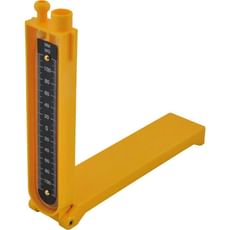
- U Gauge: A U-shaped transparent tube partially filled with coloured water that measures air pressure in the drainage system during testing. The difference in water levels between the two sides of the U indicates the pressure, typically measured in millimetres or inches.
- Manometer: Another term for a U gauge or similar pressure measuring device used in drain testing. It provides a visual indication of system pressure throughout the test duration.
- Drain Stopper/Bung: Expandable rubber plugs that seal drainage pipes at access points, chambers, or outlets to create a closed system for pressure testing. Available in various diameters to suit different pipe sizes.
- Test Duration: The specified time period (typically 3-5 minutes for air tests) during which the sealed drainage system must maintain pressure without significant drop. Requirements vary depending on Building Control specifications and pipe diameter.
- Permissible Pressure Drop: The maximum acceptable reduction in pressure during the test period, as defined by Building Regulations and British Standards. Exceeding this indicates system failure and requires investigation.
Who Uses Drain Testing Kits?
- Plumbers and Heating Engineers: Testing new drainage installations on residential and commercial projects to obtain Building Control sign-off
- Drainage Specialists: Conducting surveys, maintenance inspections, and fault-finding on existing drainage systems
- Building Contractors and Site Managers: Verifying drainage work before covering or completing construction phases
- Civil Engineers: Testing larger-scale drainage infrastructure on commercial developments and public works
- Property Maintenance Teams: Diagnosing drainage issues in residential and commercial properties as part of routine maintenance
- Qualified DIY Enthusiasts: Homeowners undertaking significant drainage work such as extensions or property renovations requiring Building Control approval
- Building Control Officers: Witnessing and verifying drain tests meet regulatory requirements
- Insurance Assessors: Investigating drainage-related claims and verifying system integrity following repairs
How to Choose the Right Drain Testing Kits
When selecting drain testing equipment, consider whether you need a complete kit or individual components to supplement existing equipment. Complete kits provide everything necessary for professional testing in one package, offering better value and ensuring all components work together reliably. This is ideal for tradespeople who regularly conduct drain tests or those setting up for the first time. Tooled-Up.com stocks comprehensive drain testing solutions including the Bailey Complete Drain Test Kit, which provides all essential components in one convenient package.
The type of gauge is a crucial consideration. U gauges filled with coloured water provide a simple, reliable visual indication of pressure and require no batteries or calibration. They're robust, accurate, and widely accepted by Building Control inspectors across the UK. Air gauges offer alternative reading methods but ensure any gauge you choose provides measurements that comply with British Standards and Building Regulations requirements for your area.
Consider the range of pipe sizes you typically work with and ensure your kit includes appropriately sized stoppers or bungs. Professional kits should accommodate common domestic drainage pipes from 100mm to 150mm diameter as a minimum. The quality of rubber components is particularly important—cheap stoppers may fail to create proper seals or deteriorate quickly with regular use, leading to false test failures and wasted time on site.
Build quality and durability matter significantly for tools that will be used in demanding site conditions. Look for established brands like Bailey that specialise in drainage equipment and offer robust construction, clear markings, and replaceable components. Quality tubing should resist kinking and remain flexible in cold weather, while gauges should feature protective cases and legible scales. The small additional investment in professional-grade equipment pays dividends in reliability and longevity compared to budget alternatives.
Popular Accessories
- Additional Drain Stoppers: Extra bungs in various sizes for different pipe diameters and multiple simultaneous tests
- Replacement Tubing: Spare rubber tubing in different lengths for gauge connections
- Hand Pumps: For manually introducing air pressure into the drainage system during testing
- Test Certificates and Report Books: Pre-printed documentation for recording test results and providing to Building Control
- Coloured Water: Food colouring or specialist gauge fluid for U gauge visibility
- Drain Rods and Plungers: For clearing blockages identified during testing
- CCTV Drain Cameras: For visually inspecting drainage systems when tests indicate problems
- Tool Storage Cases: Dedicated storage solutions to protect testing equipment and keep components organised
Safety Information
Always follow proper safety procedures when conducting drain tests. Ensure adequate ventilation when working around drainage access points, as sewer gases can be hazardous. Wear appropriate PPE including gloves and eye protection, particularly when handling drain stoppers that have been used in contaminated systems. Never over-pressurise drainage systems beyond the recommended test pressures, as this could damage pipes or cause stoppers to dislodge suddenly.
Be aware of confined space regulations if entering chambers or manholes to install test equipment. Ensure proper risk assessments are completed and appropriate safety measures are in place, including gas detection equipment where required. Follow HSE guidelines for working in or near drainage systems, and never work alone when conducting tests that require entering confined spaces.
When using air pressure testing methods, monitor gauges carefully throughout the test period and never leave pressurised systems unattended. Release pressure slowly and carefully when removing stoppers to prevent sudden discharge. Dispose of any contaminated water from drain tests responsibly and in accordance with environmental regulations and water authority requirements.
Frequently Asked Questions
Q: How long should a drain air test maintain pressure?
A: Building Regulations typically require drainage systems to maintain test pressure for a minimum of three minutes for pipes up to 150mm diameter, and five minutes for larger diameter pipes. The exact requirements may vary by local authority, so always check with your Building Control inspector. The system should show no more than the permitted pressure drop during this period, usually around 25mm on a U gauge.
Q: What pressure should I test drains at?
A: Standard air testing pressure for domestic drainage is typically 100mm water gauge (approximately 10 millibars). This is sufficient to identify leaks without risking damage to properly installed drainage systems. Always refer to current Building Regulations and British Standards for specific requirements, as these may vary depending on the system type and pipe materials used.
Q: Can I use a drain testing kit on all types of drainage pipes?
A: Drain testing kits are suitable for testing most modern drainage materials including PVC, clay, cast iron, and concrete pipes. However, very old or fragile drainage systems should be tested cautiously at lower pressures to avoid causing damage. Always inspect the drainage system visually before testing and consider whether the existing pipework is in suitable condition to withstand test pressures safely.
Q: Do I need different equipment for foul and surface water drains?
A: The same drain testing kit can be used for both foul drainage and surface water systems. However, you should keep separate stoppers for foul and surface water work for hygiene reasons, or thoroughly clean and disinfect equipment between uses. The testing procedure and acceptance criteria remain the same regardless of whether you're testing foul or surface water drainage.
Q: What causes a drain test to fail?
A: Common causes of drain test failure include poorly made joints, damaged pipes, incorrectly fitted seals, displaced or cracked pipes during backfilling, and inadequate bedding or haunching. Sometimes apparent failures are actually due to testing equipment issues such as poorly seated stoppers or leaking connections on the test equipment itself. Always check your equipment first before assuming the drainage system has failed, and ensure all access points and connections are properly sealed during the test.