

Drain Testing Plugs & Nipples
Pay in 3 interest-free payments on purchases from £30-2000 with  . Learn more.
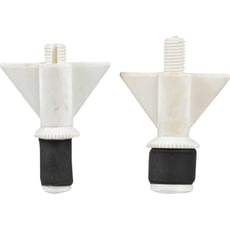
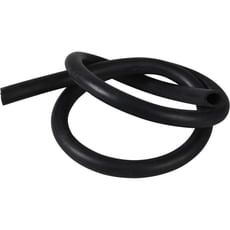
 Loading...
End of content
Error - No more pages to load
About Drain Testing Plugs & Nipples
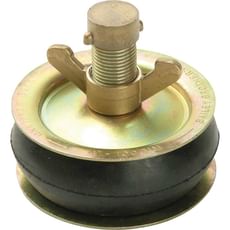
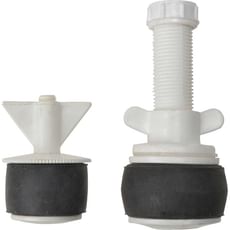
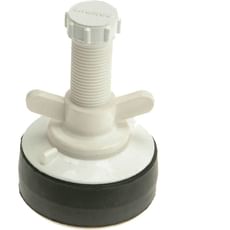
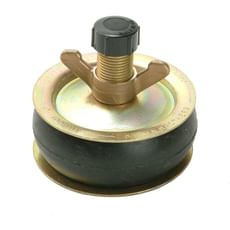
Drain testing plugs and nipples are indispensable plumbing tools used to verify the integrity and water-tightness of drainage systems during installation, commissioning, and maintenance work. These specialised devices enable plumbers and drainage engineers to conduct pressure tests on pipework, identify leaks before they cause problems, and ensure compliance with Building Regulations Part H before systems are signed off. The category encompasses everything from traditional brass cap test plugs and tapered test nipples to modern inflatable airbag stoppers and dry testing plug sets designed for both water and air pressure testing applications.
The selection at Tooled-Up.com includes centre locking drain test plugs with steel plates and brass or plastic blanking caps, precision-engineered tapered pressure test nipples in various BSP thread sizes, and complete dry testing plug sets with schrader valve connections. Monument and Bailey provide the majority of products in this range, both manufacturers recognised for producing reliable testing equipment that withstands the rigours of daily site work. Whether you're testing a domestic bathroom installation, verifying underground drainage runs on new builds, or conducting routine maintenance checks on commercial properties, having the correct drain testing equipment ensures work meets water authority requirements and prevents costly call-backs due to undetected leaks.
Modern drain testing technology has evolved significantly, with dry testing plugs eliminating the need to fill entire systems with water—particularly valuable in winter conditions or on upper floors where water disposal would be problematic. Inflatable airbag stoppers accommodate varying pipe diameters with a single component, whilst improved sealing materials and pressure-rated brass fittings make testing faster and more dependable. For professional plumbers and drainage contractors, these tools represent a modest investment that protects reputation, ensures regulatory compliance, and provides definitive proof that installations are fit for purpose before commissioning.
Jargon Buster
- BSP (British Standard Pipe): The UK threading standard for pipes and fittings, with dimensions measured in inches. Common sizes for drain testing equipment include 1/8" BSP, 1/4" BSP, and 1/2" BSP, which determine the connection thread on test nipples and gauges.
- Pressure Testing: The process of sealing a drainage system and applying controlled water or air pressure to identify leaks and verify integrity. Building Regulations typically require testing at specific pressures (such as 38mm water gauge for above-ground waste) held for defined durations to confirm compliance.
- Schrader Valve: A spring-loaded valve mechanism identical to those used on car tyres, commonly fitted to inflatable drain test plugs and dry testing equipment. This allows controlled inflation and deflation using standard tyre pumps or dedicated hand pumps with pressure gauges.
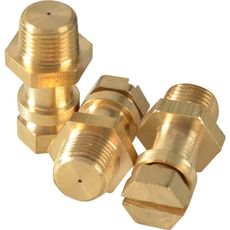
- Test Nipple: A tapered brass or plastic fitting that screws into drainage inspection points, access covers, or WC outlets, providing a secure threaded connection point for attaching pressure gauges and testing equipment during leak detection procedures.
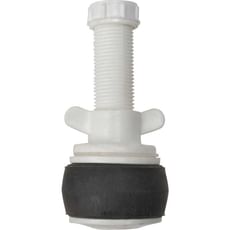
- Centre Locking Test Plug: A drain testing plug design featuring expanding rubber seals compressed by a central threaded rod with wing nuts and steel plates. When tightened, the rubber expands radially to create a water-tight seal against pipe walls, suitable for 100mm and 110mm drainage pipes.
- Dry Testing: A method of testing drainage systems using air pressure rather than water, particularly useful in cold weather conditions, on upper floors where water weight is problematic, or where water disposal facilities are unavailable on site.
Who Uses Drain Testing Plugs & Nipples?
- Plumbers and Heating Engineers: Testing new bathroom and kitchen installations, soil stacks, waste pipework systems, and sanitary ware connections before commissioning and handover to customers
- Drainage Contractors: Verifying underground drainage runs, inspection chambers, manholes, and surface water systems on both commercial developments and domestic projects to ensure water-tight installations
- Building Contractors: Ensuring drainage installations meet Building Control requirements and local water authority standards before sign-off on new build properties, extensions, and major renovation projects
- Maintenance Engineers: Conducting routine checks, diagnostic testing, and preventative maintenance on existing drainage systems in commercial premises, industrial facilities, residential blocks, and public buildings
- Water Authority Inspectors: Verifying compliance with water bylaws, checking for cross-connections between foul and surface water systems, and ensuring adoptable sewers meet specified standards
- Property Developers: Testing drainage infrastructure on housing developments, commercial premises, and mixed-use developments before handover to purchasers or adoption by statutory undertakers
- DIY Enthusiasts: Homeowners undertaking bathroom or kitchen renovations who need to test their own drainage installations to ensure work is sound before concealing pipework or reinstating floor finishes
How to Choose the Right Drain Testing Plugs & Nipples
Selecting appropriate drain testing equipment begins with understanding the pipe diameters you'll encounter most frequently. Standard UK domestic installations typically use 110mm underground drainage, 100mm soil stacks, and 32-50mm waste pipework, so ensure your test plugs accommodate these common dimensions. Monument's comprehensive test plug sets covering multiple sizes provide better value and versatility than purchasing individual components, whilst Bailey's brass and plastic cap options suit those preferring traditional water testing methods.
Your preferred testing methodology significantly influences equipment choice. Water testing remains the definitive approach for proving absolute water-tightness and is often required for Building Control sign-off, but demands access to water supplies and disposal facilities. Dry testing plugs with schrader valve connections offer faster testing cycles, eliminate water disposal issues, and work reliably in freezing conditions—particularly valuable for testing upper-floor installations or working in winter. Many professional plumbers maintain both water and air testing equipment for maximum flexibility across different project types and site conditions.
Material quality directly affects equipment longevity and testing reliability. Brass components resist corrosion better than plastic alternatives and withstand higher pressures, making them preferable for commercial work and frequent site use. Rubber sealing components should maintain flexibility across temperature ranges and resist degradation from repeated compression cycles. Centre locking designs with steel plates and wing nuts provide excellent seal compression for larger diameter pipes, whilst tapered test nipples require quality brass construction to prevent thread damage during installation and removal.
Consider the pressure ratings required for your typical projects. Domestic drainage usually requires relatively modest test pressures (38mm water gauge for above-ground waste, 50mm for underground drains), whilst commercial installations may demand higher specifications for extended pipe runs or deeper burial depths. Verify that test nipples, plugs, and associated gauges are pressure-rated appropriately for your applications. A calibrated pressure gauge reading 0-5 bar suits most drainage testing requirements and ensures accurate pressure monitoring for regulatory compliance.
Finally, evaluate practical usability and portability. Schrader valve systems allow quick inflation using standard tyre pumps available on most sites, whilst dedicated hand pumps provide better pressure control and built-in gauges for precise testing. Complete dry testing plug sets from Tooled-Up that include multiple sizes in organised storage save valuable time on site and ensure you always have the correct component available. Monument's black rubber hoses and connection accessories complete testing assemblies, whilst replacement sealing washers and O-rings maintain equipment effectiveness over extended service life.
Popular Accessories
- Pressure Gauges: Calibrated gauges for accurate monitoring during water and air pressure tests, typically reading 0-5 bar for drainage applications with clear dial faces for easy reading in various lighting conditions
- Schrader Valve Pumps: Manual air pumps specifically designed for inflating airbag stoppers and dry testing plugs, with integrated pressure gauges and valve connections for controlled inflation
- Test Pump Kits: Complete water testing assemblies with hand pumps, hoses, connection fittings, and pressure gauges for traditional hydraulic pressure testing of drainage systems
- Black Rubber Hoses: Flexible connection hoses for linking test equipment to water supplies or pressure pumps, available in various lengths with standard BSP threaded connections
- Replacement Seals and O-Rings: Spare rubber sealing washers and O-rings for maintaining test plug effectiveness over time, essential for equipment longevity and reliable seal performance
- PTFE Tape: Thread sealant tape for ensuring leak-free connections between test nipples, pressure gauges, and other threaded components during testing procedures
- Inspection Chamber Keys: For accessing underground drainage inspection points and manholes where test plugs need to be installed or removed
- Drain Rods: For clearing blockages before testing and positioning test plugs or airbag stoppers in underground pipework runs where direct access is limited
- Storage Cases: Organised toolboxes or dedicated bags for keeping test equipment clean, protected from site damage, and readily accessible when needed
Safety Information
When conducting drain pressure tests, always wear appropriate PPE including safety glasses to protect against sudden pressure release or water spray if seals fail unexpectedly. Ensure the drainage system being tested is adequately supported and secured, particularly when testing above-ground waste pipework that may move under pressure. Never exceed manufacturer-specified pressure ratings for test equipment, as over-pressurisation can cause component failure, personal injury, or damage to the drainage system itself.
Before pressurising any drainage system, verify that all connections are secure and properly sealed. Inspect test plugs, airbag stoppers, and rubber seals for damage, perishing, or degradation before use—compromised seals can fail under pressure creating hazardous conditions. When using air pressure for dry testing, be aware that compressed air carries more energy than equivalent water pressure and can cause more violent failures if equipment is faulty. Always depressurise systems slowly and in a controlled manner before removing test equipment.
Take particular care when testing underground drainage systems, as confined space regulations may apply when accessing deep inspection chambers or manholes. Ensure adequate ventilation before entering, test for hazardous gases, and follow HSE guidance on confined space working. When conducting water tests on upper floors, consider the additional structural loading from water-filled pipework and have contingency plans for safe water disposal if leaks are discovered. Keep pressure gauges calibrated and serviceable to ensure accurate pressure monitoring and prevent over-pressurisation through faulty readings.
Frequently Asked Questions
Q: What pressure should I use when testing domestic drainage systems?
A: For domestic above-ground drainage (waste pipes and soil stacks), a test pressure of 38mm water gauge (approximately 0.0037 bar) held for three minutes is standard under Building Regulations Approved Document H. Underground foul drainage typically requires a 50mm water gauge test maintained for five minutes. Air testing pressures differ—usually 100mm water gauge (0.01 bar) for three minutes. Always consult current Building Regulations, your local Building Control requirements, and water authority standards, as specifications can vary by region and installation type.
Q: Can I use the same test plugs for both water and air testing methods?
A: Whilst some centre locking drain test plugs work adequately for both methods, dedicated dry testing plugs with schrader valve connections are specifically engineered for air testing and provide more reliable, repeatable results. Traditional drain test plugs with brass or plastic blanking caps are primarily designed for water testing applications. Using equipment specifically matched to your chosen testing method ensures accurate results, better seal integrity, and compliance with testing standards. Professional plumbers often maintain separate kits for each method.
Q: How do I know which BSP size test nipple I need for my drainage system?
A: The BSP thread size required depends on the inspection point, access fitting, or WC outlet on your specific drainage system. Most domestic applications use 1/2" BSP connections, but older installations or commercial systems may use different sizes. Check the threaded boss on your inspection chamber or access point before purchasing. Many professional plumbers carry a selection of common sizes (1/8", 1/4", and 1/2" BSP) to accommodate different installations. Monument's tapered pressure test nipples provide a secure seal even with slight thread wear or size variations.
Q: Why does my drain pressure test keep losing pressure during the test period?
A: Pressure loss during testing indicates either a leak in the drainage system being tested (which the test is designed to detect) or poorly sealed test equipment. First, verify that your test plug is correctly sized for the pipe diameter and properly seated with adequate seal compression. Check all threaded connections are tight, valve stems fully closed, and hoses undamaged. If equipment is confirmed sound, pressure loss indicates genuine drainage system leaks requiring investigation and repair before the installation can be commissioned.
Q: Do I need special certification or qualifications to conduct drain pressure tests?
A: Whilst no specific certification is legally required to operate drain testing equipment, plumbers should be competent in testing procedures and understand Building Regulations requirements for drainage installations. Many plumbing qualifications (NVQ Level 2 and 3, City & Guilds diplomas) include drainage testing modules covering correct procedures and interpretation of results. For notifiable work under Building Regulations, testing must satisfy Building Control inspectors or be conducted by appropriately qualified professionals, with documented test results retained as compliance evidence.