

Draw Tape & Cable Guides

Pay in 3 interest-free payments on purchases from £20-£3000 with  . Learn more.

 Loading...
End of content
Error - No more pages to load
About Draw Tape & Cable Guides
Draw tape and cable guides are essential tools for electricians, data installers, and building professionals who need to route cables and wires through walls, ceilings, conduits, and ducting systems. These ingenious systems transform what would otherwise be a frustrating and time-consuming task into a manageable operation, allowing cables to be pulled through confined spaces, around corners, and over long distances with minimal effort and maximum precision. Whether you're installing Cat6 data cables in a commercial office or pulling 240v power cables through residential conduit, the right cable routing equipment makes all the difference between a smooth installation and hours of struggle.
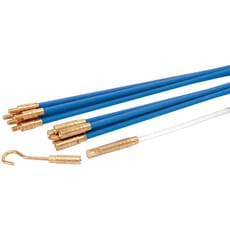
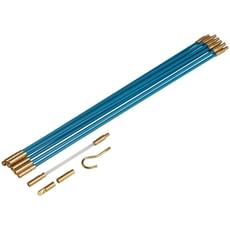
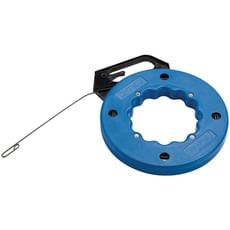
The range at Tooled-Up.com encompasses draw tapes (also known as fish tapes or draw wires), cable guide rods (sometimes called rod sets or push-pull rods), and a comprehensive selection of cable guide accessories designed to enhance functionality and adapt to different installation scenarios. Draw tapes are typically thin, flexible steel or nylon tapes wound onto reels that can be pushed or pulled through conduit to create a path for cables. Cable guide rods are semi-rigid fibreglass or polymer rods that connect together to form a continuous length, ideal for pushing through ducting, false ceilings, and cavity walls where traditional tapes might struggle.
Whether you're rewiring a domestic property, installing structured cabling networks in commercial buildings, or working on large-scale construction projects, having quality draw tape and cable guide equipment can dramatically reduce installation time, prevent cable damage, and make previously impossible pulls achievable. Professional-grade systems feature metred markings for accurate measurements, swivelling connectors to prevent cable twist, and abrasion-resistant materials that withstand the demands of daily site work.
Jargon Buster
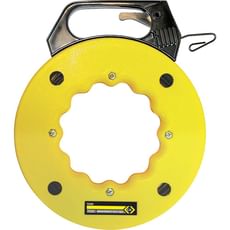
- Draw Tape (Fish Tape) – A flat, flexible steel or nylon tape wound on a reel, used to pull cables through conduit, trunking, or other enclosed spaces. The tape is fed through the route first, then cables are attached to the end and drawn back through.
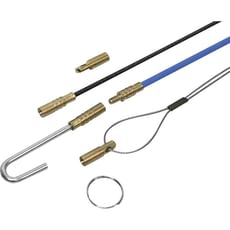
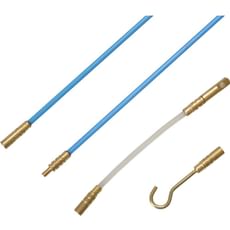
- Cable Rod Set – A collection of semi-rigid fibreglass or polymer rods that screw together end-to-end to form a continuous push-pull system. Ideal for routing through ceiling voids, ducting, and cavity walls where you need more rigidity than tape provides.
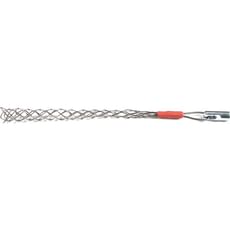
- Cable Pulling Grip – A mesh or woven attachment that grips around cables when tension is applied, allowing multiple cables to be pulled through simultaneously without damaging the conductors or insulation.
- Swivel Eye Connection – A rotating attachment point on draw tapes and rods that prevents the cable from twisting during pulling, reducing friction and the risk of tangling or damage.
- Conduit Threading – The process of feeding draw tape or cable rods through installed conduit before pulling cables through. Essential for retrofit installations where cables need to be added to existing infrastructure.
- Cable Pulling Lubricant – A specialised friction-reducing compound applied to cables before pulling to ease installation, reduce heat build-up, and protect cable jackets from abrasion during the pull.
Who Uses Draw Tape & Cable Guides?
Draw tape and cable guide systems are indispensable tools for a wide range of construction and installation professionals, including:
- Electricians and Electrical Contractors – routing 240v power cables through conduit, trunking, and building voids during new installations and rewiring projects
- Data and Network Installation Specialists – pulling ethernet, fibre optic, and communications cables through structured cabling systems in commercial and residential properties
- AV and Home Automation Installers – running speaker cables, HDMI leads, and control wiring discreetly through walls and ceilings
- Satellite and Aerial Engineers – routing coaxial cables from dishes and aerials to distribution points throughout buildings
- Security System Installers – pulling alarm cables, CCTV coax, and control wiring to sensors, cameras, and control panels
- General Builders and Maintenance Teams – facilitating cable routing during renovations, extensions, and property maintenance work
- Facilities Managers – maintaining and upgrading building services cabling infrastructure in commercial and industrial settings
- DIY Enthusiasts – tackling home improvement projects involving electrical upgrades, network installations, or entertainment system wiring
How to Choose the Right Draw Tape & Cable Guides
Selecting the appropriate draw tape or cable guide system depends on several key factors related to your specific installation requirements:
Installation Environment: Consider whether you'll be working primarily with rigid metal conduit, flexible conduit, plastic trunking, open ceiling voids, or cavity walls. Draw tapes excel in conduit and trunking where there's a defined path, whilst cable rods are superior for pushing through open spaces, insulation, and around obstacles in voids.
Length Requirements: Measure or estimate the maximum cable run distances you'll encounter. Draw tapes typically come in lengths from 10 to 50 metres, whilst rod sets are modular and can be extended by purchasing additional rods. Consider whether you need multiple shorter runs or occasional very long pulls.
Material and Rigidity: Steel draw tapes offer excellent rigidity for pushing through straight conduit runs, whilst nylon variants are lighter and non-conductive—an important safety consideration when working near potentially live circuits. Fibreglass cable rods provide the ideal balance of flexibility and pushability, with some premium sets featuring stiffer sections for difficult pushes.
Cable Load Capacity: Different systems have varying weight and tension ratings. If you're pulling heavy multi-core armoured cables or large bundles, ensure your chosen equipment has adequate load capacity and features robust connection points that won't fail mid-pull.
Connectors and Accessories: Look for systems with interchangeable accessories like different hook styles, pulling eyes, magnets for retrieval, and brush attachments for cleaning conduit before cable installation. Swivelling connections prevent cable twist and significantly reduce pulling friction.
Portability and Storage: Consider how you'll transport equipment between jobs. Compact reel cases for draw tapes and organised storage bags or tubes for rod sets keep equipment protected and tangle-free in your van or on site.
Visibility and Marking: High-visibility colours make equipment easier to see in dimly lit roof spaces and ducts. Metred markings on tapes and rods help you measure cable runs accurately without additional measuring tools.
Popular Accessories
Enhance the functionality and versatility of your draw tape and cable guide systems with these commonly used accessories available from Tooled-Up:
- Cable Pulling Grips – mesh grips in various sizes to securely attach single or multiple cables to draw tapes
- Swivel Connectors – prevent cable twist during pulling and reduce friction in complex routes
- Magnetic Retrievers – attach to rod ends to locate and retrieve steel draw tapes through walls and voids
- Flexible Leader Attachments – flexible extensions that navigate tight bends more easily than rigid rods
- Brush and Cleaning Attachments – clear debris and obstructions from conduit before cable installation
- Hook and Eye Accessories – various pulling attachment styles for different cable types and bundles
- Cable Pulling Lubricant – friction-reducing compound that protects cables and eases installation
- Rod Extension Sets – additional rods to increase the working length of existing cable rod systems
- Storage Reels and Cases – keep draw tapes organised and protected when not in use
- Cable Pulling Wheels – reduce friction at entry and exit points during long or heavy pulls
Safety Information
When using draw tape and cable guide equipment, observe these important safety considerations to protect yourself and others on site:
Electrical Safety: Before pushing or pulling any equipment through conduit or building voids, always verify that existing cables are isolated and de-energised. Never assume conduit is empty or safe. Use non-conductive fibreglass rods or nylon tapes when working near potentially live 240v electrical systems, and always follow isolation procedures in accordance with BS 7671 wiring regulations and HSE guidance.
Manual Handling: Pulling heavy cable loads can cause strain injuries. Use proper pulling technique, maintain good posture, and never exceed the rated capacity of your equipment. For heavy pulls, use mechanical pulling equipment or work with a colleague. Always wear appropriate gloves to protect hands from friction burns when handling draw tapes under tension.
Working at Height: When using cable guides in ceiling voids or elevated positions, ensure you have appropriate access equipment, fall protection where required, and sufficient lighting. Be aware of overhead hazards and maintain three points of contact when working from ladders or platforms in accordance with HSE working at height regulations.
Equipment Inspection: Regularly inspect draw tapes and cable rods for damage, including fraying, kinking, broken connections, or stress fractures. Damaged equipment can fail under load, potentially causing injury or damaging expensive cables. Replace worn or damaged components immediately.
Site Awareness: Be conscious of where your rods or tape may emerge when pushing through voids—they can cause injury if they unexpectedly exit near people or through fragile surfaces. Communicate with colleagues when working on opposite sides of walls or ceilings.
Frequently Asked Questions
What's the difference between draw tape and cable rods?
Draw tape (or fish tape) is a flexible steel or nylon tape on a reel that works best in conduit, trunking, or defined pathways where you can push or pull it through a continuous channel. Cable rods are semi-rigid fibreglass poles that connect together, ideal for pushing through open ceiling voids, cavity walls, insulation, and spaces where tape would simply coil up. Rods give you directional control, whilst tape excels at following existing pathways.
How long a cable run can I achieve with draw tape?
This depends on several factors including conduit diameter, number of bends, cable weight, and friction. In straight runs with minimal bends, quality draw tape can handle 30-50 metres relatively easily. However, each 90-degree bend significantly increases pulling difficulty. For runs exceeding 30 metres or involving multiple bends, consider installing draw pits or access points, using cable pulling lubricant, or employing mechanical pulling equipment for heavy loads.
Can I use cable rods to pull cables or just locate routes?
Cable rods can be used both for route-finding and for pulling lighter cables, but they're generally not designed for heavy pulling loads. Their primary function is to push through voids and establish a route, often with a draw tape or pull cord attached to the end. Once the rod has created the path, you'd typically use the attached tape or cord to pull cables back through. For pulling applications, ensure you don't exceed the rod manufacturer's weight recommendations.
Do I need different equipment for data cables versus 240v power cables?
The basic equipment is similar, but data cable installation requires more care to avoid damage that could affect performance. Use pulling grips specifically designed for data cables that distribute tension evenly without crushing or deforming the cable. Avoid excessive pulling force, maintain minimum bend radii, and never exceed manufacturer specifications. For sensitive fibre optic cables, specialised low-friction pulling systems and lubricants are essential to prevent micro-bending that degrades signal quality.
How do I retrieve draw tape that's become stuck in conduit?
First, avoid forcing it, which could cause further jamming or damage. Try gently working it back and forth to identify the obstruction point. If there's access via junction boxes or draw pits, open these to locate the problem—often it's a sharp burr, debris, or conduit joint misalignment. For rods stuck in voids, a magnetic retriever on a second rod set can sometimes hook and recover a trapped steel tape. Prevention is better than cure—always ensure conduit is properly installed and clear before threading equipment through.