

Draw Tape
Pay in 3 interest-free payments on purchases from £30-2000 with  . Learn more.
 Loading...
End of content
Error - No more pages to load
About Draw Tape
Draw tape, also known as fish tape or cable draw wire, is an indispensable tool for electricians and tradespeople who regularly route cables through conduit, cavity walls, ceiling voids, and other confined spaces. This flexible yet robust tape allows you to push through narrow channels and then pull cables back through areas that would otherwise be impossible to access by hand. Whether you're installing new electrical circuits, running data cables through commercial buildings, or threading automotive wiring through vehicle bodywork, draw tape dramatically reduces installation time and eliminates the frustration of working in tight spaces. Available in various lengths and materials, these tools have become essential equipment in any professional electrician's toolkit.
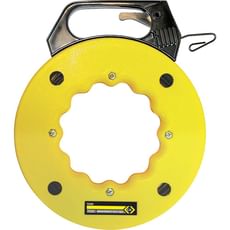
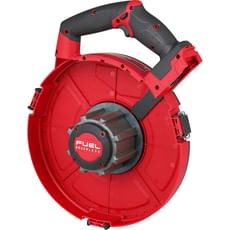
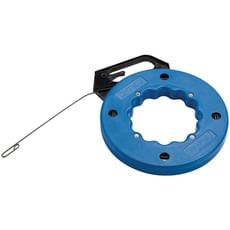
Tooled-Up.com stocks draw tape solutions ranging from traditional manual reels housed in protective plastic cases to advanced powered options like the Milwaukee M18 FPFT, which uses cordless brushless technology to make cable pulling faster and significantly less physically demanding. Manual draw tape typically features flexible spring steel or fibreglass construction with a hooked end for attaching cables, all housed in a convenient rotating dispenser with an integral braking system for controlled feeding. The tape is pushed through the conduit or cavity first, then cables are secured to the end before being pulled back through—a simple yet highly effective method that saves hours of labour on complex installations.
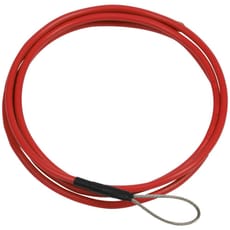
Brands such as Milwaukee, Draper, CK Tools, and Sealey offer reliable options suitable for both professional electricians and serious DIY enthusiasts. Specialist variants include automotive wire guides designed specifically for threading cables through vehicle bodywork and tight engine compartments, featuring more flexible tips to navigate the unique challenges encountered by auto electricians. Standard electrical draw tape excels at pushing through long conduit runs, whilst automotive cable guides prioritise flexibility for complex routing around vehicle structures. The selection at Tooled-Up includes solutions for domestic rewiring projects, commercial electrical installations, data cabling work, and automotive electrical systems.
Jargon Buster
- Fish Tape
- Another common name for draw tape, particularly in the electrical trade. The term comes from the action of "fishing" the tape through conduit to catch and pull cables back through tight spaces.
- Conduit
- Protective tubing (metal or plastic) that houses electrical cables. Draw tape is specifically designed to navigate through these channels efficiently, even around bends and junctions.
- Spring Steel Construction
- Oil-tempered wire material used in quality draw tape that provides both flexibility and rigidity. This allows the tape to bend around corners whilst maintaining sufficient stiffness to push through long conduit runs without buckling.
- Integral Braking System
- A mechanism built into the reel case that controls the speed at which tape feeds out, preventing uncontrolled unwinding and allowing smooth, controlled operation during cable pulling.
- Brushless Motor
- Advanced motor technology found in powered draw tape tools like the Milwaukee M18 range, offering longer runtime, increased power, and reduced maintenance compared to traditional brushed motors.
- Cable Guide
- A variation of draw tape, often with a more flexible tip design, used specifically for automotive applications to thread wiring through vehicle panels, dashboards, and engine compartments.
Who Uses Draw Tape?
- Electricians and Electrical Contractors: The primary users who rely on draw tape daily for domestic, commercial, and industrial electrical installations across all sectors.
- Auto Electricians: Specialists who use automotive wire guides to thread cables through vehicle bodywork, dashboards, door panels, and tight engine compartments.
- Data and Communications Installers: Professionals running network cables, fibre optics, phone lines, and security system wiring through buildings and structured cabling environments.
- Maintenance Engineers: Facilities management professionals who need to run replacement cables through existing building infrastructure without major disruption.
- Building Contractors: General builders who handle electrical first-fix work or need to run cables as part of renovation and refurbishment projects.
- DIY Enthusiasts: Homeowners undertaking their own electrical projects, such as installing new lighting circuits, outdoor power supplies, or home automation systems (within Building Regulations guidelines).
- Marine and Caravan Technicians: Specialists working with complex wiring in the confined spaces typical of boats, motorhomes, and recreational vehicles.
How to Choose the Right Draw Tape
Length Requirements: Consider the typical distances you'll be working with. Residential work might only require 10-15 metres, whilst commercial installations may need 20-30 metres or more. It's always better to have excess length than to come up short mid-job, particularly when working across multiple floors or through long conduit runs.
Manual vs Powered: Traditional manual draw tape in a reel case is cost-effective and reliable for most applications, making it ideal for occasional use or smaller projects. However, powered options like the Milwaukee M18 FPFT significantly reduce physical strain on long runs or when working overhead, making them worthwhile investments for professional electricians doing high-volume installation work on commercial sites.
Material Construction: Spring steel draw tape offers excellent rigidity for pushing through long conduit runs with multiple bends, though it can be heavier. Fibreglass options are lighter and non-conductive, making them safer around potentially live electrical environments. Steel construction typically provides better performance for heavy-duty professional use.
Application Type: Standard electrical draw tape differs significantly from automotive cable guides. Ensure you select the right tool for your specific trade—automotive variants typically feature more flexible tips and different leader designs to navigate the unique challenges of vehicle wiring, whilst electrical versions prioritise rigidity for conduit work.
Brand Quality: Invest in reputable brands like Milwaukee, Draper, CK Tools, or Sealey. Quality draw tape will withstand years of professional site use without kinking, breaking, or losing its spring action, whereas cheaper alternatives may fail on difficult jobs or develop permanent bends that make them unusable.
Case Design: A robust plastic dispenser protects your draw tape from site damage and keeps it organised between jobs. Look for cases with comfortable handles, smooth rotating mechanisms that won't jam, and integral braking systems for controlled feeding. Heavy-duty dispensers are essential for professional use where tools face daily wear and tear.
Popular Accessories
- Cable Pulling Grips: Specialist attachments that distribute pulling force evenly across multiple cables, preventing damage to conductor insulation during installation through long conduit runs.
- Cable Lubricant: Reduces friction when pulling cables through conduit, making the job significantly easier and protecting cable insulation from abrasion damage on rough conduit edges.
- Conduit Rods: Complementary tools for pushing conduit through walls before feeding cables, often used alongside draw tape for first-fix electrical installations.
- Replacement Leaders and Tips: Various head designs for different applications, including bulb-shaped tips for navigating tight bends and hooked ends for securing multiple cables.
- Cable Ties and Fixings: Essential for securing cables once pulled through, keeping installations neat, professional, and compliant with BS 7671 wiring regulations.
- Cordless Power Tool Batteries: If using powered draw tape like Milwaukee M18 systems, spare 18v batteries ensure uninterrupted workflow on site without waiting for recharging.
- Wire Strippers and Cutters: Complementary hand tools from brands like Knipex and Wiha for preparing cables before and after pulling through conduit.
- Electrical Testing Equipment: Multimeters and voltage testers to ensure circuits are safely isolated before feeding draw tape through potentially live conduit.
Safety Information
Always ensure electrical systems are isolated at the consumer unit before feeding draw tape through conduit that may contain live cables. Metal draw tape can conduct electricity, so never use it near energised circuits—verify isolation with a proper voltage tester before starting work. When using powered draw tape tools, follow the manufacturer's guidance on safe operation and ensure 18v batteries are correctly maintained and charged using approved chargers.
Wear appropriate PPE including gloves to protect against sharp edges on conduit ends and potential pinch points when feeding tape. Be mindful of overhead work—using draw tape above head height can cause significant fatigue and increase the risk of accidents, so take regular breaks and use proper access equipment such as stepladders or platforms. Apply steady, controlled pressure when pulling cables rather than jerking movements to avoid damaging cable insulation or causing the draw tape to snap back dangerously.
For automotive applications, always disconnect vehicle batteries before threading cables to prevent short circuits and potential damage to sensitive electronic systems. Store draw tape properly in its case when not in use to prevent kinking and maintain its spring action, which is essential for safe and effective operation. Kinked or damaged draw tape should be replaced immediately as it can jam in conduit or break under load, creating safety hazards. Follow HSE guidance when working on electrical installations and ensure all work complies with BS 7671 wiring regulations and relevant Building Regulations requirements.
Frequently Asked Questions
What length of draw tape do I need for domestic electrical work?
For most domestic installations, a 10-15 metre draw tape is sufficient to cover typical runs between floors, across loft spaces, and through cavity walls in residential properties. Professional electricians often prefer 15-20 metre options for greater flexibility across various job types. If you regularly work on larger properties or commercial projects, consider a 30-metre reel to avoid being caught short on longer cable runs.
Can I use draw tape to pull data cables as well as electrical cables?
Yes, draw tape is perfectly suitable for pulling network cables, fibre optics, phone lines, and other low-voltage data cabling through conduit and wall cavities. In fact, many data installation professionals and communications installers rely on draw tape just as much as electricians do. The same technique applies—feed the tape through first, attach your cables securely, then pull them back through the conduit or cavity.
Is powered draw tape worth the investment for occasional use?
For occasional DIY use or infrequent professional work, traditional manual draw tape offers excellent value and reliability without the higher initial cost. Powered options like the Milwaukee M18 FPFT are best suited to electricians doing high-volume installations where the time savings and reduced physical strain justify the investment. If you're pulling cables through long conduit runs daily, powered draw tape can significantly reduce fatigue and improve productivity.
What's the difference between draw tape and cable rods?
Draw tape is flexible and coils into a compact reel, making it ideal for threading through existing conduit systems with bends and junctions. Cable rods are semi-rigid sectional poles used to push conduit or cables through open cavities and ceiling voids where no pre-installed pathway exists. Many electricians carry both tools for different situations—draw tape for conduit work and cable rods for first-fix installations through stud walls and ceiling spaces.
Can draw tape get stuck in conduit and how do I prevent it?
Quality draw tape should navigate standard conduit bends without jamming, but blockages, sharp bends exceeding recommended angles, or damaged conduit can cause issues. Always feed tape slowly and steadily, feeling for resistance as you go. If you meet significant resistance, withdraw the tape and investigate rather than forcing it, which may cause permanent kinking or breakage. Using cable lubricant can help the tape glide through more easily, particularly on long runs or tight bends.