

Dressmaking & Tailors Scissors
Pay in 3 interest-free payments on purchases from £30-2000 with  . Learn more.
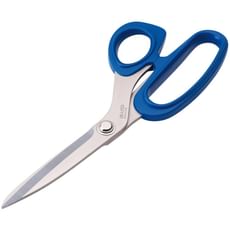
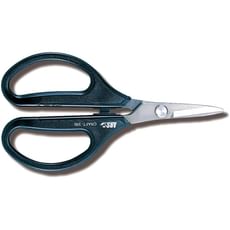
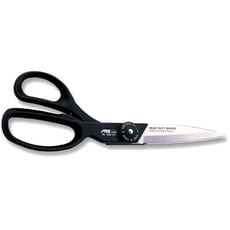
 Loading...
End of content
Error - No more pages to load
About Dressmaking & Tailors Scissors
Dressmaking and tailors scissors represent a specialised category of precision cutting tools engineered specifically for textile work, delivering clean, accurate cuts through fabric without fraying or distortion. Unlike general-purpose household scissors, these professional-grade instruments feature longer blades, optimised blade geometry, and ergonomically designed handles that enable smooth cutting through single or multiple fabric layers. The scissor selection at Tooled-Up.com includes traditional tailor shears with characteristic bent handles, industrial-grade models capable of cutting heavy-duty materials including Kevlar, and compact sewing scissors for detailed trimming work.
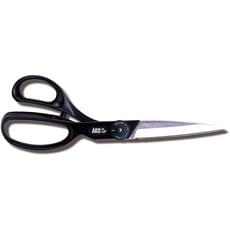
Professional brands such as ARS, Faithfull, and Draper manufacture scissors specifically for the demands of textile cutting, featuring high-carbon stainless steel blades that maintain sharpness through extended use. The bent-handle design found on traditional tailor shears keeps fabric flat against the cutting surface, allowing for more accurate cuts and better control during pattern work. Industrial models like the ARS Kevlar scissors incorporate advanced blade treatments including Micro-edge technology, which creates microscopic waves on the cutting surface to bite firmly into tough materials and reduce slippage when working with challenging fabrics.
Available in sizes ranging from compact 160mm sewing scissors for detailed work to 10-inch tailor shears for cutting long, straight lines through multiple fabric layers, these tools cater to everyone from professional tailors and upholsterers to home sewing enthusiasts. Whether you're cutting delicate silk, heavy canvas, or technical textiles, investing in quality dressmaking scissors ensures professional results and reduces hand fatigue during prolonged cutting sessions.
Jargon Buster
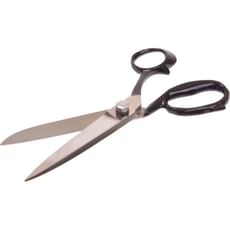
- Tailor Shears: Scissors with a bent handle design that keeps the lower blade flat against the cutting surface, allowing fabric to remain level during cutting. This design provides better leverage, improved visibility of cutting lines, and more accurate cuts compared to straight-handle scissors.
- Industrial Scissors: Heavy-duty cutting tools engineered for professional environments, featuring reinforced blades, robust pivot mechanisms, and the capability to cut through tough materials including canvas, leather, multiple fabric layers, and technical textiles such as Kevlar and aramid-based fibres.
- High-Carbon Stainless Steel: A superior blade material combining the corrosion resistance of stainless steel with the exceptional edge retention and sharpness of high-carbon steel, creating blades that maintain their cutting performance through thousands of cuts without frequent sharpening.
- Micro-Edge Treatment: An advanced blade surface technology that creates microscopic waves on the cutting edge, enabling scissors to grip firmly into material and preventing slippage when cutting slippery or tough fabrics.
- Blade Geometry: The specific angle and shape of the cutting edge, optimised in dressmaking scissors to produce a clean shearing action that cuts through fabric fibres without pushing, crushing, or distorting the material.
- Ergonomic Handles: Handle designs that reduce strain on the hand, wrist, and forearm during extended cutting sessions, often featuring cushioned grips or contoured shapes that distribute pressure evenly across the hand to prevent fatigue and repetitive strain injury.
Who Uses Dressmaking & Tailors Scissors?
- Professional tailors and seamstresses creating bespoke garments and alterations
- Fashion designers cutting patterns and creating sample collections
- Upholsterers working with fabrics for furniture covering and soft furnishings
- Theatrical costume makers producing and altering costumes for stage and screen
- Soft furnishing specialists cutting materials for curtains, cushions, and home décor
- Leather workers and craftspeople cutting leather and heavy-duty textiles
- Textile artists and quilters requiring precision cutting for patchwork and appliqué
- Garment manufacturers operating industrial cutting operations
- Home sewing enthusiasts working on DIY clothing projects and repairs
- Millinery and hat makers cutting felt, straw, and specialist materials
- Automotive trimming specialists cutting fabrics for vehicle interior work
How to Choose the Right Dressmaking & Tailors Scissors
Blade Length and Application: Consider your typical project scale. Eight-inch tailor shears offer excellent manoeuvrability for general dressmaking and detailed work, whilst 10-inch models excel at cutting long, straight lines through multiple fabric layers. Compact sewing scissors (approximately 160mm) are essential for precision work, thread trimming, and confined spaces where larger shears prove unwieldy.
Material Requirements: Standard dressmaking scissors handle cotton, silk, wool, and synthetic fabrics admirably, but working with heavy-duty materials such as canvas, leather, denim, or technical textiles requires industrial-grade scissors. The ARS industrial range available from Tooled-Up features reinforced construction and advanced blade treatments specifically engineered for cutting Kevlar, aramid-based materials, and synthetic rope.
Handle Design Considerations: Traditional bent-handle tailor shears keep fabric flat during cutting and are preferred by most professionals for accuracy and control. Straight-handle scissors offer versatility for various cutting angles. Evaluate ergonomic features carefully if you'll be cutting for extended periods – cushioned grips and contoured handles significantly reduce hand fatigue and prevent repetitive strain injury.
Blade Material Quality: High-carbon stainless steel blades provide the optimal combination of sharpness, edge retention, and corrosion resistance. Professional-grade scissors from brands like ARS, Faithfull, and Draper feature precision-ground blades that maintain cutting performance through thousands of cuts. Avoid cheaper alternatives with inferior steel that dull rapidly and require frequent sharpening.
Left-Handed Requirements: Left-handed users require scissors specifically designed for left-handed operation. Standard scissors don't simply require switching hands – the blade orientation means left-handed users cannot see their cutting line clearly, and the natural squeezing motion pushes blades apart rather than together, resulting in poor cutting performance and frustration.
Professional versus Hobby Use: Professional tailors and those in commercial environments should prioritise industrial-grade options built for continuous daily use and challenging materials. Home sewing enthusiasts achieve excellent results with quality domestic-grade scissors, though investing in professional tools delivers superior performance and longevity regardless of use frequency.
Popular Accessories
- Scissor sheaths and protective cases for blade edge protection during storage
- Sharpening stones and scissor sharpeners for maintaining optimal cutting performance
- Self-healing cutting mats protecting work surfaces and extending blade life
- Fabric weights holding patterns and fabric securely during cutting
- Rotary cutters for complementary straight-line cutting through multiple layers
- Spring-loaded thread snips for quick thread trimming
- Pinking shears with serrated blades preventing fabric fraying
- Tailor's chalk and fabric marking tools for cutting lines
- Measuring tapes and quilting rulers for accurate pattern cutting
- Seam rippers for unpicking stitches without fabric damage
- Pin cushions and magnetic pin holders for organisation
- Sewing machine oil for lubricating pivot points
Frequently Asked Questions
What distinguishes dressmaking scissors from regular household scissors?
Dressmaking scissors feature longer blades (typically 200-250mm) specifically designed for cutting fabric cleanly without fraying. The blade geometry is optimised for shearing through textile fibres rather than crushing them, and many feature bent handles keeping fabric flat on the cutting surface. Quality dressmaking scissors use harder steel that holds a sharper edge considerably longer than household scissors. Using fabric scissors exclusively for textiles – never paper, card, or other materials – preserves their precision cutting edge and extends their working life significantly.
How should I maintain my tailor shears?
Keep scissors clean and dry, wiping blades after use to remove fabric fibres and accumulated residue. Store them in protective sheaths to prevent blade damage. Never use fabric scissors to cut paper, card, plastic, or other materials, as this rapidly dulls the blade. Have them professionally sharpened when cutting performance declines – typically once or twice yearly for professional use, less frequently for home use. Apply a drop of sewing machine oil to the pivot point occasionally to maintain smooth operation and prevent stiffness.
Can left-handed people use standard dressmaking scissors effectively?
Standard dressmaking scissors are designed for right-handed use and prove genuinely difficult for left-handed users to operate effectively. When left-handed people use right-handed scissors, the blade orientation prevents clear visibility of the cutting line, and the natural squeezing motion of the left hand pushes blades apart rather than together, resulting in poor cutting performance and potential fabric damage. Left-handed users should invest in scissors specifically designed for left-handed operation for significantly improved results and reduced frustration.
Which size tailor shears best suits general dressmaking work?
For general dressmaking and most sewing projects, 8-inch (approximately 200mm) tailor shears offer the best balance of manoeuvrability and cutting capacity, handling both straight cuts and curves effectively. Ten-inch shears suit professionals cutting large fabric quantities or working with multiple layers, as the longer blade enables faster, straighter cuts. For detailed work, trimming, and confined spaces, maintain a pair of compact sewing scissors (around 160mm) in your toolkit. Many serious sewers own multiple sizes for different applications.
Are industrial scissors necessary for home dressmaking projects?
Industrial scissors such as the ARS Kevlar models certainly work excellently for home dressmaking and handle any fabric with ease. However, they're engineered for heavy-duty materials and continuous professional use, which may exceed requirements for occasional home sewing. They're an excellent choice when working with heavier fabrics like denim, canvas, or upholstery materials, or when seeking scissors that will last decades with minimal maintenance. For lighter fabrics and occasional use, standard quality dressmaking shears from brands like Faithfull or Draper provide excellent performance at lower cost.