

Drill Chuck Guards

Pay in 3 interest-free payments on purchases from £20-£3000 with  . Learn more.

 Loading...
End of content
Error - No more pages to load
About Drill Chuck Guards
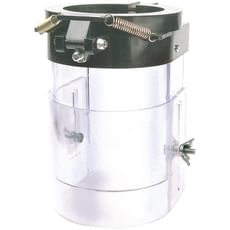
Drill chuck guards are critical safety accessories designed to protect operators from the hazards of rotating drill chucks on pillar drills and bench-mounted drilling machines. These protective shields create a physical barrier between the user and the spinning chuck, preventing serious injuries that can occur when loose clothing, gloves, jewellery, or hair becomes entangled in rotating components. Most guards feature transparent or semi-transparent designs manufactured from impact-resistant polycarbonate or acrylic materials, ensuring operators maintain clear visibility of their workpiece whilst benefiting from comprehensive protection.
The drill chuck guards available from Tooled-Up.com typically incorporate adjustable mounting systems that accommodate various pillar drill models and column diameters. Many designs feature either flip-up or telescopic mechanisms that allow quick repositioning when changing drill bits or adjusting workpieces, without completely removing the guard. Some models include slotted visors that can be locked in position, whilst telescopic guards provide smooth protective action as the drill penetrates the workpiece, maintaining constant coverage throughout the drilling operation.
In professional workshop environments subject to HSE inspections, appropriate machine guarding isn't merely recommended practice—it's a legal requirement under the Provision and Use of Work Equipment Regulations (PUWER). Installing proper drill chuck guards demonstrates compliance with UK health and safety legislation whilst protecting employees from preventable accidents. Both commercial workshops and home workshop enthusiasts prioritising safe working practices should consider drill chuck guards an essential investment rather than an optional extra.
Jargon Buster
- Chuck Guard: A protective shield or enclosure that surrounds the drill chuck to prevent accidental contact with rotating components during operation, typically manufactured from transparent impact-resistant materials.
- Telescopic Action: A guard design that extends and retracts smoothly as the drill head moves vertically, maintaining consistent protection throughout the drilling stroke without manual adjustment.
- Flip-Up Guard: A hinged safety shield that can be quickly pivoted upwards for drill bit changes or maintenance, then returned to the protective position for operation.
- Pillar Drill: A floor-standing or bench-mounted stationary drilling machine with a vertical column (pillar) supporting the motor and drill head, also known as a drill press.
- Collar Size: The diameter of the pillar drill's column or mounting point where the chuck guard attaches, critical for ensuring proper fitment and secure installation.
- PUWER: The Provision and Use of Work Equipment Regulations 1998, UK legislation requiring machinery to be properly guarded and maintained to ensure operator safety in commercial settings.
Who Uses Drill Chuck Guards?
Drill chuck guards are essential safety equipment for a diverse range of professionals and trades working with pillar drills and bench-mounted drilling machinery:
- Manufacturing operatives and machine shop workers performing production drilling operations
- Metal fabricators and engineering workshops conducting precision drilling tasks
- Woodworkers, joiners, and carpenters using pillar drills for repetitive drilling in timber
- Educational institutions including schools, colleges, and training centres with workshop facilities
- Maintenance engineers and facilities managers responsible for workplace safety compliance
- Automotive repair workshops and vehicle fabrication specialists
- Construction site workshops where pillar drills are regularly operated
- Model makers and craftspeople working with various materials
- Health and safety officers ensuring machinery meets HSE requirements
- DIY enthusiasts with home workshops who prioritise safe working practices
How to Choose the Right Drill Chuck Guards
Compatibility and Collar Size: Before purchasing, measure your pillar drill's column diameter—commonly referred to as the collar size. Tooled-Up stocks guards suitable for various collar sizes, so verify the dimensions match your specific drill model. Check whether the guard mounts to the column or drill head, and ensure adequate clearance exists for your typical workpiece sizes.
Guard Type and Mechanism: Consider your workflow requirements when choosing between flip-up guards and telescopic designs. Flip-up guards suit applications requiring frequent bit changes, as they pivot away quickly without removal. Telescopic guards provide continuous protection as the drill penetrates material, ideal for production environments with less frequent adjustments. Some models feature slotted visors that can be locked in position for specific operations.
Material Quality and Visibility: Look for guards manufactured from high-grade polycarbonate or acrylic materials meeting relevant impact resistance standards. The shield should be sufficiently thick to withstand workshop knocks whilst remaining transparent enough for clear visibility. Quality materials resist yellowing and clouding that can impair visibility over time, ensuring long-term usability.
Mounting Security: Examine the mounting bracket design to ensure secure, vibration-resistant attachment. The guard must remain firmly positioned during operation but allow repositioning when necessary. Quality mounting hardware should be included, with replacement components readily available.
Compliance Requirements: For commercial workshops, verify the guard meets PUWER requirements and relevant BS/EN safety standards. Documentation and appropriate certification should accompany compliant products, demonstrating adherence to UK workplace safety regulations.
Popular Accessories
- Replacement mounting brackets and fixings for worn or damaged guard hardware
- Polycarbonate cleaner and anti-static sprays to maintain clarity and prevent dust accumulation
- Emergency stop switches and additional pillar drill safety accessories
- Machine work lights for improved illumination of the drilling area behind the guard
- Drill vices and clamps for secure work-holding during operations
- Extraction hose attachments to remove swarf and dust from the drilling area
- Safety signage and operational instructions for workshop machinery
- Personal protective equipment including safety glasses, face shields, and hearing protection
- Pillar drill tables and accessories for enhanced functionality
Safety Information
Whilst drill chuck guards significantly enhance operator safety, they form just one component of a comprehensive approach to safe pillar drill operation. Always ensure the guard is correctly positioned and secured before starting the machine, and never operate a pillar drill with the guard removed, bypassed, or damaged. Even with a chuck guard properly fitted, loose clothing, jewellery, ties, and long hair must be secured away from the work area, and appropriate personal protective equipment including safety glasses should always be worn.
The HSE emphasises that machine guarding must be maintained in good condition through regular inspection. Check your drill chuck guard frequently for cracks, scratches that impair visibility, or loose mounting hardware. Replace damaged guards immediately, as compromised protection is potentially more dangerous than no guard at all, creating a false sense of security that may encourage complacent behaviour.
Under PUWER regulations, employers have a legal duty to ensure machinery is equipped with suitable guards and that these remain properly maintained. Regular risk assessments should be conducted, and all operators must receive appropriate training in the safe use of pillar drills, including correct use of chuck guards. Never modify or alter guards in ways that compromise their protective function, and ensure any replacement parts meet the original safety specifications. Remember that chuck guards protect against entanglement hazards but don't eliminate the need for eye protection against flying debris or swarf.
Frequently Asked Questions
Are drill chuck guards a legal requirement in UK workshops?
For commercial workshops, educational facilities, and any workplace where employees operate machinery, PUWER regulations require appropriate guarding to prevent access to dangerous moving parts. Whilst specific requirements depend on individual risk assessments, drill chuck guards are generally considered essential safety equipment for pillar drills in professional settings. Home workshop users aren't legally required to fit guards, but doing so represents best practice for personal safety and demonstrates responsible workshop management.
Will a standard chuck guard fit my pillar drill?
Most chuck guards feature adjustable mounting systems designed to accommodate a range of pillar drill collar sizes, but compatibility must be verified before purchase. Measure your drill's column diameter and check this against the guard's specified fitment range. The selection at Tooled-Up.com includes guards suitable for various collar sizes, though some compact bench drills or large industrial pillar drills may require specialist guards. When in doubt, contact the manufacturer or supplier with your drill model details.
How do I maintain my drill chuck guard for optimal visibility?
Clean polycarbonate or acrylic guards using warm soapy water and a soft, lint-free cloth—avoid abrasive cleaners, solvents, or rough materials that can scratch the transparent surface. Specialised plastic cleaners and anti-static sprays help maintain clarity whilst reducing dust accumulation. Regularly inspect mounting brackets for tightness and examine the shield for cracks, chips, or damage that could compromise safety. Replace guards showing significant wear, yellowing, or reduced transparency.
Can I operate my pillar drill without safety glasses if a chuck guard is fitted?
Absolutely not. Chuck guards protect against contact with rotating components and entanglement hazards but don't provide comprehensive eye protection from flying debris, swarf, or material fragments ejected during drilling. Safety glasses or face shields conforming to BS EN 166 should always be worn when operating drilling equipment, regardless of other guarding present. Multiple layers of protection significantly reduce injury risk.
What's the difference between flip-up and telescopic drill chuck guards?
Flip-up guards feature a hinged design that pivots upwards for quick access when changing drill bits or adjusting workpieces, then returns to the protective position for operation. Telescopic guards incorporate an extending/retracting mechanism that moves with the drill head, maintaining consistent coverage as the drill penetrates the workpiece without manual adjustment. Flip-up designs suit applications requiring frequent bit changes, whilst telescopic guards work well for production environments with continuous operation and less frequent adjustments.