

Drill Press Vices
Pay in 3 interest-free payments on purchases from £30-2000 with  . Learn more.



 Loading...
End of content
Error - No more pages to load
About Drill Press Vices
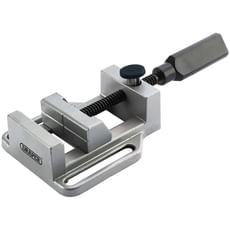
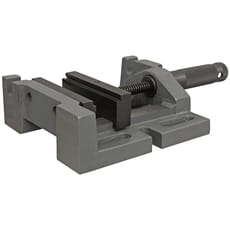
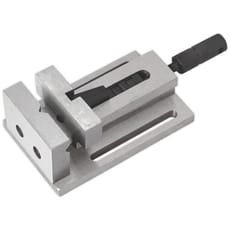
Drill press vices are specialised workholding devices engineered to secure workpieces firmly during drilling operations on pillar drills and bench-mounted drilling machines. Unlike standard bench vices, these precision tools feature flat bases with mounting slots for secure attachment directly to drill press tables, low-profile designs that maintain optimal clearance for drilling, and robust construction that withstands the rotational forces generated during metalworking and fabrication tasks. Whether drilling steel plate, aluminium extrusions, timber components or plastic materials, a quality drill press vice delivers the stability and accuracy that transforms routine drilling into precision engineering.
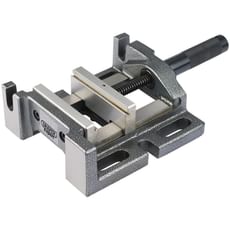
The drill press vices available from Tooled-Up.com span multiple configurations to suit different workshop requirements and budgets. Standard screw-operated models offer straightforward, reliable clamping for general drilling tasks, whilst quick-release designs incorporate lever mechanisms that dramatically speed up workpiece changes—particularly valuable in busy fabrication shops handling varied components. Cross vices (also called 3-way drill vices) feature calibrated X and Y axis adjustment handwheels, enabling precise workpiece positioning for drilling multiple holes with exact spacing without physically relocating the vice. Leading manufacturers including Sealey, Draper, Record, Faithfull and Einhell produce these essential workshop tools with cast iron or cast aluminium bodies, hardened steel jaws, and precision-machined surfaces that deliver years of dependable service.
Modern drill press vices incorporate thoughtful features that enhance versatility and user experience. Swivel bases allow 360-degree rotation for compound angle drilling, V-grooved jaws securely grip cylindrical bar stock and pipes, and reversible jaw plates accommodate different workpiece profiles. Many models function equally well on small milling machines, making them valuable multi-purpose additions to engineering workshops, maintenance facilities, educational training centres and well-equipped home workshops throughout the UK.
Jargon Buster
- Quick Release Mechanism: A lever-operated system that disengages the screw thread, allowing rapid jaw opening without tedious handle winding. Significantly improves productivity when frequently changing workpieces between drilling operations.
- 3-Way Vice (Cross Vice): An advanced drill press vice featuring both X and Y axis movement via calibrated handwheels, permitting precise workpiece positioning relative to the drill bit without physically moving the vice itself—essential for drilling multiple holes with accurate spacing in engineering and fabrication work.
- Jaw Capacity: The maximum width measurement (typically specified in millimetres) that can be gripped between the vice jaws when fully opened, determining the largest workpiece dimensions the vice can accommodate securely.
- V-Grooved Jaws: Jaw faces incorporating V-shaped channels machined into the gripping surfaces, specifically designed for holding round bar stock, pipes and cylindrical components without slipping during drilling—particularly useful in plumbing, hydraulic fitting and general metalwork applications.
- Swivel Base: A rotating base plate allowing the entire vice body to turn through various angles (commonly 360 degrees), enabling compound angle drilling and improved workpiece orientation without repositioning clamps or mounting bolts.
- Cast Iron Construction: The traditional manufacturing method for quality drill press vices, providing excellent vibration damping, dimensional stability and the mass required to resist drilling forces without movement or chatter.
Who Uses Drill Press Vices?
Drill press vices are indispensable tools across numerous trades and workshop environments, including:
- Engineering Machinists – for precision drilling operations in metal fabrication, component manufacture and prototype development
- Model Engineers – requiring accurate workholding for small-scale precision drilling in hobby engineering and model construction
- General Fabricators – securing steel and aluminium components during drilling in fabrication shops and on-site installations
- Maintenance Engineers – drilling repair components, brackets and fixtures in industrial maintenance workshops and plant rooms
- Automotive Technicians – modifying mounting brackets, drilling hole patterns and fabricating custom automotive parts
- Woodworkers and Joiners – holding timber securely for accurate drilling operations in furniture making, joinery and cabinetry
- Educational Workshops – schools, colleges, universities and training centres teaching metalwork, engineering and manufacturing skills
- Agricultural Engineers – fabricating and repairing farm machinery components and attachments
- Serious DIY Enthusiasts – home workshop users undertaking metalwork projects, restoration work and precision drilling tasks
- Gunsmiths and Precision Craft Workers – requiring stable, accurate workholding for detailed drilling operations on specialist components
How to Choose the Right Drill Press Vices
Jaw Capacity and Opening Width: Consider the typical dimensions of workpieces you'll be drilling regularly. Jaw capacities range from approximately 50mm for compact models suited to bench drills, up to 100mm or greater for heavy-duty vices designed for industrial pillar drills. Measure your most common workpiece sizes and select a vice with adequate capacity plus some margin for larger occasional jobs—insufficient capacity limits versatility, whilst excessive size adds unnecessary bulk to smaller drill press tables.
Vice Type and Functional Features: Standard drill press vices offer straightforward manual clamping with screw operation, providing reliable performance for general workshop use. Quick-release models significantly accelerate workpiece changes—valuable when drilling multiple different components in production or jobbing work. Cross vices or 3-way drill vices deliver X-Y positioning adjustment, essential for precision engineering involving multiple holes with exact spacing. If you regularly drill at compound angles, prioritise models with swivel bases for enhanced positioning flexibility.
Construction Quality and Materials: Look for vices manufactured from robust cast iron with precision-machined contact surfaces and smooth operating threads. Hardened steel jaws resist wear and maintain consistent grip across thousands of clamping cycles. Brands like Sealey, Draper, Record and Faithfull are recognised for quality construction that withstands professional workshop environments. Cast aluminium vices offer lighter weight for portability but may lack the mass and rigidity required for heavy drilling operations in steel.
Mounting Method and Compatibility: Most drill press vices feature slots or threaded holes in the base for bolting directly to your drill press table. Verify that mounting holes align with your specific drill press table slots, or be prepared to drill new mounting holes. Some models include quick-mounting clamps for tool-free attachment and removal—convenient when sharing a drill press between different operations. Ensure the vice dimensions suit your drill press table size; an oversized vice on a small bench drill becomes unwieldy and unstable, whilst an undersized vice on a large industrial pillar drill won't provide adequate support.
Jaw Configuration: Standard flat jaws suit most applications involving plate, angle iron, flat bar and rectangular section materials. If you frequently drill round bar stock, pipes or cylindrical components, V-grooved jaws provide substantially superior grip and prevent rotation during drilling. Some vices offer reversible or interchangeable jaw plates for added versatility across different workpiece profiles.
Budget and Application Intensity: Professional fabricators and engineering workshops justify investment in premium models from Record or heavy-duty Sealey ranges with superior build quality and longevity. Educational facilities benefit from robust mid-range options that balance cost with durability across multiple users. Home workshop users undertaking occasional drilling tasks will find excellent value in quality entry-level models from Draper, Einhell or Faithfull that deliver reliable performance for typical DIY and hobby applications.
Popular Accessories
Enhance your drill press vice setup with these complementary workshop accessories available at Tooled-Up.com:
- Pillar Drills and Bench Drills – the primary machines that drill press vices are designed to work alongside, from compact 240v bench models to heavy-duty floor-standing pillar drills
- Drill Bits and Sets – HSS twist drills, cobalt bits for stainless steel, brad point bits for timber and step drills for sheet materials
- Clamp Kits and G-Clamps – supplementary clamping solutions for securing awkward workpieces or adding extra holding force
- V-Blocks and Parallels – precision engineering accessories that support workpieces at correct heights and angles in the vice
- Cutting Fluid and Lubricants – extend drill bit life and improve finish quality when drilling metal components
- Soft Jaws and Jaw Protectors – prevent marking delicate workpieces, finished surfaces or pre-painted components
- Angle Plates – hold workpieces vertically or at specific angles for drilling perpendicular holes in edges and faces
- Centre Punches and Marking Tools – accurately mark hole positions before drilling to prevent bit wander
- Digital Callipers and Measuring Equipment – verify dimensions and hole spacing on precision engineering work
- Tap and Die Sets – create threaded holes after drilling for bolted assemblies and fixings
Safety Information
Secure Workpiece Clamping: Always ensure workpieces are firmly clamped in the vice before starting the drill press. Inadequately secured components can spin violently if grabbed by the rotating drill bit, causing serious injury and damaging both workpiece and tooling. Check clamping pressure is adequate for the material hardness and drilling operation being performed—light pressure suffices for soft materials, whilst harder metals require substantial clamping force.
Vice Mounting Security: Securely bolt or clamp the drill press vice to the machine table before any drilling operations—never attempt to hold a vice by hand during drilling. An unsecured vice can spin with the workpiece, presenting a significant hazard to operators and bystanders. Regularly check mounting bolts remain tight, particularly after heavy use or vibration from drilling hard materials.
Remove Handles and Keys: Always remove vice handles, chuck keys and adjustment tools before starting the drill press motor. Rotating handles can cause severe injuries if the workpiece or vice rotates unexpectedly when the drill bit grabs. Make this a disciplined habit before every drilling operation.
Eye and Face Protection: Wear appropriate safety glasses or face shields conforming to BS EN 166 when operating drilling machinery. Metal swarf, chips and broken drill bits can be ejected at high velocity during drilling operations, particularly when breakthrough occurs on the underside of workpieces.
Appropriate Drilling Speeds: Use correct drill press speeds for the material being drilled and bit diameter being used. Excessive speed causes bits to grab rather than cut cleanly, potentially spinning the workpiece even when properly clamped. Consult HSE guidance on safe operation of drilling machinery and manufacturer recommendations for specific materials.
Workpiece Support and Overhang: Ensure workpieces extend through the vice adequately without excessive overhang beyond the jaws. Long overhangs can bend or deflect during drilling, affecting accuracy and potentially causing the work to break free from the vice. Support long workpieces with additional stands or packing where necessary.
Frequently Asked Questions
What's the difference between a drill press vice and a standard bench vice?
Drill press vices are specifically engineered for use on drilling machines, featuring flat bases with mounting slots for secure attachment to drill press tables, low profiles that don't obstruct drill bit access, and often include features like swivel bases or V-grooved jaws for holding round stock. Bench vices are substantially larger, mount to workbench edges using integrated clamps or bolts, and are designed for general-purpose workholding including filing, sawing, assembly and light metalwork. You shouldn't use a bench vice on a drill press as it's too tall, creates instability and isn't designed to resist the rotational forces involved in drilling operations safely.
Do I need a quick-release drill press vice or is a standard screw-operated model sufficient?
If you're drilling multiple different workpieces throughout the day or frequently changing components, a quick-release mechanism significantly improves productivity by allowing rapid jaw opening without winding the handle through numerous rotations. For jobs involving repetitive drilling of identical or similar components, or occasional hobby use, a standard screw-operated vice is perfectly adequate and typically costs less. Professional fabrication shops and jobbing engineering workshops generally prefer quick-release models for time savings, whilst home workshop users often find standard models perfectly suitable for typical DIY metalwork and project work.
Can I use a drill press vice on a milling machine?
Many drill press vices, particularly cross vices and 3-way models with X-Y axis adjustment, work excellently on small milling machines and are sometimes specifically marketed for both drilling and light milling applications. However, verify the vice construction is robust enough for milling forces, which are generally greater than drilling forces due to side loading. Some manufacturers like Draper and Sealey offer vices specifically designed for their mini milling machines with appropriate mounting configurations. For heavy milling work or production machining, a dedicated milling machine vice with greater rigidity, larger contact surfaces and higher clamping force is preferable.
What jaw capacity drill press vice do I need for general workshop use?
For most general engineering, fabrication and maintenance work, a vice with 75-100mm jaw capacity handles the majority of typical workpieces including flat plate up to 100mm wide, angle iron, small box section, flat bar and round bar stock. If you primarily work with smaller components, electronics enclosures or model engineering, a 50-70mm capacity vice may suffice whilst occupying less drill press table space. Consider the largest items you're likely to drill regularly and choose a vice with capacity to accommodate them comfortably—it's better to have excess capacity you don't always utilise than find yourself unable to clamp essential workpieces securely.
How do I prevent my workpiece from spinning in the drill press vice when drilling?
Ensure adequate clamping pressure is applied—the vice should be tight enough that you cannot move the workpiece by hand with reasonable force. Use the correct drill speed for your material (slower speeds for larger bits and harder materials reduce the tendency to grab). Ensure drill bits are sharp—blunt bits grab and tear rather than cut cleanly, dramatically increasing spinning risk. For thin sheet materials, sandwich the workpiece between wooden or aluminium backing boards which provide additional support and prevent distortion. V-grooved jaws significantly improve grip on round stock and pipes. For particularly difficult materials or thin-walled components, consider using additional clamps in conjunction with the vice, or drill a small pilot hole first to guide larger diameter bits accurately.