

Drilling Accessories
Pay in 3 interest-free payments on purchases from £30-2000 with  . Learn more.
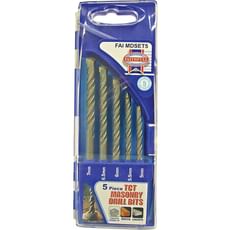
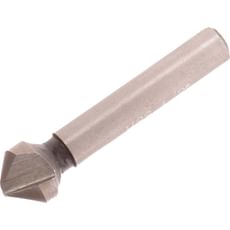
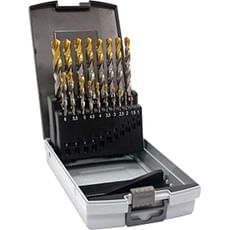
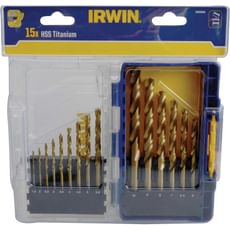

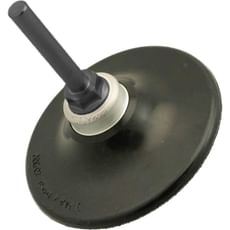
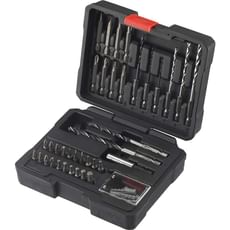
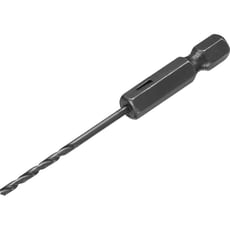
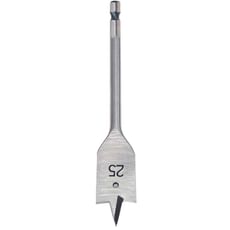
 Loading...
End of content
Error - No more pages to load
About Drilling Accessories
Drilling accessories represent an extensive collection of tools, components, and attachments that enhance the capability and precision of drilling equipment. From specialist drill bits and quick-change chucks to drilling guides, mixing paddles, and rotary grinding tools, this category encompasses everything needed to transform a basic power drill into a versatile workshop essential. Whether tackling demanding site work as a professional tradesperson or completing weekend projects as a DIY enthusiast, the right drilling accessories significantly improve work quality, accuracy, and efficiency across wood, metal, masonry, and composite materials.
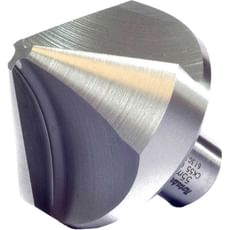
The drilling accessories range at Tooled-Up.com includes essential items such as drill bit sharpeners for maintaining cutting performance, precision drilling guides and jigs for accurate hole placement, robust drill stands for consistent perpendicular drilling, and heavy-duty mixing paddles for builders working with plaster, render, and tile adhesive. This comprehensive selection also features countersinks for professional flush finishes, rotary burrs for detailed shaping and grinding work, box cutters for material preparation, and various chucks, keys, and adaptors ensuring compatibility across different drill models and chuck systems including standard keyed, keyless, and SDS configurations.
Quality drilling accessories from established manufacturers such as Bosch, DeWalt, Makita, Milwaukee, and Festool deliver reliable performance and durability that budget alternatives simply cannot match. Professional-grade accessories withstand the rigours of daily site use whilst maintaining precision and safety standards. Investing in proper drilling accessories means upgrading worn components, expanding your drill's functional capabilities, and achieving consistently professional results whether working with 240v corded drills or modern cordless platforms.
Jargon Buster
- Chuck – The adjustable clamping mechanism at the front of a drill that secures drill bits and accessories. Available in keyless (hand-tightened) or keyed varieties, typically with 10mm or 13mm capacities for standard drills, or 16mm for heavy-duty industrial applications.
- SDS (Special Direct System) – A specialised chuck and bit system predominantly used in hammer drills and rotary hammers, allowing rapid tool-free bit changes whilst providing superior impact transmission for masonry drilling. Common variations include SDS-plus for medium applications and SDS-max for heavy-duty work.
- HSS (High-Speed Steel) – A durable alloy steel material used in drill bits and cutting accessories, capable of withstanding the high temperatures generated during drilling operations. Suitable for drilling metal, hardwood, and tough plastics, with cobalt HSS variants offering enhanced heat resistance.
- Arbor – A shaft or spindle that holds cutting accessories such as hole saws, grinding wheels, or rotary burrs. The arbor transmits rotational force from the drill to the cutting tool, with threaded or hex-shank connections depending on the accessory type.
- Morse Taper – A self-holding tapered shaft system used to secure drill bits and accessories in drill presses and larger industrial machinery. The taper creates a friction-fit connection requiring no additional locking mechanism, essential where quick, secure bit changes are needed.
- Pilot Hole – A small-diameter guide hole drilled before creating the final larger hole, dramatically improving accuracy and reducing the risk of splitting timber or the bit walking on hard surfaces. Drilling guides, centre punches, and bradawls help create precise pilot holes.
Who Uses Drilling Accessories?
Drilling accessories are essential tools for a diverse range of professionals and enthusiasts:
- General Builders and Contractors – requiring versatile drilling solutions for varied materials across construction sites, from timber framing to masonry fixings
- Electricians (Sparkies) – using specialist bits, drilling guides, and right-angle attachments for precise cable routing and fixture installation
- Plumbers – drilling through joists, walls, and floors for pipework, often requiring long auger bits, hole saws, and flexible drill extensions
- Carpenters and Joiners (Chippies) – using precision drilling accessories for furniture making, cabinet installation, and timber framing with exact hole placement
- Kitchen and Bathroom Fitters – requiring specialist bits for worktops, tiles, and unit installation, including diamond core drills and adjustable hole cutters
- Metalworkers and Fabricators – using cutting fluids, step drills, and cobalt HSS bits for precise metalwork and steel fabrication
- Shopfitters and Installers – requiring quick-change systems and multiple bit types for efficient installation work across retail and commercial environments
- Maintenance Engineers – needing comprehensive accessory ranges for varied repair and maintenance tasks across different materials and applications
- Automotive Technicians – using specialist drilling accessories for bodywork, chassis modifications, and precise mechanical drilling operations
- DIY Enthusiasts and Home Improvers – building versatile collections of drilling accessories for domestic projects, repairs, and property improvements
How to Choose the Right Drilling Accessories
Material Compatibility: Different materials demand specific accessory types and cutting speeds. Wood drill bits feature sharp centre points and cutting spurs for clean holes, masonry bits use carbide tips for concrete and brick, metal bits require HSS or cobalt construction with appropriate cutting angles, whilst glass or tile bits need diamond or carbide grit coatings. Always match your accessory to the workpiece material to ensure clean cuts, prevent damage, and maintain safety.
Drill Type and Power: Ensure accessories match your drill's chuck size (typically 10mm or 13mm for standard drills) and power output. Larger accessories such as mixing paddles and long auger bits require drills with sufficient torque, usually 750W or greater for 240v corded models, whilst SDS accessories need compatible SDS-plus or SDS-max rotary hammers. Check compatibility between cordless drill voltages (18V, 36V systems) and demanding accessories to avoid motor strain or poor performance.
Accuracy and Precision Requirements: For professional-quality work requiring exact hole placement, consider investing in drilling guides, jigs, or dedicated drill stands that guarantee perpendicular holes and consistent depth. Depth stops, centre punches, and marking tools help achieve accuracy particularly important for visible joinery, repetitive drilling operations, or when working to strict tolerances in metalwork and cabinetry.
Build Quality and Brand Reputation: Professional-grade accessories from manufacturers like Bosch, Makita, DeWalt, Milwaukee, and Festool offer superior durability and performance compared with budget alternatives. For frequent use or demanding applications, investing in quality accessories reduces replacement costs, delivers better results, and improves safety through reliable construction and proper heat treatment of cutting edges.
Application-Specific Features: Consider specialist requirements such as right-angle attachments for confined spaces, extension bars for deep drilling through thick walls or joists, quick-change systems for improved efficiency, flexible drive shafts for awkward angles, or dust extraction attachments to comply with HSE silica dust regulations on UK building sites. Magnetic bit holders prevent dropped screws during overhead work, whilst nut drivers speed up assembly tasks.
Popular Accessories
Essential complementary products that enhance drilling operations include:
- Drill Bit Storage Cases and Organisers – keeping bits protected, organised, and easily accessible on site or in the workshop
- Centre Punches and Automatic Marking Tools – ensuring accurate hole placement and preventing drill bit walking on smooth surfaces
- Cutting Lubricants and Drilling Fluids – extending bit life significantly and improving cutting performance when drilling metal or stainless steel
- Depth Stops and Adjustable Collars – providing consistent hole depth for professional installations and repetitive drilling operations
- Replacement Chuck Keys – essential spares for keyed chucks on older or industrial drills, preventing work stoppages
- Dust Extraction Attachments and Shrouds – helping comply with COSHH regulations when drilling masonry, concrete, or composite materials
- Magnetic Bit Holders and Extensions – preventing screws and bits from dropping during overhead work or in difficult positions
- Safety Glasses and Hearing Protection – essential PPE for drilling operations, protecting against flying debris and prolonged noise exposure
- Workpiece Clamps and Portable Vices – securing materials safely during drilling to prevent movement, vibration, or injury
- Cable and Pipe Detectors – essential safety equipment before drilling into walls to locate hidden services and prevent dangerous strikes
Safety Information
Personal Protective Equipment: Always wear appropriate safety glasses or goggles to protect against flying debris, metal swarf, and dust. When drilling overhead or in confined spaces, consider full face protection against falling material. Use hearing protection when operating powerful drills or hammer drills for extended periods, particularly when using SDS accessories on masonry. Wear appropriate work gloves that provide protection without risk of entanglement with rotating components – avoid loose gloves near spinning accessories.
Equipment Inspection and Maintenance: Before use, thoroughly inspect drill bits and accessories for damage, wear, cracks, or bent shanks. Damaged accessories can shatter during use, causing serious injury from flying fragments. Ensure bits are securely tightened in the chuck before operation, and verify that attachments are rated for your drill's maximum speed (RPM). Never exceed the maximum speed rating marked on accessories, particularly when using grinding attachments or hole saws.
Work Environment and Hidden Services: Ensure adequate lighting and secure footing when drilling, particularly on ladders or scaffolding. Always check for hidden cables and pipes before drilling into walls, floors, or ceilings – use a cable detector to locate services and prevent potentially fatal electrical strikes or water damage. Mark safe drilling zones clearly, and when in doubt, drill shallow exploratory holes before committing to full depth.
Dust Control and Respiratory Protection: When drilling masonry, concrete, or composite materials, use dust extraction wherever possible to comply with HSE regulations regarding respirable crystalline silica (RCS) exposure, which presents serious long-term health risks including silicosis and lung cancer. Where extraction isn't feasible, wear appropriate respiratory protection rated for fine dusts. Many drilling accessories available from Tooled-Up include integrated dust collection features for compliance with current UK safety standards.
Proper Technique and Control: Allow the drill and accessory to reach full speed before contact with the workpiece to prevent snatching or kickback. Apply steady, controlled pressure – forcing the drill can cause bit breakage, loss of control, or motor damage. When drilling metal, use appropriate cutting lubricant to prevent overheating and extend bit life. Never attempt to stop rotating bits or accessories with your hands, and always remove the chuck key before starting the drill to prevent it becoming a dangerous projectile.
Electrical Safety: Ensure your drill and any electrical accessories comply with UK safety standards and operate at the correct 240v voltage with proper earthing. Use RCD (residual current device) protection when working outdoors, in damp conditions, or on construction sites. Regularly inspect power cables for damage, and never use equipment with compromised electrical safety. For cordless tools, use only manufacturer-approved batteries and chargers to prevent fire risk.
Frequently Asked Questions
How often should I sharpen or replace my drill bits?
Drill bits require sharpening or replacement when you notice increased effort required to drill, burning smells, discolouration around holes, or rough, torn edges rather than clean cuts. For professional tradespeople, investing in a quality drill bit sharpener extends bit life considerably and maintains cutting performance between jobs. HSS bits can typically be sharpened multiple times if done correctly, preserving the proper cutting angle. Carbide-tipped masonry bits are usually replaced when worn as home sharpening rarely achieves proper results. Premium bits from manufacturers like Bosch, Makita, and Milwaukee justify sharpening investment, whilst economy bits may be more cost-effective to replace.
What's the difference between SDS and standard drill chucks, and can I use them interchangeably?
SDS (Special Direct System) chucks are specifically designed for hammer drills and rotary hammers, allowing tool-free bit changes and improved impact transmission essential for masonry drilling. The sliding mechanism permits the bit to move back and forth during hammer action whilst rotating. Standard chucks, whether keyed or keyless, are used on regular power drills and combi drills for general drilling tasks without the same impact capability. SDS bits cannot be used directly in standard chucks without an adaptor, and standard bits should never be used in hammer mode even with an SDS adaptor as they lack the impact-resistant construction and will quickly fail or shatter dangerously.
Can I use wood drill bits on metal or masonry, or vice versa?
No – each material requires specifically designed drill bits with appropriate cutting geometries and materials. Wood bits feature sharp centre points and cutting spurs optimised for timber fibres, which would be immediately damaged by harder materials. Metal drilling requires HSS or cobalt bits with different cutting angles and gradual points designed for the material's hardness. Masonry needs carbide-tipped bits that can withstand the abrasive nature of brick, concrete, and stone. Using incorrect bits damages both the accessory and workpiece, creates serious safety hazards from overheating or shattering, and produces poor results. Always select the appropriate bit for your material to ensure safety and quality.
How do I prevent my drill bit from wandering or skating when starting a hole?
Use a centre punch to create a small indent precisely where you want the hole, providing a positive location point for the drill bit tip. Drilling guides and jigs also ensure accurate hole placement and guarantee perpendicular drilling angles. Start drilling at low speed with light pressure until the bit establishes itself in the material, then progressively increase speed. On smooth materials like tiles, glass, or polished metal, a small piece of masking tape applied to the surface helps prevent initial wandering by providing grip. For repetitive holes, consider using a drilling template or jig for consistent positioning across multiple workpieces.
What drilling accessories do I need for mixing plaster, render, and tile adhesive?
Mixing paddles are essential accessories for tradespeople working with plaster, render, tile adhesive, and other compounds. Choose a paddle size appropriate to your bucket volume and material quantity – typically 120-160mm diameter for standard mixing buckets. Ensure your drill has sufficient torque, usually 750W minimum for 240v corded models or 18V+ for cordless platforms, as mixing creates substantial resistance. Look for paddles with M14 threaded connections for secure attachment, or hex-shank designs for quick-change compatibility. Different paddle designs suit different materials – open spiral patterns suit thin liquids and paints, whilst closed designs with more blades are better for heavy mortars and thick compounds. Clean paddles thoroughly after use to prevent material build-up affecting future mixing efficiency.