

Drinks Bottles

Pay in 3 interest-free payments on purchases from £20-£3000 with  . Learn more.
 Loading...
End of content
Error - No more pages to load
About Drinks Bottles
Maintaining proper hydration throughout the working day is fundamental to staying focused, energised, and productive on site. Professional-grade drinks bottles are purpose-built to withstand the demanding conditions faced by tradespeople, construction workers, and serious DIY enthusiasts. Unlike standard consumer bottles, these hydration solutions feature robust construction, secure leak-proof closures, and practical designs that fit comfortably in tool bags, vehicle cup holders, and workwear pockets without compromising on durability or functionality.
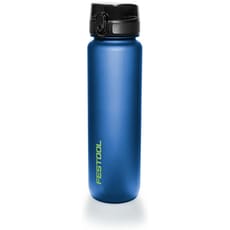
The drinks bottles available at Tooled-Up.com are engineered for reliability in challenging work environments. Whether you're a carpenter working outdoors in summer heat, a plumber navigating tight spaces, or an electrician tackling commercial installations, quick access to fresh drinking water significantly impacts your comfort and performance. Professional bottles like the Festool TFL-FT1 combine durability with thoughtful features such as anti-glug openings, spare seal sets for extended service life, and BPA-free construction materials that ensure safe hydration throughout long shifts.
Quality drinks bottles for tradespeople typically offer capacities ranging from 500ml for compact portability to 1 litre or more for extended work sessions. Many professional bottles are designed to integrate seamlessly with tool storage systems, allowing them to complement your existing kit organisation. Features like wide-mouth openings for easy filling and cleaning, impact-resistant materials that handle drops and knocks, and secure closure systems that prevent spillage make these bottles essential equipment for any serious tradesperson or DIY enthusiast.
Jargon Buster
- BPA-Free
- Bottles manufactured without Bisphenol A, a chemical compound that can leach into liquids. BPA-free construction is now standard for quality drinks bottles and ensures safer hydration throughout the working day.
- Leak-Proof Cap
- A secure lid design with sealing mechanisms (typically silicone gaskets or threaded closures) that prevents liquid spillage even when the bottle is knocked over or stored on its side in a tool bag or vehicle.
- Wide-Mouth Opening
- A larger diameter bottle neck (typically 40mm or more) that makes filling with ice easier, allows for thorough cleaning, and provides faster liquid flow when drinking during quick breaks.
- Anti-Glug Technology
- An innovative opening design that allows air to enter the bottle whilst drinking, preventing the gulping effect that causes uneven flow and spillage, particularly useful when drinking quickly on busy sites.
- Impact-Resistant Construction
- Engineering materials and designs specifically developed to withstand drops, knocks, and rough handling without cracking, denting, or compromising the bottle's structural integrity.
- Tritan Material
- A durable, BPA-free copolyester plastic known for excellent impact resistance, clarity, and resistance to odours and stains. Commonly used in professional-grade drinks bottles for its balance of durability and light weight.
Who Uses Drinks Bottles?
Professional drinks bottles are essential equipment for a wide range of trades and industries:
- Construction Workers: Builders, labourers, and site managers working outdoors who need robust hydration solutions that withstand jobsite conditions
- Carpenters and Joiners: Chippies working on-site or in workshops who require convenient access to water throughout the day
- Electricians: Sparkies working on domestic, commercial, and industrial installations, often in warm roof spaces or plant rooms
- Plumbers and Heating Engineers: Tradespeople working in physically demanding conditions who need reliable, leak-proof hydration
- Landscapers and Groundworkers: Outdoor workers exposed to weather conditions requiring regular fluid intake
- Painters and Decorators: Professionals working in dusty or fume-filled environments where staying hydrated is crucial
- Mechanics and Vehicle Technicians: Workshop-based tradespeople who need spillage-free drinks near valuable equipment
- Roofers and Scaffolders: Workers at height who need secure bottles that won't leak when stored horizontally
- Site Supervisors and Project Managers: Construction professionals moving between locations throughout the day
- DIY Enthusiasts: Home improvers undertaking renovation projects, garden work, or workshop sessions
How to Choose the Right Drinks Bottles
Capacity Requirements: Consider how long you typically work between breaks. A 500ml bottle suits those with frequent access to refills, whilst 1L bottles like the Festool TFL-FT1 are ideal for extended periods on site or remote locations. Balance capacity against portability – larger bottles provide more hydration but add weight and bulk to your kit.
Construction Material: Professional bottles are typically manufactured from durable Tritan plastic, high-density polyethylene, stainless steel, or aluminium. Tritan plastic offers excellent impact resistance whilst remaining lightweight and affordable. Metal bottles provide superior durability and don't retain flavours but are heavier and more expensive. Always ensure any plastic bottles are BPA-free for safe hydration.
Cap and Closure Design: Look for secure, leak-proof caps that won't accidentally open in your tool bag. Screw-top designs offer maximum security, whilst anti-glug or sports caps provide quicker one-handed access when you're mid-task. Consider bottles with spare seal sets included, which extend service life and maintain leak-proof performance over time.
Ease of Cleaning: Wide-mouth bottles are significantly easier to clean thoroughly, reducing bacteria build-up and odour retention. Consider whether the bottle is dishwasher-safe if you prefer mechanical cleaning, though hand-washing is often recommended for bottles with complex cap mechanisms or sealing systems.
Compatibility with Your Kit: Check whether the bottle dimensions suit your tool bag pockets, vehicle cup holders, or storage system. Tooled-Up stocks bottles from professional manufacturers like Festool that integrate with their systainer cases and tool organisation ecosystems, ideal if you already use that system.
Durability Features: For demanding site work, prioritise impact-resistant construction that can handle drops from tool belts or benches. Look for reinforced bases, protective grip zones, and quality materials that won't crack or split under the rigours of daily professional use.
Popular Accessories
- Replacement Caps and Seal Sets: Spare closures and sealing components for when original parts wear out or get lost on site
- Bottle Cleaning Brushes: Long-handled brushes designed to reach the bottom of narrow bottles and clean thoroughly between ridges
- Carabiner Clips: Attachment hardware for securing bottles to tool bags, belts, or rucksacks for easy access
- Tool Bag Organisers: Storage solutions with dedicated bottle compartments from brands like DeWalt, Milwaukee, and Makita
- Cleaning Tablets: Specialised effervescent tablets for deep-cleaning and deodorising reusable bottles
- Bottle Holders and Cages: Mounting brackets for securing bottles in vehicles, workshops, or on machinery
- Insulated Sleeves: Additional protective covers that provide extra cushioning and temperature control
Frequently Asked Questions
How often should I replace my work drinks bottle?
With proper care and regular cleaning, a quality drinks bottle should last several years. Replace your bottle if you notice cracks, persistent odours that won't clean away, damaged seals that cause leaking, or if the cap mechanism fails. Professional bottles with replaceable seal sets can have their service life extended significantly by fitting new seals when the originals show wear.
Are professional-grade bottles like Festool worth the extra cost?
Professional-grade bottles from established tool manufacturers typically justify their premium through superior durability, better material quality, and thoughtful features like anti-glug openings and spare seal sets. The Festool TFL-FT1, for example, includes replacement seals and leak-proof construction specifically engineered for demanding work environments. The investment typically pays off through longevity and reliability compared to standard consumer bottles.
How do I prevent my drinks bottle from developing odours?
Rinse your bottle immediately after use and wash thoroughly with hot soapy water at least daily. Allow it to dry completely with the cap off between uses to prevent bacteria growth. For stubborn odours, soak overnight with a solution of bicarbonate of soda and warm water, or use specialist bottle cleaning tablets. Never leave sugary or dairy-based drinks in your bottle for extended periods, as these promote bacterial growth and lingering smells.
What size bottle should I choose for an 8-hour shift?
Health guidelines suggest drinking approximately 2-3 litres of water daily, with increased requirements during physical work or hot weather. A 1L bottle that you refill 2-3 times during your shift is often more practical than carrying a single larger bottle all day, as it stays lighter and ensures you're drinking fresh water regularly. Consider your access to refill points when choosing capacity.
Can I put my drinks bottle in the dishwasher?
Check the manufacturer's specifications before dishwashing. Many professional bottles can be washed in dishwashers, but bottles with complex seal mechanisms or special coatings may require hand-washing to maintain performance. The high temperatures in dishwashers can sometimes degrade sealing materials over time, so hand-washing with hot soapy water is often recommended to maximise the lifespan of your bottle and its components.