

Drippers
Pay in 3 interest-free payments on purchases from £30-2000 with  . Learn more.
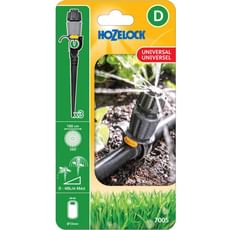
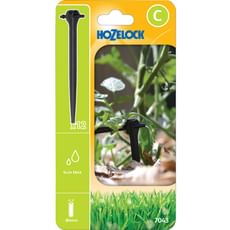
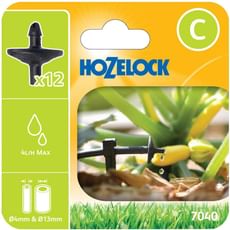
 Loading...
End of content
Error - No more pages to load
About Drippers
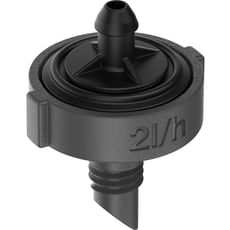
Drippers are precision watering devices that form the heart of any efficient micro-irrigation system, delivering water directly to plant roots with accuracy and control. These specialist components regulate water flow at individual points throughout an irrigation network, making them invaluable for maintaining healthy plants whilst dramatically reducing water consumption. Whether you're nurturing greenhouse vegetables, maintaining hanging baskets, or caring for container plants on patios and balconies, drippers provide targeted hydration that eliminates wasteful runoff and ensures each plant receives precisely the moisture it needs to thrive.
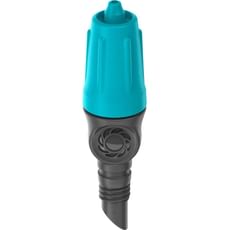
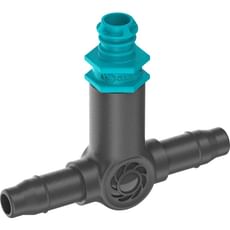
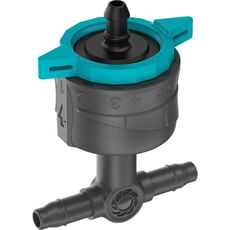
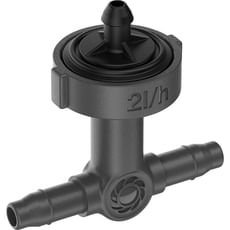
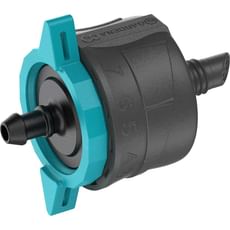
The selection available from Tooled-Up.com includes both inline and endline drippers from industry-leading manufacturers Gardena and Hozelock, offering various flow rates and advanced pressure compensation features. Inline drippers integrate seamlessly between sections of supply tubing, allowing irrigation lines to continue beyond watering points, whilst endline drippers terminate at the final point of each branch. Many models feature adjustable flow rates, permitting customisation of water delivery from 0 to 15 litres per hour depending on specific plant requirements. Pressure compensating drippers maintain consistent water output regardless of system pressure fluctuations or elevation changes, guaranteeing uniform watering across extensive garden areas or challenging terrains.
Drip irrigation systems excel in both domestic gardens and professional horticultural environments, reducing water consumption by up to 70% compared to conventional sprinkler methods. By delivering water slowly and directly to the root zone, drippers minimise evaporation losses, prevent foliar diseases caused by overhead watering, and suppress weed growth in surrounding soil. They prove particularly valuable during hosepipe bans or in water-stressed regions where efficient irrigation represents not just good practice but environmental necessity, making them essential equipment for responsible gardeners and commercial growers alike.
Jargon Buster
- Inline Dripper: A dripper inserted directly into supply tubing, allowing the irrigation line to continue beyond that point. Multiple inline drippers can be installed along a single hose run to water several plants from one supply line, providing flexibility for row planting or border irrigation.
- Endline Dripper: A dripper positioned at the terminal point of an irrigation branch, terminating water flow at that location. These are typically used for individual containers, hanging baskets, or the last plant in a row, often featuring spike attachments for secure positioning.
- Pressure Compensating: A feature that maintains consistent water output across a range of system pressures, typically between 0.5 and 4 bar. Essential for installations with elevation changes or long hose runs where pressure naturally drops, ensuring every plant receives equal watering regardless of distance from the water source.
- Adjustable Flow Rate: The ability to modify water output from a single dripper, usually via a rotating cap or dial mechanism. Allows customisation for different plant types and changing seasonal requirements without replacing components, providing exceptional versatility for mixed plantings.
- Flow Rate: The volume of water delivered per hour, measured in litres per hour (l/h). Common rates range from 2 l/h for small plants and drought-tolerant species to 8-15 l/h for larger specimens, thirsty vegetables, or newly planted shrubs requiring establishment watering.
- Micro-Irrigation: A low-pressure watering system that delivers water in controlled quantities directly to plant roots through drippers, micro-sprayers, or porous tubing. Operating at typical pressures of 1-2 bar, these systems offer superior efficiency compared to traditional watering methods.
Who Uses Drippers?
Drippers serve a diverse range of users across professional horticultural and domestic settings:
- Landscape gardeners installing efficient watering systems for client gardens, commercial landscapes, and public spaces
- Greenhouse growers requiring precise irrigation control for vegetables, flowers, propagation areas, and specialist crops
- Nursery operators maintaining consistent moisture levels across extensive container plant stocks and young plant production
- Allotment holders seeking water-efficient solutions for vegetable plots, raised beds, and fruit cultivation areas
- Garden maintenance contractors installing and servicing irrigation systems across multiple residential and commercial properties
- Agricultural workers managing irrigation in polytunnels, outdoor growing areas, and soft fruit production
- DIY enthusiasts creating automated watering systems for patios, balconies, garden borders, and container displays
- Holiday home owners ensuring plants remain adequately watered during extended absences
- Plant collectors maintaining specialist collections requiring tailored watering regimes
- School groundskeepers and community garden volunteers managing efficient irrigation on limited budgets
How to Choose the Right Drippers
Installation Position: Determine whether you require inline drippers for mid-run installations or endline drippers for terminating branches. Inline models permit system expansion and are ideal for watering multiple plants along borders or rows, whilst endline drippers simplify installation for individual pots, hanging baskets, or final positions in irrigation runs.
Pressure Compensation: For systems covering varying elevations, extended hose runs exceeding 10 metres, or installations with multiple drippers on a single line, pressure compensating models ensure uniform water delivery throughout. Standard drippers prove suitable for short, level installations with fewer outlets, offering a more economical solution where pressure variations remain minimal.
Flow Rate Requirements: Match dripper output to plant water demands—smaller pots, succulents, and drought-tolerant plants thrive with 2-4 l/h, whilst vegetables, bedding plants, and moisture-loving shrubs may require 6-10 l/h. Adjustable drippers offer flexibility for mixed plantings and changing seasonal requirements, though fixed-rate models provide reliability and lower initial costs for consistent applications.
System Compatibility: Ensure drippers match your supply tubing diameter, typically 4mm for branch lines or 13mm for main supply runs in domestic systems. Gardena MICRO DRIP and Hozelock MICRO systems use manufacturer-specific fittings, so maintain brand consistency throughout your installation for secure, leak-free connections and guaranteed compatibility.
Water Quality: If using mains water with high mineral content or collected rainwater containing organic particles, pressure compensating drippers with built-in filtration help prevent clogging and maintain reliable long-term performance. Consider installing in-line filters at the water source for additional protection against sediment accumulation.
Adjustability Requirements: Fixed-rate drippers cost less and suit installations where plant water requirements remain consistent throughout the season. Adjustable models justify their premium when watering diverse plant types, accommodating plants with changing needs, or where future flexibility proves valuable for evolving garden layouts.
Popular Accessories
Maximise your drip irrigation system's effectiveness with these complementary products available at Tooled-Up:
- Micro-irrigation supply tubing in 4mm and 13mm diameters for connecting drippers throughout your system and creating distribution networks
- Irrigation timers and automatic controllers for scheduled watering programmes, ensuring consistent plant care even during absences
- Pressure regulators to maintain optimal system pressure between 1-2 bar and protect drippers from damage caused by excessive mains pressure
- T-pieces, connectors, elbows, and cross-pieces for routing supply lines around garden features and creating complex irrigation layouts
- End plugs, line clips, and securing stakes for terminating unused branches and positioning tubing precisely along borders and beds
- Filter units and inline strainers to prevent sediment, scale, and organic matter from clogging dripper outlets and compromising performance
- Hole punches and installation tools for cleanly piercing supply tubing when installing inline drippers without damaging pipe integrity
- Water butts, rain harvesting systems, and header tanks for sustainable irrigation water sources and reduced mains water consumption
- Support stakes, adjustable clips, and dripper holders for positioning emitters precisely at plant roots and preventing displacement
- Extension stakes and rigid support tubes for delivering water to hanging baskets and elevated containers
Frequently Asked Questions
How many drippers can I run from a single tap?
This depends on your mains water pressure and the combined flow rates of all drippers. Most domestic garden taps provide sufficient pressure for 20-40 drippers on a single line, assuming standard 2-4 l/h flow rates. Pressure compensating drippers perform better on extended systems with numerous outlets. Calculate total flow requirement by multiplying dripper quantity by individual flow rates, ensuring the sum doesn't exceed your supply capacity—typically around 1000-1500 l/h for a standard garden tap at typical UK mains pressure. Installing a pressure gauge at the tap helps determine actual available flow.
What's the difference between pressure compensating and standard drippers?
Standard drippers deliver more water when pressure is high and less when pressure drops, resulting in uneven watering on sloped terrain, long hose runs, or systems with elevation changes. Plants nearest the water source receive excessive water whilst those furthest away remain under-watered. Pressure compensating drippers incorporate internal diaphragm mechanisms that maintain consistent output regardless of pressure variations between 0.5-4 bar, ensuring every plant receives equal water distribution. They cost more but prove essential for reliable performance in challenging installations or extensive systems.
How do I prevent drippers from clogging?
Install a filter at your water source to remove sediment, scale particles, and debris before they enter the system. Regular system flushing—removing end plugs and running water through lines at full pressure—clears accumulated particles from tubing. Using mains water rather than unfiltered rainwater significantly reduces clogging risk, though rainwater remains suitable with proper filtration. Pressure compensating models often include built-in filters for additional protection. Periodic inspection and cleaning of dripper outlets with a fine wire or pin maintains optimal flow rates and prevents complete blockages.
Can I adjust water flow on fixed-rate drippers?
No, fixed-rate drippers deliver a preset, non-adjustable flow volume determined during manufacture. For variable output, choose models specifically labelled as "adjustable" which feature rotating caps, dials, or sliding collars to modify flow rates between 0 and maximum output—typically 10-15 l/h. Alternatively, combine different fixed-rate drippers throughout your system to match individual plant requirements, using lower flow models for small pots and higher rates for large containers or thirsty vegetables. This approach often proves more economical than using adjustable drippers throughout.
How long should I run my drip irrigation system each day?
This varies considerably by plant type, container size, growing medium, and weather conditions. As a starting point, run the system for 30-45 minutes daily during warm weather, adjusting based on soil moisture monitoring—soil should be moist throughout the root zone but not waterlogged or showing surface pooling. Container plants may require twice-daily watering during hot spells, whilst established border plants might need only every other day. Automatic timers allow precise scheduling and can operate systems during early morning when evaporation remains minimal and water pressure proves highest, maximising efficiency and plant uptake.