

Drive Handles

Pay in 3 interest-free payments on purchases from £20-£3000 with  . Learn more.


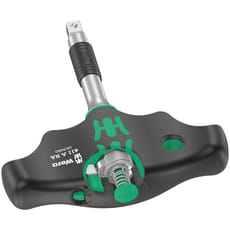
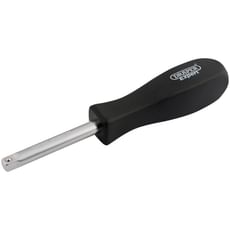
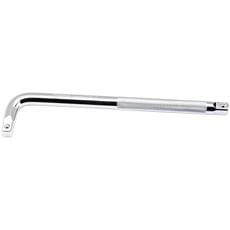
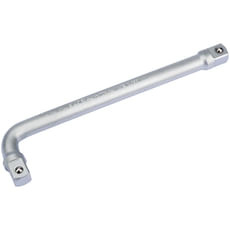
 Loading...
End of content
Error - No more pages to load
About Drive Handles
Drive handles are the fundamental link between hand and socket, transforming rotational force into the torque needed to fasten or loosen countless fixings across automotive, engineering and construction applications. These essential tools come in several distinct configurations—ratchet handles, spinner handles, offset handles, T-bar handles and breaker bars—each engineered for specific situations where different levels of torque, speed or access are required. Available in the three standard drive sizes of 1/4", 3/8" and 1/2" square drive, drive handles form the backbone of professional socket work across every trade and workshop in the UK.
Whether working in the confined spaces beneath a vehicle, rapidly running down fasteners on an assembly line, or applying serious leverage to stubborn bolts on agricultural machinery, there's a drive handle designed precisely for the task. Quality drive handles from respected manufacturers like Wera, Draper and Elora are manufactured to exacting standards, ensuring the square drive fitting remains precisely sized to prevent rounding and the handles provide comfortable, ergonomic grip even under sustained professional use. The selection available from Tooled-Up.com includes everything from compact 1/4" ratchets for delicate work through to robust 1/2" breaker bars for heavy-duty applications.
Modern drive handles incorporate thoughtful design features such as quick-release mechanisms for rapid socket changes, dual-material grips for comfort and control, and hardened chrome vanadium steel construction for durability under professional use. From the basic spinner handle that allows rapid fastener rotation to sophisticated fine-tooth ratchet mechanisms that enable work in restricted spaces with minimal swing arc, understanding the different types available helps tradespeople select the right tool for each specific task and maintain efficiency throughout the working day.
Jargon Buster
- Square Drive: The square-profiled fitting on the drive handle (typically 1/4", 3/8" or 1/2") that accepts sockets and other drive accessories. The square shape provides four contact points for efficient torque transfer without rounding fasteners.
- Spinner Handle: A drive handle that rotates freely around the centre axis, allowing rapid spinning of fasteners by hand when torque requirements are minimal, ideal for running fasteners in or out quickly once loosened or before final tightening.
- Offset Handle: A drive handle with the square drive positioned at 90 degrees to the grip, providing increased leverage and allowing work in confined spaces where a straight handle wouldn't fit, particularly useful beneath vehicles or in engine bays.
- Ratchet Mechanism: An internal mechanism allowing the handle to turn the fastener in one direction whilst freeing in the other, eliminating the need to remove and reposition the socket with each stroke, essential for restricted spaces.
- T-Handle: A drive handle shaped like the letter 'T', providing a comfortable two-handed grip for applying controlled torque, particularly useful when precision is more important than speed or when working with torque specifications.
- Breaker Bar: An extended non-ratcheting handle designed specifically for breaking loose stubborn fasteners, providing maximum leverage without the complexity of a ratchet mechanism that might fail under extreme loads.
Who Uses Drive Handles?
- Motor Mechanics and Vehicle Technicians: Using drive handles daily for engine work, suspension repairs, brake servicing and general vehicle maintenance across workshops throughout the UK.
- Plant Fitters and Agricultural Engineers: Maintaining heavy machinery, tractors and agricultural equipment where socket work is fundamental to keeping operations running.
- Motorcycle Mechanics: Working in the confined spaces typical of motorcycle maintenance where offset and ratchet handles with fine tooth counts excel.
- Bicycle Mechanics: Using smaller 1/4" drive handles for precise work on modern bicycle components, disc brakes and suspension systems.
- Assembly Workers and Production Engineers: Rapidly fastening components on manufacturing and assembly lines where speed and consistency are crucial.
- Maintenance Engineers: Conducting routine maintenance across industrial facilities, factories and commercial buildings, often working in awkward positions.
- Plumbers and Heating Engineers: Assembling and maintaining pipework, valves, radiators and heating system components where socket access is often restricted.
- HGV and Plant Mechanics: Working on large commercial vehicles and construction equipment requiring robust 1/2" drive tools for heavy-duty fasteners.
- DIY Enthusiasts: Tackling home maintenance, automotive repairs and general projects requiring socket work with reliable, quality tools.
- Agricultural Workers: Maintaining farm equipment, gates, fencing and agricultural machinery in field conditions where durability matters.
How to Choose the Right Drive Handles
Drive Size Compatibility: Ensure your drive handle matches your socket collection and typical fastener sizes. The 1/4" drive suits smaller fasteners and delicate work, 3/8" drive offers versatility for general tasks, whilst 1/2" drive provides the strength for heavy-duty applications and larger fasteners. Most professionals maintain handles in multiple drive sizes to cover all eventualities.
Handle Type for Application: Consider your most frequent tasks. Ratchet handles with fine tooth counts (72 teeth or more) require minimal swing arc, perfect for restricted spaces under bonnets or behind panels. Spinner handles excel at rapid fastener running once loosened. Offset handles provide leverage and access in tight spots, whilst T-handles deliver controlled torque application for precision work to manufacturer specifications.
Quality and Durability: Professional-grade drive handles from manufacturers like Wera, Elora and Draper—available at Tooled-Up.com—use hardened chrome vanadium steel for the square drive and incorporate robust ratchet mechanisms that withstand daily professional use. Check for smooth operation, secure socket retention via ball-detent systems, and comfortable grip materials that won't deteriorate with exposure to oils, solvents and workshop conditions.
Length Considerations: Longer handles provide greater leverage for stubborn fasteners but are less suitable for confined spaces. Consider whether you need the extra torque multiplication of a 450mm breaker bar or whether a shorter, more manoeuvrable 250mm ratchet handle better suits your typical working environment and access requirements.
Ergonomics and Comfort: If you're using drive handles throughout the working day, ergonomic design becomes crucial for reducing fatigue and maintaining productivity. Look for handles with dual-material grips that provide both comfort and secure purchase, even with oily hands. The grip diameter and overall balance significantly affect user fatigue during extended use on production lines or lengthy maintenance tasks.
Quick-Release Mechanisms: Ball-detent systems are standard for socket retention, but some handles feature push-button quick-release mechanisms that speed socket changes considerably during production work or when frequently swapping between socket sizes throughout assembly or maintenance procedures.
Popular Accessories
- Socket Sets: The primary accessory for any drive handle, available in metric and imperial sizes, standard and deep configurations, from manufacturers like Draper and Elora.
- Extension Bars: Allow access to recessed fasteners, available in various lengths from short 50mm versions through to extended 300mm+ bars for deep engine bay work.
- Universal Joints: Enable working at angles when direct access isn't possible, essential for awkward fastener positions behind suspension components or in tight chassis areas.
- Drive Adapters: Convert between different drive sizes, allowing use of 3/8" sockets with 1/2" handles, or 1/4" sockets with 3/8" ratchets for increased versatility.
- Torque Wrenches: Provide accurate torque readings when precision tightening is required to manufacturer specifications, particularly important for critical fasteners.
- Hex Bit Holders: Accept standard hex bits for driving screws and hex fasteners using your drive handle, expanding functionality beyond pure socket work.
- Socket Rails and Organisers: Keep sockets and drive handles organised in toolboxes or on workshop walls, improving efficiency and protecting tools from damage.
- Impact Sockets: Specially hardened sockets designed to withstand impact wrench use, though also compatible with manual drive handles for heavy-duty applications.
Safety Information
Always select a drive handle appropriately rated for the torque you intend to apply. Whilst drive handles are robust tools, using undersized handles or ratchets as breaker bars can result in mechanical failure, potentially causing injury from flying components or sudden hand slippage. Never extend drive handles with pipes or additional leverage unless the tool is specifically designed for such use, as this can exceed the working load limit and cause catastrophic failure.
Ensure sockets are securely engaged on the square drive before applying force to prevent the socket detaching unexpectedly, which poses particular risks when working beneath vehicles or overhead. Inspect drive handles regularly for wear, particularly checking the square drive for rounding or damage that could compromise secure socket engagement. Replace worn or damaged handles promptly to maintain safe working practices in accordance with HSE guidelines for workplace equipment.
When applying significant force, position yourself to avoid injury should the fastener suddenly break free or the handle slip. Use controlled, steady pressure rather than jerky movements, and always pull towards yourself where possible rather than pushing away. Wear appropriate PPE including safety glasses to protect against rust particles, debris or potential fastener failure, particularly when working beneath vehicles or overhead. Ensure adequate lighting and stable footing when applying leverage to prevent slips and falls in workshop or site environments.
Frequently Asked Questions
What's the difference between a ratchet handle and a spinner handle?
A ratchet handle contains an internal mechanism allowing it to turn fasteners in one direction whilst freeing in the other, so you don't need to remove the socket between strokes—essential for working in confined spaces with limited swing arc. A spinner handle rotates freely around its centre axis, allowing rapid hand-spinning of fasteners when minimal torque is required, ideal for quickly running fasteners in or out once they're loosened or before final tightening.
Which drive size should I choose for general use?
For versatile general use, 3/8" square drive offers the best balance between strength and accessibility to different fastener sizes encountered in typical automotive and maintenance work. However, serious professionals typically maintain handles in all three sizes: 1/4" drive for smaller work and confined spaces, 3/8" for general tasks, and 1/2" drive for larger fasteners and heavy-duty applications where greater torque is required on commercial vehicles or plant machinery.
Can I use a ratchet handle as a breaker bar?
Whilst quality ratchet handles from brands like Wera and Draper are robust, they're not designed for the extreme forces applied when breaking loose seized fasteners. The ratchet mechanism can be damaged by excessive torque, rendering the tool useless. For stubborn fasteners, use a dedicated breaker bar or non-ratcheting offset handle, then switch to a ratchet handle once the fastener is loosened for efficient removal.
What tooth count should I look for in a ratchet handle?
Higher tooth counts (72 teeth or more) provide finer control and require less swing arc to operate—typically just 5 degrees—which is invaluable in restricted spaces under bonnets or behind panels. However, they may be slightly less robust under extreme loads compared to lower tooth count mechanisms. For general professional use, 72-tooth ratchets from quality manufacturers available at Tooled-Up provide excellent performance and durability for daily workshop applications.
Do I need different drive handles for metric and imperial sockets?
No, the square drive sizes (1/4", 3/8", 1/2") are standardised internationally, so the same drive handle works with both metric and imperial sockets of the matching drive size. The square drive fitting is identical regardless of whether you're using metric 10mm sockets or imperial 3/8" sockets, providing flexibility across different fastener systems commonly encountered in UK workshops.