

Drum Fans
Pay in 3 interest-free payments on purchases from £30-2000 with  . Learn more.
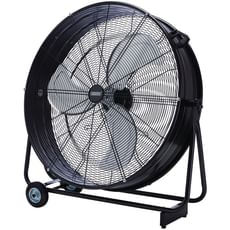
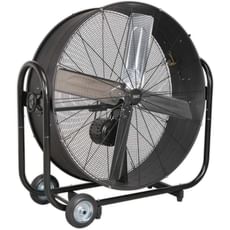
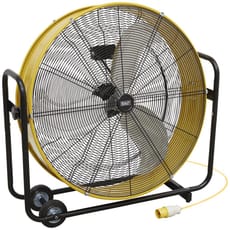
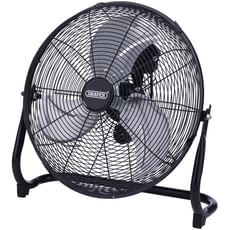
 Loading...
End of content
Error - No more pages to load
About Drum Fans
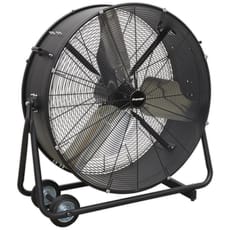
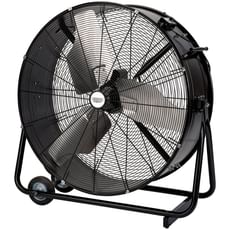
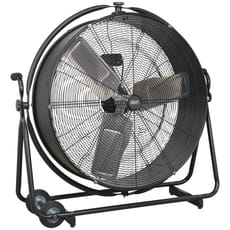
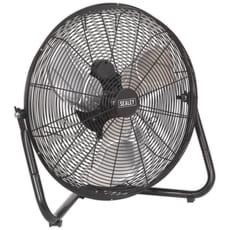
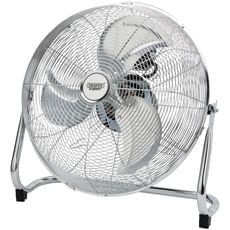
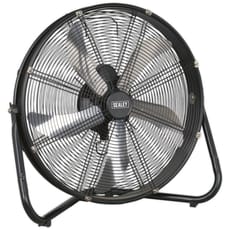
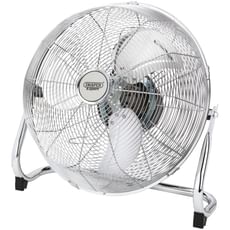
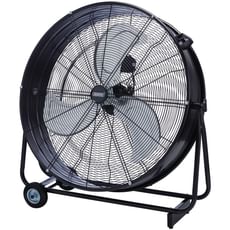
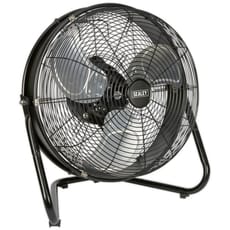
Drum fans, also known as barrel fans or cylindrical floor fans, are powerful ventilation solutions designed to move large volumes of air in industrial, commercial, and construction environments. Distinguished by their robust cylindrical drum design and heavy-duty metal construction, these high-velocity fans deliver exceptional airflow to cool workspaces, accelerate drying processes, improve ventilation, and enhance working conditions in demanding situations. Unlike lightweight domestic fans, drum fans are engineered for continuous operation in challenging environments—from dusty building sites and hot warehouses to flood-damaged properties requiring rapid drying.
Available in sizes ranging from compact 16-inch models to substantial 30-inch industrial units, drum fans generate impressive airflow measured in cubic metres per hour (m³/h), with professional models delivering between 5,000 and 15,000 m³/h. Tooled-Up.com stocks drum fans from leading manufacturers including Sealey and Draper, featuring durable construction, stable bases, and powerful motors capable of projecting air across considerable distances. Many models incorporate oscillation functions to distribute airflow across wider areas, whilst premium versions offer variable speed settings to match specific cooling or drying requirements. Advanced features include tilt cradles for directing airflow vertically, protective chrome-plated grilles for enhanced safety, and internal oscillation mechanisms for improved air circulation.
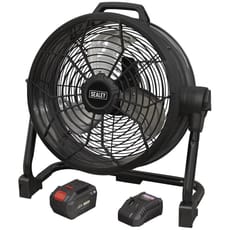
Modern drum fans cater to diverse working environments with multiple power supply options. Standard 240v mains-powered units suit workshops and fixed locations with reliable electricity access, whilst 110v models comply with HSE recommendations for construction sites where reduced voltage minimises electrical shock risks. Innovative cordless battery-powered drum fans, such as the Sealey HVD16C 20v model, eliminate trailing cables entirely, providing maximum flexibility and reducing trip hazards in busy work areas. Whether accelerating plaster drying, improving warehouse worker comfort, or providing emergency ventilation during restoration work, drum fans deliver the robust performance that professional applications demand.
Jargon Buster
- High Velocity (HV): Refers to fans specifically designed to move air at increased speeds, creating powerful airflow capable of reaching across large spaces or providing substantial cooling effect. High velocity drum fans typically feature more powerful motors and aerodynamically optimised blade designs for maximum air movement.
- Cubic Metres per Hour (m³/h): The standard measurement for airflow capacity, indicating the volume of air the fan can circulate in one hour. Higher values mean greater air circulation—industrial drum fans typically range from 5,000 to over 15,000 m³/h depending on size and motor power.
- Oscillation: The side-to-side rotating movement that distributes airflow across a wider area rather than directing it in a single fixed direction. Some drum fans feature internal oscillation mechanisms that rotate the blade assembly, whilst others oscillate the entire drum housing for broader coverage.
- IP Rating: Ingress Protection rating indicating the fan's resistance to solid particles (dust) and moisture ingress. Particularly important for construction sites and industrial environments where fans may be exposed to harsh conditions. Higher IP ratings indicate better protection against environmental factors.
- 110v Site Voltage: The reduced voltage electrical supply commonly used on UK construction sites as recommended by HSE guidelines to reduce electric shock severity. Many professional drum fans are available in 110v versions requiring a site transformer to convert from standard 240v mains supply.
- Tilt Function: The ability to angle the fan upwards or downwards using an adjustable cradle mechanism to direct airflow precisely where needed. Particularly useful for drying ceilings, walls, or directing air across elevated work areas during construction and restoration projects.
Who Uses Drum Fans?
Drum fans serve a wide range of professional trades and industries requiring powerful, reliable air movement:
- Builders and general contractors—accelerating drying times for plaster, concrete, screed, and newly applied finishes on construction sites
- Plasterers and renderers—speeding drying between coats and before decoration work commences
- Painters and decorators—improving ventilation to disperse paint fumes and solvent vapours whilst accelerating paint and coating drying
- Flood restoration specialists—drying water-damaged properties in conjunction with industrial dehumidifiers
- Warehouse and logistics managers—maintaining comfortable working temperatures and air circulation in large storage facilities
- Factory and manufacturing supervisors—cooling production areas and providing worker comfort in hot industrial environments
- Agricultural workers—ventilating barns, drying crops and grain stores, and cooling livestock housing during warm weather
- Event and marquee companies—providing ventilation and cooling for temporary structures and outdoor events
- Facilities and maintenance teams—improving air circulation in commercial buildings, gymnasiums, and sports facilities
- Automotive workshops—ventilating spray booths and dispersing fumes from bodywork and painting operations
- Groundskeepers and sports pitch maintenance—drying playing surfaces after rain or pitch maintenance work
- DIY enthusiasts—tackling home renovation projects requiring professional-grade air movement and drying capability
How to Choose the Right Drum Fans
Fan Size and Airflow Capacity
Drum fans typically range from 16 to 30 inches in diameter, with larger drums moving substantially greater air volumes. A 16-inch model suits smaller workshops, domestic renovation projects, and targeted drying tasks, whilst 24-inch and 30-inch industrial units are necessary for warehouses, large construction projects, and substantial commercial spaces. Always check the m³/h rating to ensure adequate airflow for your specific application—calculate room volume and aim for 10-15 air changes per hour for general ventilation requirements.
Power Supply Requirements
Consider your working environment carefully when selecting power options. Standard 240v models suit fixed workshops and locations with reliable mains electricity access. For construction sites, 110v models comply with HSE guidance and operate from site transformers for enhanced electrical safety. Cordless battery-powered drum fans offer maximum flexibility, eliminating trip hazards from trailing cables and enabling use in areas without convenient power access, though they typically provide more modest runtime and are available in smaller sizes compared to mains-powered equivalents.
Oscillation and Directional Control
Oscillating models distribute airflow across wider areas, making them ideal for general cooling or ventilating large open spaces. Fixed-direction fans concentrate airflow more intensely on specific areas, better for targeted drying tasks such as accelerating plaster or paint curing. Models like the Draper Expert HV16 feature patented switchable internal oscillation, allowing you to alternate between fixed and oscillating modes. Tilt adjustment functionality adds considerable versatility, enabling you to direct air upwards for ceiling work, horizontally for general circulation, or downwards for floor drying applications.
Speed Settings and Control
Variable speed controls allow you to match airflow intensity to specific requirements—higher speeds for maximum cooling or rapid drying, lower speeds for background ventilation or noise-sensitive environments. Three-speed motors provide excellent versatility for different applications throughout the working day. Single-speed units are simpler, typically more affordable, and require less maintenance, but offer reduced flexibility for varying working conditions.
Build Quality and Durability
Professional drum fans available from Tooled-Up should feature robust metal construction capable of withstanding site conditions, impacts, and regular transportation between jobs. Look for stable bases with rubber feet that won't tip easily on uneven surfaces, protective metal grilles preventing accidental contact with rotating blades, and integrated carry handles for convenient movement. Premium models from Sealey's HVDP Premier series and Draper's Expert range offer enhanced durability, superior motors, and extended warranties for intensive commercial use.
Noise Levels
Powerful drum fans inevitably generate operational noise, but levels vary considerably between models and speed settings. If operating in occupied commercial spaces or noise-sensitive environments, check decibel ratings in product specifications and consider whether lower speed settings might provide acceptable performance with reduced noise output. Position fans strategically to maximise effectiveness whilst minimising disturbance to workers or building occupants.
Popular Accessories
- Extension Leads and Cable Reels: Heavy-duty electrical extensions rated appropriately for fan power consumption, essential for reaching distant work areas whilst maintaining electrical safety standards
- 110v Site Transformers: Required for operating 110v drum fans from standard 240v mains supply on construction sites, typically available in 2kVA to 5kVA capacities
- Industrial Dehumidifiers: Complement drum fans for water damage restoration, flood recovery, and accelerated drying in damp environments by removing moisture from circulating air
- Workshop Heaters: Combined with fans for rapid air circulation and temperature control during cold weather working, creating comfortable conditions whilst accelerating material curing
- Battery Packs and Chargers: Additional power sources extending runtime for cordless drum fan models during long shifts, particularly important for all-day site work
- Protective Covers and Storage Cases: Safeguard fans during transportation and storage between jobs, preventing damage to motors and housing
- RCD Protection Devices: Residual current devices providing additional electrical safety when using 240v equipment, particularly important in damp or outdoor environments
- Power Distribution Units: Multi-outlet blocks allowing multiple pieces of equipment to run from single power sources on site whilst maintaining circuit protection
Safety Information
Drum fans are powerful electrical equipment requiring appropriate safety precautions during operation. Always position the fan on stable, level ground to prevent tipping—particularly important with larger models generating significant vibration during high-speed operation. Keep the unit well clear of water, wet surfaces, and areas prone to moisture unless specifically rated for such environments, as electrical equipment and water create serious shock hazards.
Before operation, inspect the protective grille for damage, cracks, or deformation, and ensure it's securely fastened with all clips or fixings intact. Never operate a drum fan with damaged, loose, or removed guards, as rotating blades present serious injury risks. Position fans where trailing cables won't create trip hazards in busy work areas, using cable management systems or tape to secure cables where necessary. On construction sites, always use 110v models or cordless alternatives as recommended by HSE guidance to reduce electric shock severity in the event of cable damage or equipment faults.
Ensure adequate ventilation when using drum fans in enclosed spaces, remembering that they circulate but don't refresh air with outside oxygen. This is particularly important when dispersing paint fumes, adhesive vapours, dust, or other airborne contaminants—consider supplementary extraction or fresh air supply for confined spaces. Never direct fans towards flammable materials, heating equipment, gas cylinders, or open flames. Allow adequate cooling time before moving or storing fans after extended operation, as motors and metal housings can become extremely hot to touch.
Regularly inspect power cables for cuts, abrasion, or damage to outer sheathing, and withdraw from service any equipment showing signs of wear, exposed wiring, or electrical faults. Ensure fans are switched off and disconnected from power supplies before cleaning, adjusting, or performing any maintenance. When using on construction sites, protect equipment from falling debris, and position away from cutting, grinding, or welding operations where sparks or hot materials could cause damage.
Frequently Asked Questions
What's the difference between drum fans and pedestal fans?
Drum fans feature cylindrical barrel designs with airflow directed horizontally from a low, floor-standing position, offering greater stability and typically higher airflow volumes suited to industrial applications. Their low centre of gravity and wide footprint make them difficult to tip over on busy sites. Pedestal fans have elevated circular fan heads mounted on adjustable vertical poles, better for directing airflow at different heights and over obstructions, but generally less powerful and stable than drum fans for heavy-duty commercial use. Drum fans excel for floor-level drying and general circulation in large spaces, whilst pedestal fans suit directing airflow at working height in occupied areas.
Can I use a 240v drum fan on a construction site?
Whilst not illegal, HSE guidance strongly recommends 110v equipment on construction sites to reduce electric shock severity if cables are damaged by site activities or equipment develops electrical faults. Many construction sites mandate 110v equipment in their safety policies and site rules. If mains voltage 240v equipment must be used, ensure it's protected by a 30mA RCD (residual current device), regularly test the RCD function, position equipment away from high-risk areas such as wet conditions or excavations, and use highly visible cable protection. Consider cordless battery-powered models as an alternative that eliminates voltage concerns entirely.
How do I calculate what size drum fan I need?
For general ventilation, calculate room volume by multiplying length × width × height in metres, then look for fans providing 10-15 air changes per hour—divide the fan's m³/h rating by room volume to determine air changes per hour. For example, a 100m³ room requires a fan delivering 1,000-1,500 m³/h for adequate circulation. For targeted drying tasks, positioning matters more than room size—a smaller 16-inch fan positioned close to wet surfaces often proves more effective than a distant larger unit. Commercial warehouses and industrial spaces typically require 24-inch or 30-inch models, whilst 16-18-inch fans suit smaller workshops, domestic spaces, and targeted applications.
How long can I run a drum fan continuously?
Quality industrial drum fans from manufacturers like Sealey and Draper are designed for continuous operation and can run for extended periods, often days at a time for applications such as flood restoration or construction drying. However, it's good practice to allow periodic cooling breaks during extremely long shifts, particularly in high ambient temperatures. Always follow the manufacturer's specific guidance in the user manual. Ensure adequate ventilation around the motor housing, keep air intake grilles clear of obstructions, dust, and debris, and monitor the unit periodically for unusual noises, vibration, or overheating during prolonged use.
Are cordless drum fans powerful enough for professional use?
Modern battery-powered drum fans offer impressive performance suitable for many professional applications, with the significant advantage of eliminating trailing cables, reducing trip hazards, and enabling use in areas without convenient power access. However, they typically provide more modest airflow than mains-powered equivalents of similar size and require battery management for extended jobs—expect 2-4 hours runtime per battery charge depending on speed setting. They excel in situations requiring mobility, temporary positioning, working across multiple locations, or areas where cable management is problematic, but large-scale ventilation projects, continuous multi-day drying operations, or warehouse cooling still favour mains-powered models for sustained high-output performance.