

Drum Stands
Pay in 3 interest-free payments on purchases from £30-2000 with  . Learn more.

 Loading...
End of content
Error - No more pages to load
About Drum Stands
Drum stands, dollies and cradles are indispensable workshop equipment designed to safely store, transport and dispense liquids from standard 205-litre drums. These robust handling solutions enable tradespeople and facilities managers to manoeuvre heavy drums with ease whilst maintaining proper workplace safety standards. Whether working with engine oils, industrial lubricants, hydraulic fluids or COSHH-regulated chemicals, a quality drum stand provides a stable, ergonomic platform that significantly reduces the risk of spills and manual handling injuries in professional environments.
Most drum handling equipment is engineered to accommodate standard 205-litre (45-gallon) steel drums, featuring heavy-duty steel construction with powder-coated finishes for exceptional durability in demanding workshop and industrial settings. Drum dollies typically incorporate castor wheels for smooth mobility around facilities, whilst drum cradles hold drums at controlled angles for efficient dispensing operations. Many models include integrated spill containment features to comply with HSE guidelines and environmental regulations, helping businesses maintain safe working practices when handling potentially hazardous substances.
The selection at Tooled-Up.com includes quality drum handling equipment from trusted manufacturers like Sealey and Draper, offering proven reliability in professional workshop environments. By investing in proper drum storage and handling solutions, businesses protect their workforce from manual handling risks whilst demonstrating compliance with health and safety requirements and preventing costly spills that could damage premises or contaminate drainage systems.
Jargon Buster
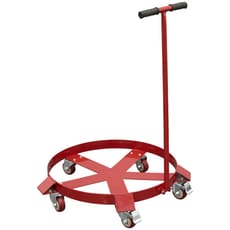
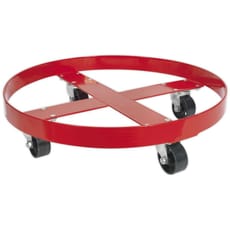
- Drum Dolly: A wheeled platform with raised edges designed to support a 205-litre drum in an upright position, allowing easy transportation around workshops or warehouses without manual lifting. Features castor wheels for smooth manoeuvrability.
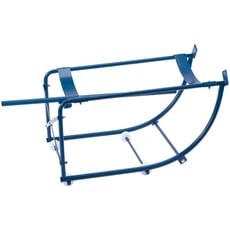
- Drum Cradle: A tilting frame that holds a drum at an angle (typically 45 degrees), facilitating easier dispensing of liquids via the drum's tap or bung without requiring pumping equipment. Ideal for controlled pouring applications.
- Spill Tray/Bund: A containment vessel positioned beneath drums to catch drips, leaks or spills, preventing contamination of workshop floors and ensuring compliance with environmental protection regulations.
- Load Capacity: The maximum weight a drum stand can safely support, typically ranging from 300kg to 500kg to accommodate full 205-litre drums plus the considerable weight of liquid contents.
- COSHH Compliance: Meeting the Control of Substances Hazardous to Health regulations, which require proper storage and handling of chemicals and hazardous liquids in UK workplaces, including adequate spill containment.
- Castor Wheels: Swivel wheels fitted to drum dollies, often featuring brakes to secure the drum in position once moved to the desired location, ensuring stability during dispensing operations.
Who Uses Drum Stands?
Drum stands and handling equipment are essential tools across numerous trades and industries:
- Vehicle Mechanics and Auto Workshops: For storing and dispensing engine oils, brake fluids, coolants and lubricants in service bays
- Manufacturing Facilities: Managing industrial lubricants, hydraulic fluids and process chemicals across production lines
- Plant Operators and Maintenance Engineers: Handling oils and fluids for heavy machinery servicing and preventative maintenance
- Agricultural Workers: Storing and dispensing diesel, hydraulic oils and agricultural chemicals on farms and estates
- Facilities Managers: Maintaining heating oil supplies and cleaning chemicals for commercial buildings and estates
- Warehouse and Logistics Operations: Moving and storing bulk liquid supplies efficiently in distribution centres
- Industrial Cleaners: Managing large quantities of cleaning chemicals and detergents for contract cleaning operations
- Construction Site Managers: Handling fuels, oils and site chemicals in compliance with safety regulations on active sites
- Marine and Boatyard Facilities: Storing engine oils, lubricants and maintenance fluids for vessel servicing
How to Choose the Right Drum Stands
Selecting appropriate drum handling equipment depends on several key factors:
Intended Use: Determine whether you need mobility (drum dolly), dispensing capability (drum cradle), or static storage. If you regularly move drums between locations within your facility, a dolly with smooth-rolling castors is essential. For dispensing applications where you need to pour or pump liquids, a cradle provides the correct angle for controlled operations.
Load Capacity: Ensure the drum stand's rated capacity exceeds the combined weight of your drum and contents. A full 205-litre drum of engine oil can weigh 250kg or more, so look for units rated to at least 300-350kg for an adequate safety margin. Never compromise on load capacity ratings.
Spill Containment Requirements: Consider models with integrated spill trays or purchase separate bunding equipment to comply with environmental and HSE regulations. This is particularly crucial when handling oils, chemicals or any COSHH-regulated substances. Your containment should hold at least 110% of the largest drum's contents.
Wheel Configuration: Drum dollies with four or five castor wheels provide better stability and manoeuvrability across workshop floors. Braking castors are essential for securing the drum in position during dispensing operations. Check wheel diameter for smooth movement over uneven surfaces.
Build Quality: Look for heavy-gauge steel construction with protective powder coating to resist corrosion from chemical exposure. Tooled-Up stocks proven brands like Sealey and Draper that offer exceptional durability in professional workshop environments, ensuring long-term reliability.
Workshop Space: Consider the footprint of the drum stand and ensure you have adequate clearance for manoeuvring wheeled models through doorways, between racking and around equipment. Measure access routes before purchasing larger units.
Popular Accessories
Enhance your drum handling setup with these complementary products:
- Spill Trays and Bunds: Additional containment capacity for multi-drum storage areas and compliance with environmental regulations
- Drum Pumps: Hand-operated or electric pumps for controlled dispensing of oils and chemicals into smaller containers
- Drum Taps and Bungs: Replacement fittings and dispensing taps for easier liquid access and controlled pouring
- Absorbent Materials: Spill kits, absorbent pads and granules for managing accidental releases and maintaining clean work areas
- Drum Funnels: For safe transfer of liquids from drums to smaller containers without spillage
- Personal Protective Equipment: Chemical-resistant gloves, safety goggles and aprons when handling hazardous liquids
- Workshop Flooring Protection: Anti-slip mats and protective floor covering for high-traffic drum storage areas
- Waste Oil Containers: For environmentally compliant disposal of used oils and fluids according to regulations
- Drum Labels and Markers: For clear identification of contents and hazard warnings on stored drums
Safety Information
Proper use of drum stands is crucial for workplace safety and regulatory compliance:
Manual Handling: Never attempt to lift or tip full 205-litre drums manually. Always use appropriate mechanical handling equipment such as drum dollies or cradles. Follow HSE manual handling guidelines to prevent back injuries and workplace accidents. A full drum can exceed 250kg and presents serious injury risks if handled incorrectly.
Spill Prevention: Ensure drum stands are positioned on level, stable flooring away from heat sources and ignition points. Use spill trays or bunds beneath all drums containing oils, chemicals or hazardous substances to comply with COSHH and environmental protection regulations. Regular inspection of containment equipment is essential.
Load Limits: Never exceed the manufacturer's stated load capacity. Overloading drum stands can lead to structural failure, resulting in dangerous spills and potential injuries. Always verify the weight of drum contents before loading onto handling equipment.
Secure Positioning: Always engage wheel brakes on drum dollies before attempting to dispense liquids. Ensure drums are properly seated and secure before moving them. Avoid sudden movements or sharp turns when transporting drums on dollies.
Chemical Compatibility: Verify that your drum stand materials are compatible with the substances being stored. Some aggressive chemicals may require specialist containment equipment with chemical-resistant coatings or stainless steel construction.
Workplace Organisation: Maintain clear access routes around drum storage areas. Ensure adequate lighting and ventilation where drums are stored or dispensed. Keep spill response equipment readily accessible in drum handling areas.
Frequently Asked Questions
What size drums do these stands accommodate?
Most drum stands, dollies and cradles available from Tooled-Up.com are designed specifically for standard 205-litre (45-gallon) steel drums, which are the industry-standard size for bulk liquids in the UK. Always check the product specifications to confirm compatibility with your drum dimensions, as some units may also accommodate smaller drums.
Do I need spill containment for oil drums?
Yes, HSE and environmental regulations require spill containment when storing oils and other potentially polluting substances. A spill tray or bunded area must have sufficient capacity to contain at least 110% of the largest drum's contents, or 25% of total storage capacity for multiple drums. This is mandatory for COSHH compliance in UK workplaces.
Can drum dollies be used outdoors?
Whilst quality drum dollies feature powder-coated finishes that offer some weather resistance, they're primarily designed for indoor workshop use. Outdoor storage requires additional protection and should comply with specific environmental regulations regarding bunding and weather protection. Extended outdoor exposure may compromise structural integrity and wheel performance.
How do I move a full 205-litre drum safely?
Use a drum dolly with secure castor wheels and, if available, a handle for controlled movement. Ensure the drum is properly centred on the dolly before moving. Never rush or attempt to move drums on uneven surfaces. For loading drums onto dollies, consider using a drum lifter or forklift attachment. Always wear appropriate PPE including safety footwear.
What's the difference between a drum dolly and a drum cradle?
A drum dolly keeps the drum upright and focuses on mobility, allowing you to transport drums around your workshop or facility. A drum cradle tilts the drum at an angle specifically for dispensing liquids, making it easier to access taps or pour contents without requiring a pump. Many workshops benefit from having both types for different applications.