

Drywall Hammers

Pay in 3 interest-free payments on purchases from £20-£3000 with  . Learn more.
 Loading...
End of content
Error - No more pages to load
About Drywall Hammers
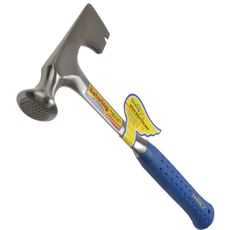
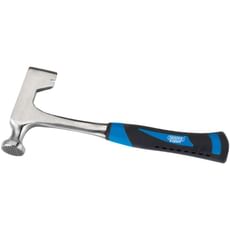
A drywall hammer is a specialised hand tool designed specifically for installing plasterboard and drywall panels. Unlike standard claw hammers, these purpose-built tools feature a uniquely shaped striking face and innovative design elements that make hanging and fixing drywall considerably faster and more efficient. The distinctive crowned or milled face allows you to drive nails flush without damaging the paper surface of the plasterboard, whilst the hatchet-style blade on the reverse enables you to score, trim and adjust boards without reaching for additional tools. This dual-purpose design makes drywall hammers an essential piece of kit for dry liners, plasterers and anyone regularly working with plasterboard installations.
Professional drywall hammers typically weigh between 350-450 grams and feature longer handles than traditional hammers, providing enhanced leverage and reach when working on walls and ceilings. The handle designs have evolved considerably, with modern versions incorporating soft-grip materials and shock-absorbing technology to reduce hand fatigue during extended use on site. Many models also include a magnetic nail starter on the striking face, allowing you to position nails single-handedly – an invaluable feature when working overhead or in awkward positions. The selection available from Tooled-Up.com includes trusted brands like Draper and Estwing, both renowned for manufacturing durable, professional-quality tools.
Whether you're a professional dry liner working on large commercial projects or a keen DIY enthusiast tackling home improvements, investing in a quality drywall hammer will significantly improve your workflow. These specialist tools are engineered to withstand the repetitive impacts of daily site work whilst delivering the precision and control needed for professional-quality plasterboard installation. The correctly tempered striking face and sharp cutting edge ensure clean, efficient work, whilst ergonomic handle designs minimise strain during extended periods of use.
Jargon Buster
- Crowned Face – A slightly convex striking surface that allows nails to be driven flush or slightly below the surface without breaking the plasterboard's paper facing. This creates a dimple that can be easily filled and finished for a smooth final surface.
- Axe Edge – The hatchet-style blade on the reverse of the hammer head, used for scoring, cutting and trimming drywall panels, as well as prying boards into position or opening gaps between sheets. A sharp, well-tempered axe edge is essential for clean cuts.
- Magnetic Nail Starter – A magnetised section on the hammer face that holds nails in place, enabling single-handed nail positioning – particularly useful when working overhead or holding boards simultaneously. This feature significantly speeds up installation work.
- Milled Face – A striking surface with a waffle or grid pattern that provides excellent grip on nail heads, reducing slippage and mis-strikes during repetitive nailing work. Some professionals prefer this to a smooth crowned face for certain applications.
- Shock Absorption – Technology integrated into the handle design that reduces vibration transfer to your hand and wrist, minimising fatigue and reducing the risk of repetitive strain injuries during extended use. Modern handles often feature PP/TPR grips for maximum comfort.
- Nail Puller Slot – A notch integrated into the axe edge that functions as a nail puller for removing misplaced or bent nails without damaging the surrounding plasterboard. This saves time and preserves the board's integrity.
Who Uses Drywall Hammers?
- Dry Liners and Plasterers – Professional tradespeople who specialise in plasterboard installation across residential and commercial projects
- General Builders – Multi-skilled tradesmen who regularly install internal partitions and ceilings as part of broader construction work
- Shopfitters – Commercial specialists creating retail interiors where speed and quality plasterboard installation is essential
- Construction Companies – Site workers on new builds and renovations requiring efficient drywall installation
- Maintenance Teams – Property maintenance professionals conducting repairs and alterations in residential and commercial buildings
- DIY Enthusiasts – Homeowners undertaking loft conversions, partition walls or ceiling repairs who want professional-quality results
- Self-Builders – Individuals managing their own construction projects who need reliable tools for internal finishing work
How to Choose the Right Drywall Hammers
Selecting the appropriate drywall hammer depends on several key factors. Consider the frequency of use first – if you're a professional dry liner working daily, invest in premium brands like Estwing with their legendary durability and lifetime warranties. For occasional DIY use, a quality mid-range option from Draper Expert will deliver excellent performance without the premium price tag. Both brands are recognised throughout the UK trade for their reliability and build quality.
The handle design significantly affects comfort and control during extended use. Soft-grip handles with shock-absorbing properties reduce hand fatigue and minimise vibration-related discomfort. Consider the handle length too – longer handles provide better leverage for ceiling work, whilst shorter designs offer improved control in confined spaces. Many professionals prefer handles between 330-380mm for optimal versatility across different installation scenarios.
Head weight is another crucial consideration. Lighter hammers (around 350g) reduce fatigue during overhead work and provide better control for precision tasks, whilst heavier models (450g+) drive nails more efficiently with less effort on vertical surfaces. The striking face should feature either a crowned or milled surface – both designs prevent paper tearing, though personal preference often dictates choice. Tooled-Up stocks models with polished and ground solid forged faces manufactured from fine grain carbon steel, correctly hardened and tempered for long-lasting performance.
Examine the axe edge quality and design carefully. A sharp, well-tempered blade will cut and score plasterboard cleanly without requiring excessive force. Some models include serrated edges for improved cutting performance. Check that the nail puller slot is adequately sized and positioned for comfortable use. Finally, consider whether a magnetic nail starter would benefit your workflow – this feature proves invaluable when working single-handedly or in awkward positions where holding both the board and positioning nails simultaneously would otherwise prove challenging.
Popular Accessories
- Drywall Nails and Screws – Essential fixings in various lengths for different plasterboard thicknesses and applications
- Drywall Saws and Knives – Complementary cutting tools for more complex board shaping and opening cut-outs for sockets and switches
- Straight Edges and T-Squares – Measuring and marking tools for accurate board cutting and positioning
- Tool Belts and Pouches – Convenient storage for nails and tools whilst working at height or moving around site
- Plasterboard Lifts and Props – Support equipment for handling sheets safely and positioning them accurately, particularly essential for ceiling installations
- Filling Knives and Scrapers – Finishing tools for concealing nail dimples and achieving smooth surfaces ready for decoration
- Work Gloves – Protective handwear to prevent cuts from sharp board edges and reduce hand strain during repetitive hammering
- Safety Glasses – Eye protection against dust and debris when cutting or fixing plasterboard
Safety Information
Whilst drywall hammers are relatively safe hand tools, proper usage and precautions remain essential. Always wear appropriate safety glasses or goggles when hammering to protect your eyes from flying nail fragments or plasterboard dust. The HSE recommends suitable hand protection – consider wearing work gloves to prevent blisters during extended use and protect against sharp plasterboard edges. Quality gloves from brands like Portwest or Scruffs provide excellent dexterity whilst offering adequate protection.
Maintain awareness of your surroundings, particularly when using the axe edge. Keep the blade sharp – a dull edge requires excessive force and increases the risk of slippage and injury. When working overhead, ensure proper platform stability and avoid overreaching, which can lead to loss of balance. Store your drywall hammer with the axe edge covered or facing away from walkways to prevent accidental contact with the sharp blade.
Inspect your hammer regularly for damage, particularly checking that the head is securely attached to the handle. Loose hammer heads pose serious injury risks and should be repaired or replaced immediately. If you experience persistent hand, wrist or arm discomfort during use, take regular breaks and consider whether your technique or tool selection requires adjustment to prevent repetitive strain injuries. Modern shock-absorbing handles significantly reduce this risk, but proper ergonomic practice remains important.
Frequently Asked Questions
What's the difference between a drywall hammer and a regular claw hammer?
A drywall hammer features a specially designed crowned or milled face that drives nails flush without damaging the plasterboard's paper surface, creating a dimple ready for filling. The reverse side has a hatchet-style blade for cutting and trimming boards, rather than the claw found on standard hammers. Drywall hammers are also typically lighter and longer-handled for improved control and reduced fatigue during repetitive plasterboard installation work. Standard claw hammers would damage the paper facing and lack the cutting edge essential for efficient drywall installation.
Can I use a drywall hammer for other tasks?
Whilst drywall hammers excel at plasterboard installation, their versatility is somewhat limited compared to general-purpose hammers. The crowned face isn't ideal for standard carpentry work, as it leaves dimples in timber. However, the axe edge proves useful for light demolition, prying and general site work. For best results and tool longevity, reserve your drywall hammer primarily for plasterboard applications and use appropriate tools like a Stanley or Bahco claw hammer for other tasks.
Should I use nails or screws with plasterboard?
Both fastening methods have their place in professional practice. Drywall nails driven with a proper drywall hammer are faster for large areas and walls, making them popular with professional dry liners working to tight deadlines. However, screws provide superior holding power and don't risk loosening over time, making them preferable for ceilings and areas subject to vibration. Many professionals use nails for walls and screws for ceilings, or combine both methods depending on project requirements and building regulations.
How do I maintain my drywall hammer?
Keep the axe edge sharp using a flat file, maintaining the original bevel angle for optimal cutting performance. Wipe the head clean after use to prevent plaster dust buildup, which can affect the magnetic nail starter. Check the handle connection regularly – tighten any loose heads immediately. For wooden handles, occasional treatment with linseed oil prevents drying and splitting. Many modern hammers feature lacquer coating for rust protection, but still benefit from being wiped clean and stored in a dry location, ideally with the axe edge protected to maintain sharpness and prevent accidents.
What weight drywall hammer should I choose?
Most professional drywall hammers weigh between 350-450 grams. Lighter models (around 350g) suit overhead ceiling work and reduce fatigue during extended use, whilst heavier hammers (400-450g) drive nails more efficiently with less effort on vertical surfaces. If you're primarily working on walls, a slightly heavier hammer improves productivity. For mixed work including ceilings, opt for a mid-weight option around 380-400g that balances driving power with comfortable handling throughout a full day on site.