

Drywall Screws
Pay in 3 interest-free payments on purchases from £30-2000 with  . Learn more.
 Loading...
End of content
Error - No more pages to load
About Drywall Screws
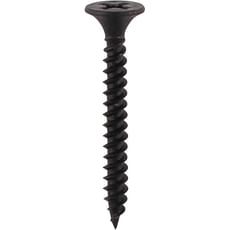
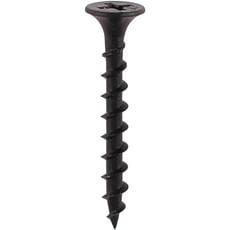
Drywall screws are specialist fasteners engineered specifically for securing plasterboard to timber or metal framework during interior construction, refurbishment and partition wall installation. These hardened steel fixings feature a distinctive bugle-shaped head that countersinks flush with the plasterboard surface without tearing the paper facing, combined with a sharp point for easy penetration and deep threads that deliver exceptional holding power. From boarding out new extensions and creating stud walls to installing suspended ceilings and repairing damaged plasterboard, selecting the correct drywall screws ensures professional results that maintain structural integrity over time.
The range available from Tooled-Up.com includes both coarse thread variants for timber framework and fine thread options designed for metal studs, with lengths from 25mm through to 75mm to accommodate single-layer, double-layer and dense board applications. Black phosphate coatings provide adequate corrosion resistance for standard interior environments, whilst zinc-plated alternatives offer enhanced protection in moisture-prone areas such as bathrooms and kitchens. Self-drilling points eliminate the need for pre-drilling when working with thin-walled steel studs, whilst collated screws in strips dramatically accelerate installation when used with auto-feed screw guns on larger commercial projects.
Tooled-Up stocks trusted brands including Timco, Makita, Stanley and Faithfull, covering everything from economy handy tubs for DIY repairs through to professional bulk packs for high-volume site work. Whether you're a professional dryliner working on commercial fit-outs or a competent home improver tackling domestic renovations, the comprehensive selection ensures you'll find the precise specification required for timber or metal framework, standard or dense board materials, and dry or moisture-exposed environments.
Jargon Buster
- Bugle Head: The countersunk head profile that allows the screw to sit flush with or slightly below the plasterboard surface without breaking through the paper facing, creating a smooth substrate ready for jointing compound and decoration.
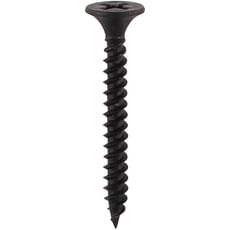
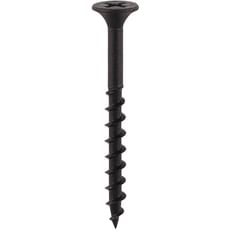
- Coarse Thread: Drywall screws featuring wider-spaced threads engineered for fixing plasterboard to timber studs, joists and framework. The aggressive thread pattern maximises grip in softwood, hardwood and engineered timber products.
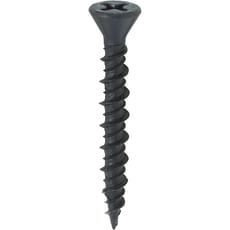
- Fine Thread: Screws with closely-spaced threads designed specifically for metal framework applications. The tighter thread pitch engages more effectively with thin-walled steel studs and channels than coarse alternatives.
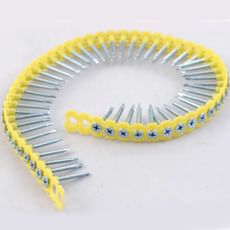
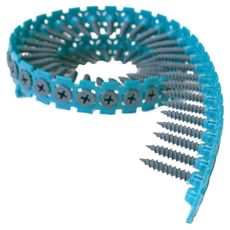
- Collated Screws: Fasteners connected in continuous strips for use with auto-feed screw guns and specialist cordless drywall drivers. These dramatically improve productivity on larger boarding projects by eliminating manual loading of individual screws.
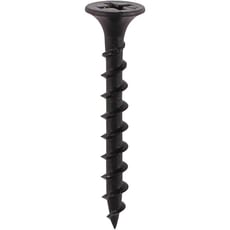
- Black Phosphate: A corrosion-resistant coating applied to screws for interior applications. This dark finish provides adequate protection in dry environments whilst remaining economical compared to zinc plating.
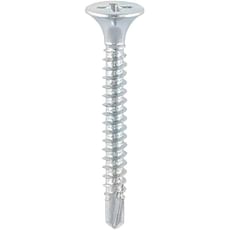
- Self-Drilling Point: A drill-bit style tip that pierces thin metal studs without pre-drilling, saving considerable time when fixing to steel framework in modern metal stud partitioning systems.
Who Uses Drywall Screws?
- Professional Dryliners and Plasterers: Tradespeople specialising in plasterboard installation who depend on quality fixings and collated screws for high-volume commercial and residential projects requiring speed and reliability.
- Carpenters and Joiners: Chippies working on first and second fix carpentry who regularly construct stud walls, install suspended ceilings and build timber framework requiring plasterboard covering.
- General Builders: Multi-trade professionals undertaking complete refurbishments, extensions and new builds where internal boarding, partition walls and ceiling installation form significant elements of the work.
- Shopfitters and Commercial Contractors: Specialists fitting out retail premises, offices, hotels and public buildings where suspended ceilings, demountable partitions and feature walls are standard requirements.
- Property Maintenance Teams: Housing associations, facilities managers and maintenance contractors carrying out repairs, void refurbishments, fire damage restoration and minor works involving plasterboard replacement.
- DIY Enthusiasts: Competent home improvers converting lofts, creating home offices, building bespoke storage solutions or renovating properties who want professional-quality results from their self-build projects.
How to Choose the Right Drywall Screws
Thread Type Selection: Match the thread pattern to your framework material. Coarse thread screws suit timber studs, joists and battens where the wider thread spacing provides superior grip in wood fibres. Fine thread variants are essential for metal framework, as the tighter thread pitch engages more effectively with thin-walled steel studs, channels and suspended ceiling systems.
Length Consideration: For single-layer 12.5mm plasterboard on timber framework, 32mm or 38mm screws are standard, ensuring adequate penetration into the studs. When boarding metal studs, 25mm to 32mm lengths typically suffice. Double-layer applications, dense board materials or thicker plasterboard require longer screws—aim for at least 25mm penetration into timber studs or 10mm through metal framework for secure fixing.
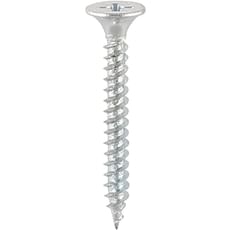
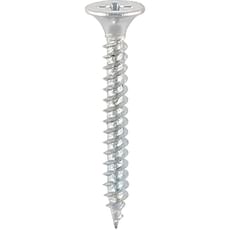
Coating and Finish: Black phosphate screws offer adequate corrosion protection for standard interior applications in dry environments and represent excellent value. Specify zinc-plated variants for bathrooms, kitchens, utility rooms or any area with elevated moisture levels where enhanced corrosion resistance ensures longevity and prevents unsightly rust staining through decoration.
Collated versus Loose: For larger projects or regular boarding work, collated screws used with auto-feed screw guns from Makita or DeWalt dramatically improve productivity and reduce operator fatigue on site. Loose screws in handy tubs remain ideal for smaller jobs, repairs, awkward areas and situations where you're using a standard cordless drill/driver with a drywall adaptor bit.
Self-Drilling Capability: When working exclusively with metal studs, self-drilling drywall screws eliminate the need for pre-drilling, saving considerable time on larger projects. These feature a drill-bit style point that cuts through thin steel before the thread engages, though they're unnecessary and offer no advantage for timber framework applications.
Popular Accessories
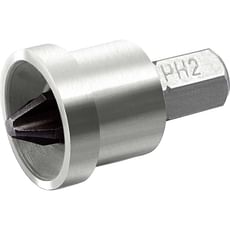
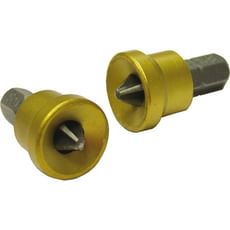
- Drywall Screw Adaptors: Magnetic bit holders from Stanley and Faithfull that prevent overdriving and control screw depth for consistent results and reduced paper tearing.
- Auto-Feed Screw Guns: Specialist cordless tools from Makita and DeWalt designed specifically for high-volume drywall installation using collated screws, featuring adjustable depth settings and ergonomic designs.
- PH2 Screwdriver Bits: Phillips number 2 bits from Wera, Wiha and Makita—the standard drive type for drywall screws, available in impact-rated versions for improved durability.
- Cordless Drill/Drivers: 18V tools from Makita, DeWalt, Milwaukee and Bosch providing the power, torque control and battery runtime needed for efficient screw installation throughout the working day.
- Stud Detectors: Electronic scanners from Stanley and Bosch to locate timber or metal framework behind existing plasterboard for secure fixing during repair and modification work.
- Tool Belts and Screw Pouches: Professional storage solutions from Snickers and DeWalt to keep fixings accessible whilst working at height on ladders, scaffolding or stilts.
Frequently Asked Questions
What's the difference between coarse and fine thread drywall screws?
Coarse thread drywall screws have wider-spaced threads engineered for timber studs, joists and battens, providing excellent grip in softwood, hardwood and engineered timber. Fine thread screws feature closely-spaced threads designed specifically for metal framework, where they engage more effectively with thin-walled steel studs and channels. Using the correct thread type for your framework material ensures maximum holding power and prevents pull-out or loosening over time.
How many drywall screws do I need per plasterboard sheet?
For a standard 2400mm x 1200mm plasterboard sheet on walls, space screws approximately 200-300mm apart around the perimeter and at each intermediate stud position, typically requiring 30-40 screws per sheet. For ceilings, which experience greater stress from the weight of the board, reduce spacing to 150-200mm centres, requiring 40-50 screws per sheet. Always follow manufacturer recommendations and relevant building regulations for your specific application.
Can I use drywall screws with a normal cordless drill?
Yes, standard cordless drills work perfectly well for drywall installation, particularly on smaller domestic projects. Fit a PH2 screwdriver bit and use a drywall adaptor from Stanley or Faithfull which prevents overdriving and helps achieve consistent screw depth. Set your drill's clutch to a medium setting to avoid breaking through the plasterboard face. For larger commercial projects, dedicated auto-feed screw guns using collated screws offer significantly improved productivity.
Should I use black phosphate or zinc-plated drywall screws?
Black phosphate screws provide adequate corrosion protection for standard interior applications in dry environments and represent excellent value for money. Choose zinc-plated variants for bathrooms, kitchens, utility rooms or any area with elevated moisture levels, as the superior corrosion resistance ensures longevity in demanding conditions and prevents rust staining through paint and wallpaper. For the majority of domestic installations in living areas and bedrooms, black phosphate screws perform perfectly well.
What length drywall screws should I use for double-layer plasterboard?
For double-layer plasterboard applications (typically 25mm total thickness), use 50mm to 65mm screws depending on your framework. This ensures adequate penetration into timber studs (minimum 25mm) or through metal studs (minimum 10mm). The first layer is usually fixed with shorter screws, whilst the second layer requires longer screws that pass through both sheets and achieve sufficient purchase in the framework. For dense board materials such as MDF or particleboard backing, increase the length further to maintain holding power.