

Dust Bags

Pay in 3 interest-free payments on purchases from £20-£3000 with  . Learn more.
 Loading...
End of content
Error - No more pages to load
About Dust Bags
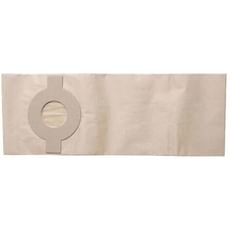
Dust bags are essential consumables designed to collect and contain debris, dust, and fine particles generated during floor polishing and cleaning operations. These specialist bags are engineered to fit specific models of floor polishers and vacuum-equipped cleaning machinery, ensuring efficient dust collection whilst maintaining optimal suction performance. High-quality dust bags not only protect the motor and internal components of your equipment from damage caused by fine particles, but also contribute to a healthier working environment by preventing dust from being released back into the air during cleaning operations.
When using professional floor polishers, particularly in commercial and industrial settings, the right dust bag is crucial for maintaining productivity and meeting health and safety requirements. Modern dust bags feature multi-layered filtration systems that trap microscopic particles, including potentially hazardous dusts that may be subject to COSHH regulations. Whether you're maintaining hard floors in retail spaces, preparing surfaces for treatment, or undertaking large-scale site cleaning operations, investing in genuine manufacturer-approved dust bags ensures your equipment operates at peak efficiency whilst protecting both the operator and the environment from airborne contaminants.
The selection at Tooled-Up.com includes quality dust bags from leading brands such as Kärcher, precision-manufactured to exact specifications to ensure a perfect seal and optimal airflow. Using genuine replacement dust bags not only extends the lifespan of your cleaning equipment but also maintains warranty coverage, making them a cost-effective choice for both professional tradespeople and facility management teams.
Jargon Buster
- Filtration Rating: Indicates the bag's ability to trap particles of specific sizes, typically measured in microns. Higher ratings capture finer dust particles, essential for applications involving silica dust or other hazardous materials subject to HSE workplace exposure limits.
- Multi-Ply Construction: Refers to dust bags made from multiple layers of different materials, providing superior strength and filtration compared to single-layer bags whilst maintaining airflow efficiency.
- OEM (Original Equipment Manufacturer): Dust bags produced by the same company that manufactured your cleaning equipment, designed specifically for that model to ensure optimal fit and performance.
- Fleece Material: A non-woven synthetic material commonly used in premium dust bags, offering excellent filtration properties and durability compared to traditional paper bags.
- Capacity Rating: The volume of debris a dust bag can safely hold before requiring replacement, typically measured in litres. Using bags beyond their capacity reduces suction power and risks damage to equipment.
- HEPA Filtration: High Efficiency Particulate Air filtration capable of trapping 99.95% of particles as small as 0.3 microns, essential for environments requiring stringent air quality standards.
Who Uses Dust Bags?
Dust bags for floor polishers are indispensable for a wide range of professionals and organisations:
- Commercial Cleaners and Facilities Managers: Maintaining office buildings, shopping centres, schools, and healthcare facilities where floor appearance and air quality are paramount
- Contract Cleaners: Operating floor polishing equipment in various commercial environments requiring efficient dust collection systems
- Retail and Hospitality Staff: Maintaining showrooms, hotel lobbies, restaurants, and other public-facing spaces with high footfall
- Property Maintenance Teams: Looking after multiple sites including residential blocks, commercial properties, and industrial facilities
- Industrial Cleaning Operatives: Working in manufacturing plants, warehouses, and distribution centres where dust control is critical for health and safety compliance
- Floor Fitting Specialists: Using polishing equipment to prepare and finish various floor surfaces including wood, vinyl, and tiles
- Site Managers and Construction Professionals: Maintaining clean and safe working environments during and after building works
How to Choose the Right Dust Bags
Selecting the appropriate dust bags ensures optimal equipment performance and workplace safety. Consider these essential factors:
Equipment Compatibility: Always verify the exact model number of your floor polisher or cleaning equipment before purchasing. Using incorrect bags can result in poor fit, reduced suction, and potential damage to the machine. Kärcher equipment, for example, requires specific dust bags engineered for each model range—such as the filter bags designed specifically for FP 303 vacuum floor polishers.
Filtration Requirements: Assess the type of dust and debris you'll be collecting. Fine particulate matter, including polishing dust and potentially hazardous materials, requires bags with superior filtration ratings to comply with HSE workplace exposure limits and protect operator health. For standard cleaning operations, standard filtration may suffice, whilst renovation or industrial work may necessitate higher-grade options.
Material Quality: Premium fleece or multi-ply bags offer better durability and filtration compared to basic paper alternatives. Whilst they may carry a higher upfront cost, they typically last longer and provide superior dust retention, representing better value over time for professional applications.
Pack Quantity: Consider your usage frequency and storage capabilities. Bulk purchases often provide better value for high-volume users, whilst smaller packs suit occasional users or those with limited storage space. Many manufacturers supply dust bags in packs of three or more for convenience.
Genuine vs. Pattern Parts: Whilst compatible aftermarket bags may appear economical, genuine manufacturer bags ensure proper fit, maintain warranty coverage, and deliver reliable performance. For professional applications where downtime costs money, genuine bags are the prudent choice.
Popular Accessories
Maximise the effectiveness of your floor polishing equipment with these complementary products available from Tooled-Up:
- Replacement Filters: Additional filtration components that work alongside dust bags to protect motors and improve air quality
- Floor Polishing Pads: Various grades for different floor types and finishes, from aggressive cleaning to high-gloss buffing
- Cleaning Solutions: Specialist floor cleaning chemicals and polishes designed for use with floor polishing equipment
- Spare Brushes and Rollers: Replacement components to maintain optimal cleaning performance and prolong equipment lifespan
- Extension Cables: Heavy-duty 240V cables rated for professional equipment, ensuring safe operation across larger areas
- Personal Protective Equipment: Dust masks, safety glasses, and protective gloves for operators working in dusty environments
- Equipment Storage Solutions: Organised storage systems from brands like Stanley, DeWalt, and Milwaukee to keep dust bags and accessories protected and easily accessible
Safety Information
Proper dust bag use is essential for maintaining a safe working environment and complying with UK health and safety regulations:
COSHH Compliance: When collecting potentially hazardous dusts, ensure your dust bags meet the filtration standards required by the Control of Substances Hazardous to Health Regulations. Certain materials, particularly silica-containing dusts from concrete or masonry work, require high-efficiency filtration to prevent respiratory exposure.
Regular Replacement: Change dust bags before they reach full capacity. Overfilled bags reduce suction efficiency, increase motor strain, and may rupture, releasing collected dust back into the working environment. Monitor bag fullness indicators where fitted to equipment.
Safe Disposal: Dispose of used dust bags in accordance with local waste regulations and the nature of collected materials. Bags containing hazardous dusts may require special disposal procedures—consult your local authority or waste contractor for guidance.
Personal Protection: Wear appropriate respiratory protection when changing dust bags, particularly if they contain fine or hazardous particles. Even with good filtration, the bag removal process can release dust into the immediate area.
Storage Conditions: Store unused dust bags in a clean, dry environment away from moisture, which can degrade filtration materials and compromise performance. Keep bags in their sealed packaging until required to prevent contamination.
Frequently Asked Questions
How often should I change my floor polisher dust bag?
Replace dust bags when they reach approximately 75% capacity or when you notice reduced suction performance. For professional daily use, this might be after each major job or at least weekly. Waiting until bags are completely full risks reduced equipment performance and potential motor damage. Many modern machines feature bag full indicators to help you determine the optimal replacement time.
Can I empty and reuse dust bags to save money?
This practice is strongly discouraged for several reasons. Firstly, it defeats the purpose of dust containment by releasing captured particles back into the air during emptying, creating a health hazard. Secondly, the filtration materials degrade with use and cannot be effectively cleaned. Finally, reusing bags can void your equipment warranty and lead to costly repairs. The modest saving isn't worth the risks to health, equipment, and compliance with HSE regulations.
What's the difference between genuine and compatible dust bags?
Genuine manufacturer dust bags are designed specifically for your equipment model, ensuring precise fit, optimal airflow, and reliable filtration. They're manufactured to exact specifications and typically use superior materials. Compatible alternatives may appear identical but can differ in critical ways—filtration efficiency, seal quality, or material strength—that affect both performance and equipment longevity. For professional applications, genuine bags from brands like Kärcher are the reliable choice.
Do I need special dust bags for collecting fine dust like polishing residue?
Yes, collecting fine particulate matter from floor polishing operations requires dust bags with appropriate filtration capabilities. Standard bags may not capture the finest particles, which can affect both equipment performance and air quality. Look for bags with multi-ply construction or fleece materials that offer superior filtration, and ensure your approach complies with COSHH requirements where applicable to your working environment.
My floor polisher seems to have lost suction—could it be the dust bag?
A full or incorrectly fitted dust bag is one of the most common causes of reduced suction in floor polishers and cleaning equipment. Check that the bag isn't overfilled and is correctly seated in its housing with a proper seal. Also inspect for tears or damage that might allow air leakage. If the bag is fine, check filters and airways for blockages, as dust can bypass damaged bags and accumulate elsewhere in the system.