

Dust Extractors
Pay in 3 interest-free payments on purchases from £30-2000 with  . Learn more.
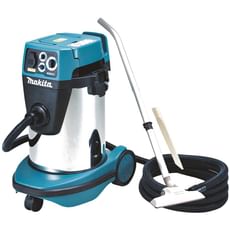
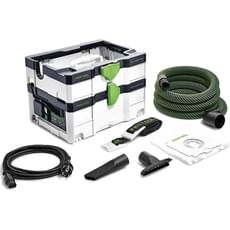
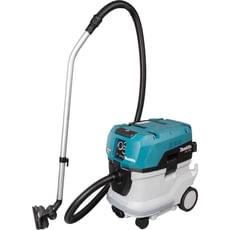
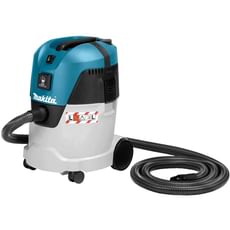
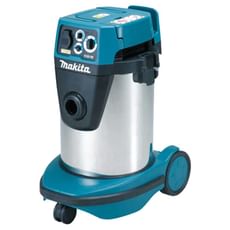
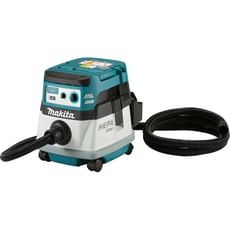
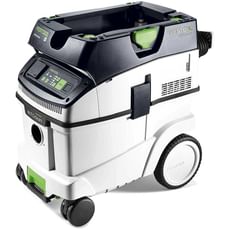
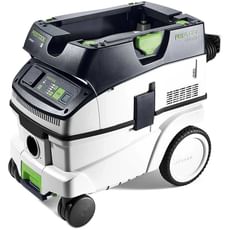
 Loading...
End of content
Error - No more pages to load
About Dust Extractors
Dust extractors are specialised vacuum systems engineered for professional trade environments, designed to capture hazardous dust and debris at source during power tool operations. Unlike domestic vacuum cleaners, these robust machines feature high-efficiency filtration systems capable of trapping fine particulate matter generated during cutting, grinding, drilling, and sanding. Professional dust extractors play a critical role in maintaining HSE compliance and protecting long-term respiratory health, making them essential equipment for tradespeople working with wood, concrete, plaster, and other dust-generating materials.
The dust extractor range available from Tooled-Up.com spans compact cordless models through to powerful industrial units, with classifications including L Class for general construction dust, M Class for medium-risk materials like hardwood and concrete, and H Class extractors with HEPA filtration for high-risk carcinogenic dusts. Leading manufacturers including Festool, Bosch Professional, Makita, and DeWalt offer extractors with capacities ranging from portable 10-litre cordless units to substantial 55-litre workshop machines, many featuring automatic tool-triggered operation, Bluetooth connectivity, and intelligent filter monitoring systems.
Modern dust extraction technology has advanced significantly, with features such as automatic filter cleaning to maintain consistent suction, anti-static hoses for combustible dust safety, and wet-dry capability for versatile site applications. Whether powered by 240v mains electricity for continuous operation or running on 18V battery platforms for maximum mobility, professional dust extractors deliver the performance and filtration standards required to meet COSHH regulations whilst improving visibility and cleanliness across construction sites, workshops, and manufacturing facilities.
Jargon Buster
- L Class (Low Risk): Dust extractors with 99% minimum filtration efficiency, suitable for materials with occupational exposure limits greater than 1mg/m³ including softwood dust, gypsum, and general construction debris. Filters require manual cleaning and the units are appropriate for lower-risk applications where dust exposure limits are less stringent.
- M Class (Medium Risk): Extractors providing 99.9% filtration efficiency for dusts with exposure limits greater than 0.1mg/m³, such as hardwood, concrete, and stone dust. These units feature semi-automatic or automatic filter cleaning systems and represent the minimum standard for most professional construction applications involving silica-containing materials.
- H Class (High Risk): The highest classification, mandatory for carcinogenic and pathogenic dusts including asbestos, lead paint, and mould spores. H Class extractors provide 99.995% filtration efficiency through HEPA filters, incorporate safe disposal systems, and meet stringent requirements for extracting materials with exposure limits below 0.1mg/m³.
- Tool-Triggered Operation: An automatic function where the dust extractor powers on when a connected power tool starts, continuing to run for a programmable delay period after the tool stops. This ensures residual airborne dust is captured and eliminates the need to manually control the extractor during work.
- Automatic Filter Cleaning: Self-maintenance systems that periodically reverse airflow or mechanically vibrate filters to dislodge accumulated dust back into the collection container. This technology maintains optimal suction performance during extended operations and significantly extends filter lifespan without manual intervention.
- Anti-Static Hose: Electrically conductive extraction hoses that safely dissipate static electricity build-up during dust extraction. These are essential when working with fine combustible dusts and certain materials where static discharge could create ignition risks, meeting BS EN standards for hazardous environment use.
Who Uses Dust Extractors?
Professional dust extractors are essential equipment across numerous trades and applications:
- Carpenters and Joiners: Managing wood dust during routing, sawing, and sanding operations to comply with HSE woodworking dust regulations
- Builders and General Contractors: Controlling concrete, brick, and masonry dust during drilling, chasing, and cutting work on construction sites
- Decorators and Painters: Capturing plaster, filler, and preparation dust during sanding operations before finishing work
- Floor Fitters: Extracting dust from floor preparation, adhesive removal, and cutting operations for timber, laminate, and stone flooring
- Stone Masons and Tilers: Managing hazardous silica dust during cutting, grinding, and drilling of stone, concrete, and ceramic materials
- Renovation Specialists: Safely extracting potentially hazardous materials during refurbishment projects in older properties
- Metal Fabricators: Collecting metal swarf, grinding dust, and fine particles generated during metalworking operations
- Shopfitters and Installers: Maintaining clean working environments in occupied commercial premises during fit-out work
- Vehicle Body Repair Technicians: Managing body filler dust and paint preparation debris in automotive workshops
- Facilities Maintenance Teams: General cleaning and maintenance operations across commercial, industrial, and institutional properties
- Serious DIY Enthusiasts: Home renovators and workshop users prioritising health protection and workspace cleanliness
How to Choose the Right Dust Extractors
Dust Classification Requirements: Begin by identifying the materials you'll regularly work with and select the appropriate class. General building work typically requires M Class extractors, whilst certain materials like hardwood or any substance potentially containing asbestos mandate H Class units with HEPA filtration. Consult HSE guidance for your specific trade applications to ensure compliance with COSHH regulations.
Capacity and Portability Balance: Tank capacity directly affects how frequently you'll need to empty the extractor during work. Compact 10-12 litre cordless models like the Bosch GAS 18V-10 L suit mobile tradespeople moving between locations, whilst 25-35 litre units balance adequate capacity with manoeuvrability for general site work. Large 55-litre extractors such as the Bosch GAS 55 M AFC are ideal for workshop installations or extended operations without interruption.
Power Source Considerations: Corded 240v extractors provide continuous operation and maximum suction power for demanding applications without runtime limitations. Cordless 18V platforms from Makita, DeWalt, and Bosch offer excellent mobility and eliminate trailing cables, though runtime depends on battery capacity. Models like the DeWalt DCV584L FLEXVOLT can operate on both battery and mains power, providing ultimate versatility.
Suction Performance: Higher wattage ratings and airflow measurements (typically expressed in litres per second) indicate more powerful extraction capability. Match the extractor's specifications to your tools and materials—fine dust from orbital sanders requires excellent filtration but moderate suction, whilst breaking out concrete or chasing walls demands powerful airflow to handle larger debris volumes effectively.
Automatic Features: Tool-triggered operation and Bluetooth connectivity allow extractors to synchronise seamlessly with power tools, whilst automatic filter cleaning maintains performance during extended use. Tooled-Up stocks Festool models with advanced smart connectivity and Bosch Professional extractors featuring robust auto-cleaning systems that significantly reduce maintenance intervention.
Tool Compatibility: Verify the extractor includes appropriate adaptors for your existing power tools or accepts standard 27mm, 35mm, or 36mm hose connections. Some manufacturers design integrated systems with optimised hose diameters and quick-release fittings—Festool and Makita are particularly known for their cohesive extraction ecosystems.
Wet and Dry Capability: Many professional extractors handle both dust extraction and liquid spillages, providing valuable versatility for varied site conditions. Check whether wet operation requires filter changes and whether the unit features convenient drain plugs for easy liquid disposal.
Popular Accessories
- Replacement Filters: Main filters, pre-filters, and HEPA filters matched to your specific dust class requirements and extractor model
- Dust Collection Bags: Disposable bags enabling hygienic disposal of hazardous materials whilst minimising filter exposure during emptying
- Extension Hoses: Various lengths and diameters providing improved reach and flexibility for different working positions
- Hose Adaptors and Reducers: Universal fittings for connecting different hose sizes to various power tools and accessories
- Anti-Static Hose Sets: Essential replacements for safe extraction of combustible fine dusts in accordance with safety standards
- Nozzle and Brush Sets: Crevice tools, dusting brushes, and wide nozzles for detailed cleaning and varied extraction applications
- Cyclone Separators: Pre-separation devices that remove larger debris before reaching main filtration, significantly extending filter life
- Additional Batteries and Chargers: Extended runtime solutions for cordless models, particularly high-capacity 5.0Ah batteries
- Storage Hooks and Organisers: Workshop accessories for tidy hose storage and tool organisation
- Filter Cleaning Tablets: Specialist cleaning products for maintaining and extending filter lifespan
Safety Information
Dust extractors are fundamental to workplace health and safety compliance under UK legislation. COSHH regulations require employers and self-employed tradespeople to adequately control exposure to hazardous substances, including construction dusts. Prolonged exposure to wood dust, respirable crystalline silica, and other fine particles can cause serious respiratory conditions including occupational asthma, silicosis, chronic obstructive pulmonary disease (COPD), and certain cancers.
Always select the correct dust class for your specific materials and applications. Using an L Class extractor when working with materials requiring M or H Class extraction provides inadequate protection and constitutes a breach of safety regulations. When working with materials that may contain asbestos, lead paint, or other carcinogens, H Class extraction with HEPA filtration is mandatory and non-negotiable. Never compromise on appropriate classification to save costs.
Maintain filters according to manufacturer schedules and replace them when performance deteriorates or damage is visible. Dispose of filters and collected dust safely using sealed bags to prevent dust release during handling. This is particularly critical when working with hazardous materials where exposure during disposal could negate the protection provided during extraction.
Verify that extraction hoses are properly connected and undamaged before commencing work, checking for splits, blockages, or disconnections. Anti-static hoses are essential when working with fine combustible dusts to prevent static electricity accumulation and potential ignition risks. Never modify or remove safety features such as filter monitoring systems or automatic shut-offs.
Remember that dust extractors are designed to supplement, not replace, personal protective equipment. Always wear appropriate respiratory protection as recommended for your specific materials and working conditions. On corded models operating at 240v, regularly inspect power cables for damage and ensure equipment is used with appropriate circuit protection and RCD devices.
Frequently Asked Questions
What's the practical difference between L, M, and H Class dust extractors?
The classification system relates directly to filtration efficiency and the hazard level of materials being extracted. L Class extractors (99% efficiency) are suitable for low-risk dusts like general construction debris and softwood, M Class units (99.9% efficiency) handle medium-risk materials including hardwood dust, concrete, and stone, whilst H Class extractors (99.995% HEPA filtration) are mandatory for high-risk carcinogens such as asbestos, lead, and certain mould spores. Using an inadequately classified extractor for hazardous materials breaches HSE regulations and poses serious long-term health risks. When in doubt, choose the higher classification for better protection.
Can I use a regular vacuum cleaner instead of a professional dust extractor?
Domestic vacuum cleaners are completely unsuitable for professional dust extraction and pose significant health risks. They lack the filtration standards, durability, and compliance certification required for construction dusts and fine particulate matter. Standard household vacuums cannot capture fine particles effectively and often recirculate hazardous dust back into the breathing zone. Professional dust extractors meet BS EN standards, provide appropriate filtration for construction materials, withstand continuous operation in demanding environments, and are specifically designed for tool integration. Using domestic vacuums for trade work breaches workplace safety regulations and provides inadequate protection.
How often should I empty the container and replace filters on my dust extractor?
Empty the collection container when it reaches approximately two-thirds full to maintain optimal suction performance—overfilling significantly reduces extraction efficiency. Filter replacement frequency depends on usage intensity, dust type, and working conditions. Manufacturers typically recommend inspection every 25-50 hours of operation, though automatic filter monitoring systems on modern extractors provide specific alerts when cleaning or replacement is needed. Always replace filters showing visible damage, significant performance reduction, or according to the manufacturer's maintenance schedule, particularly when working with hazardous materials where filtration integrity is critical.
Are cordless dust extractors powerful enough for professional trade use?
Modern 18V cordless extractors from manufacturers like Bosch Professional, Makita, and DeWalt provide sufficient performance for most professional applications, particularly when paired with high-capacity batteries (5.0Ah or greater). They excel for mobile tradespeople, first-fix carpentry, installation work, and situations where mains power is unavailable or impractical. However, corded 240v extractors deliver superior continuous runtime and maximum suction for intensive applications such as concrete grinding, extensive workshop operations, or all-day site work. Many professionals maintain both types for different scenarios—cordless for mobility and convenience, corded for demanding sustained operations.
Do I need separate extractors for wet and dry work, or can one machine handle both?
Most professional dust extractors offer wet and dry capability, allowing you to handle both dust extraction and liquid spillages with a single machine. When switching to wet operation, you typically remove the standard paper filter or replace it with a wet-compatible version, and some advanced models feature automatic filter protection that disengages suction if liquid reaches critical levels. Always consult your specific model's instruction manual, as operating procedures, filter requirements, and capacity limitations vary between manufacturers. The wet-dry versatility proves particularly valuable on construction sites where both dust control and water management are frequently required.