

Dust & Full Face Masks

Pay in 3 interest-free payments on purchases from £20-£3000 with  . Learn more.
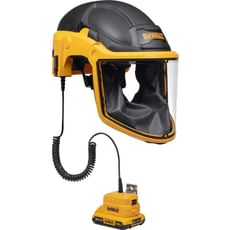
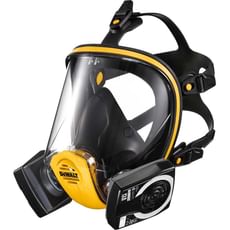
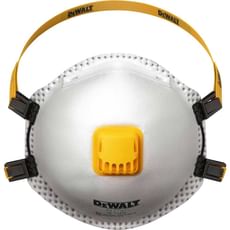
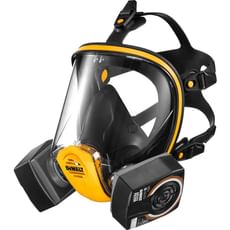
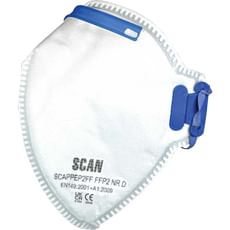
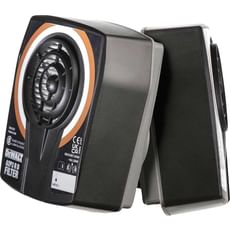
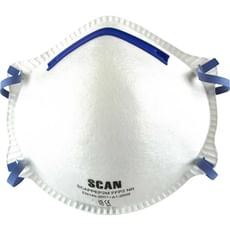
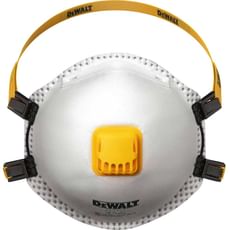
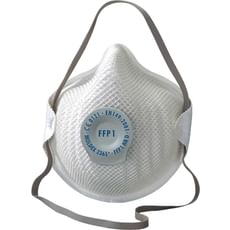
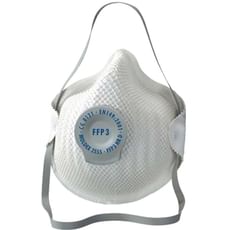
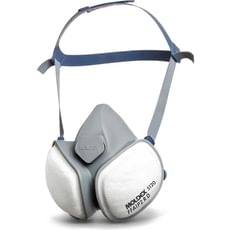

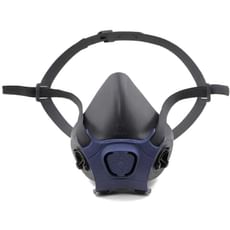
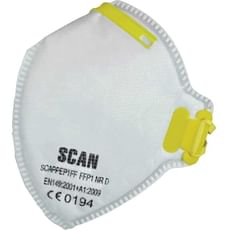
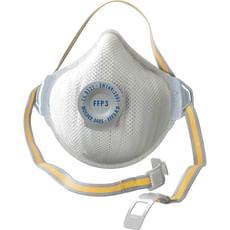
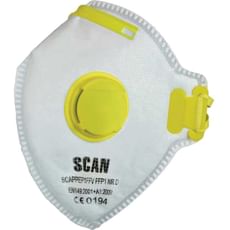
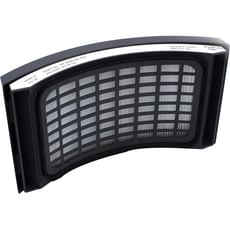
 Loading...
End of content
Error - No more pages to load
About Dust & Full Face Masks
Respiratory protection is a critical element of personal protective equipment for anyone working in environments where airborne hazards pose health risks. From construction sites where silica dust and cement particles fill the air, to woodworking workshops where fine sawdust accumulates, through to spray painting applications involving harmful vapours, the right respiratory protection can prevent serious long-term health complications including occupational lung diseases, respiratory conditions, and chronic breathing problems. Tooled-Up.com offers comprehensive respiratory protection solutions ranging from disposable dust masks for light DIY tasks to professional-grade full face masks with replaceable filter cartridges for demanding industrial applications.
This category encompasses two distinct types of respiratory protection: disposable filtering face piece (FFP) masks designed for single-use or single-shift protection against dust and particulates, and reusable full face respirators that combine superior respiratory protection with integrated eye shields and compatibility with various filter types. Disposable masks provide convenient, lightweight protection for shorter-duration tasks involving nuisance dust and non-toxic particulates, whilst full face masks deliver adjustable, long-term protection with the added benefits of eye coverage and the ability to interchange filters depending on the specific hazards encountered. All respiratory protection available from Tooled-Up.com complies with relevant UK and European safety standards, meeting HSE (Health and Safety Executive) requirements and COSHH (Control of Substances Hazardous to Health) regulations essential for workplace compliance.
Leading manufacturers including 3M, Portwest, and specialist PPE brands have developed innovative respiratory protection that balances comfort, durability, and protection levels. Modern designs incorporate features such as low-resistance exhalation valves to reduce heat and moisture build-up, adjustable head harnesses for secure fitting across different face shapes, and compatibility with other PPE items including hard hats and hearing protection. Investing in appropriate respiratory protection isn't merely about regulatory compliance—it's about safeguarding your respiratory health against the cumulative effects of dust inhalation, chemical exposure, and toxic particulates that can cause irreversible damage over time.
Jargon Buster
- FFP Ratings (FFP1, FFP2, FFP3) – Filtering Face Piece classifications indicate the filtration efficiency of disposable masks. FFP1 filters at least 80% of airborne particles and is suitable for nuisance dust, FFP2 filters 94% (equivalent to N95 masks) offering protection against moderate dust levels, and FFP3 filters 99% providing the highest disposable protection against fine toxic dust, asbestos fibres, and carcinogenic particles.
- Assigned Protection Factor (APF) – A numerical rating indicating the level of respiratory protection a device provides when worn correctly with proper face seal. Higher APF values mean greater protection, with full face masks typically offering APFs between 20 and 40 depending on filter type, meaning the wearer breathes air 20 to 40 times cleaner than the surrounding atmosphere.
- P3 Filters – The highest grade of particulate filters for reusable respirators, capturing 99.95% of airborne particles down to 0.3 microns. P3 filters are essential when working with highly toxic dusts, asbestos removal, lead paint removal, and carcinogenic materials where maximum particulate protection is required.
- ABEK Filters – Multi-gas filter cartridges providing protection against organic vapours including solvents (A), inorganic gases such as chlorine (B), acidic gases and sulphur dioxide (E), and ammonia (K). These combination filters are commonly used for spray painting, chemical handling, agricultural applications, and solvent-based work.
- Exhalation Valve – A one-way valve fitted to disposable masks and reusable respirators that allows exhaled breath to escape whilst preventing contaminated air from entering. Valves significantly reduce heat and moisture accumulation inside the mask, improving comfort during extended wear or physical work.
- EN 149:2001+A1:2009 – The European standard specifying minimum requirements for filtering half masks used as respiratory protective devices, covering aspects including filter efficiency, breathing resistance, leakage, and durability to ensure masks meet consistent quality and safety criteria across the UK and EU.
Who Uses Dust & Full Face Masks?
Respiratory protection is essential PPE across numerous trades and industries where airborne hazards are present:
- Builders and Construction Workers – protection from cement dust, silica from cutting concrete and masonry, and general construction site particulates
- Carpenters and Joiners – defence against hardwood and softwood dust, particularly when sanding, routing, or using power tools for extended periods
- Plasterers and Drylining Specialists – respiratory protection from gypsum dust, plaster particulates, and joint compound during mixing and sanding
- Painters and Decorators – essential when spray painting, working with solvent-based coatings, or applying materials containing isocyanates
- Demolition Workers – critical protection against asbestos, silica, lead paint dust, and heavy particulate concentrations
- Metalworkers and Welders – protection from metal grinding dust, cutting particulates, and welding fumes containing hazardous metal oxides
- Landscapers and Groundworkers – defence against soil dust, mould spores, organic particulates, and pesticide exposure
- Vehicle Repair and Bodyshop Technicians – protection from paint overspray, isocyanates in two-pack paints, polyester filler dust, and panel sanding particulates
- Manufacturing and Industrial Workers – respiratory protection as specified by workplace COSHH assessments and risk evaluations
- DIY Enthusiasts and Home Renovators – protection during dusty home improvement tasks including sanding, cutting materials, loft insulation work, and restoration projects
- Agricultural Workers – protection from grain dust, pesticide sprays, animal dander, and organic materials
- Maintenance Engineers – protection when working in contaminated environments or undertaking tasks generating dust and fumes
How to Choose the Right Dust & Full Face Masks
Identify the Hazard: Begin with a thorough risk assessment to identify the airborne contaminants you'll encounter. Nuisance dust from general building work requires only FFP1 or FFP2 disposable protection, whilst toxic substances including asbestos, lead paint, silica dust, or chemical vapours necessitate FFP3 disposables or full face masks with appropriate filter cartridges. Always consult material safety data sheets (MSDS) and workplace COSHH assessments to determine the correct protection level. The type of contaminant—whether particulate, gas, vapour, or combination—will determine whether you need particulate filters (P-rated), gas filters (A, B, E, K types), or combination filters.
Duration and Frequency of Exposure: For occasional, short-duration tasks involving minimal dust exposure, disposable masks offer convenient and cost-effective protection. However, if you're working extended shifts, undertaking physically demanding tasks, or regularly exposed to respiratory hazards, investing in a reusable full face mask provides better value, superior comfort, and more reliable protection. Full face masks also integrate eye protection, eliminating the need for separate safety goggles and reducing the total number of PPE items required. Calculate the long-term costs: whilst reusable respirators have higher initial investment, replacement filters are often more economical than continuously purchasing disposables.
Fit and Comfort Considerations: Respiratory protection only functions effectively when properly fitted with an airtight seal. Disposable masks should form a tight seal around your nose and mouth, utilising adjustable nose clips and elastic straps to prevent gaps. Full face masks require proper sizing—they're available in small, medium, and large sizes to accommodate different face shapes—and many feature multi-position head harnesses for optimal fit. Facial hair, even stubble, prevents adequate sealing and compromises protection. If you cannot maintain a clean-shaven face in the seal area, you'll need alternative respiratory protection such as powered air-purifying respirators with loose-fitting hoods.
Breathing Resistance and Valves: Consider masks with exhalation valves if you'll be wearing them for extended periods or undertaking physically demanding work. Valves significantly reduce breathing resistance, heat accumulation, and moisture build-up, making prolonged use considerably more comfortable. This is particularly important in warm environments or during summer site work. However, note that valved masks don't filter exhaled air, which may be relevant in certain environments where preventing contamination of the surrounding area is important.
Filter Compatibility and Running Costs: For reusable masks, check the availability and cost of replacement filters before purchasing. Particulate filters (P1, P2, P3) protect against dusts and solid particles, whilst gas and vapour filters (A, B, E, K types) are required for chemical protection. Combination filters offer protection against both particulates and gases simultaneously. Consider filter lifespan—particulate filters typically last until breathing becomes difficult, whilst gas filters have time-based replacement schedules. Some filters feature end-of-service-life indicators that change colour when exhausted.
Compatibility with Other PPE: Ensure your chosen respiratory protection integrates with other required PPE. Full face masks eliminate the need for separate eye protection but may not be compatible with certain hard hats or ear defenders—check compatibility before purchasing. Disposable masks work well beneath face shields and with most other PPE items but offer no eye protection. If you wear prescription glasses, consider full face masks designed to accommodate spectacles, or masks with internal spectacle frames available from some manufacturers.
Popular Accessories
- Replacement Filters and Cartridges – particulate filters (P1, P2, P3 grades), gas filters (A, B, E, K types), and combination filters for various applications and hazards
- Pre-Filters and Filter Covers – extend the life of main filter cartridges by capturing larger particles and protecting filters during storage
- Cleaning Wipes and Sprays – specialist cleaning products for maintaining reusable masks, face seals, and lenses between uses
- Storage Cases and Bags – protective cases keeping masks clean, undamaged, and hygienic between uses and during transport
- Face Fit Testing Kits – ensuring proper seal and protection levels, particularly important for workplace compliance and HSE requirements
- Filter Adaptors and Retainers – allowing different filter types to be used with various mask models and preventing filter damage
- Safety Goggles and Face Shields – complementary eye protection when using half-face respirators or disposable masks without integrated eye coverage
- Anti-Fog Sprays and Lens Cleaners – maintaining clear vision through full face mask lenses during use
- Disposable Gloves – nitrile, latex, or chemical-resistant gloves from brands like Portwest for comprehensive personal protection
- Protective Coveralls and Overalls – particularly from Portwest and Scruffs when undertaking dusty or contaminated work requiring full body protection
- Hard Hats and Bump Caps – head protection compatible with respiratory equipment for comprehensive site PPE
Safety Information
Respiratory protection equipment is a critical component of health and safety compliance, and improper selection, fitting, or use can result in serious health consequences including permanent lung damage. Always conduct a thorough workplace risk assessment before selecting respiratory protection, and consult HSE guidance, COSHH regulations, and manufacturer instructions. Employers have a legal duty under the Personal Protective Equipment at Work Regulations to provide suitable respiratory protection where exposure to hazardous substances cannot be adequately controlled by other means, including engineering controls and ventilation.
Disposable masks are designed for single-use or single-shift use only—they must be discarded when damaged, soiled, moist, or when breathing becomes noticeably difficult. Never attempt to wash, clean, or reuse disposable masks as this compromises filter integrity and hygiene. Reusable full face masks require regular cleaning, inspection, and maintenance according to manufacturer instructions. Inspect masks before each use for cracks, damaged valves, worn straps, or deteriorated face seals. Replace filters at recommended intervals based on exposure time and conditions, or sooner if breathing becomes difficult, as exhausted filters provide inadequate protection and may actually increase breathing resistance.
Proper face seal is absolutely essential for effective respiratory protection. Facial hair in the sealing area, even a day's stubble, can reduce protection by up to 1000-fold by creating leakage paths. Perform a fit check every time you don a respirator: for disposable masks, cover the mask with your hands and inhale sharply—the mask should collapse slightly against your face indicating good seal. For full face masks, follow the manufacturer's positive and negative pressure fit check procedures. If air leaks are detected around the seal, adjust straps and reposition the mask. Face fit testing by a competent person should be conducted at least every two years for workplace use, and whenever there are significant changes in facial features.
Be aware that respiratory protection has important limitations. Standard air-purifying respirators are not suitable for oxygen-deficient atmospheres (below 19.5% oxygen), IDLH (Immediately Dangerous to Life or Health) environments, or situations where contaminant concentrations exceed the mask's assigned protection factor. In such cases, supplied-air respirators or self-contained breathing apparatus (SCBA) may be required. Never wear air-purifying respiratory protection in confined spaces without proper atmospheric testing, training, and additional safety measures including rescue plans and standby personnel.
Store respiratory protection in clean, dry conditions away from direct sunlight, extreme temperatures, chemicals, and contaminants that might degrade materials. Keep masks in protective cases or sealed bags to prevent contamination during storage. Maintain records of mask inspections, filter changes, and face fit testing as required by workplace safety protocols and HSE guidance. If you experience dizziness, nausea, irritation, unusual odours or tastes, or difficulty breathing whilst wearing respiratory protection, leave the contaminated area immediately, seek fresh air, and report the incident. Such symptoms may indicate filter exhaustion, improper fit, or contaminant levels exceeding the respirator's protection capabilities.
Frequently Asked Questions
What's the difference between FFP2 and FFP3 masks?
FFP2 masks filter at least 94% of airborne particles and are suitable for protection against moderate levels of dust, water-based mists, and non-toxic particulates commonly encountered in construction, woodworking, and general building work. FFP3 masks filter at least 99% of particles, providing the highest level of disposable respiratory protection required for toxic dusts, asbestos fibres, lead paint dust, and carcinogenic materials. FFP3 should be used whenever your COSHH assessment identifies highly hazardous materials, and is legally required for certain tasks including asbestos removal and work involving respirable crystalline silica at high concentrations. FFP3 masks also offer better protection against fine particulates below 1 micron in size.
How long can I use a disposable dust mask before replacing it?
This depends entirely on the working environment, contamination levels, and physical demands of the task. In light dust conditions with intermittent exposure, a disposable mask might last a full working shift, but in heavy dust, humid conditions, or during physically demanding work, it may require replacing within a few hours. Replace your mask immediately when breathing becomes noticeably difficult, when it becomes damaged, wet, or visibly soiled, or if the face seal is compromised. Never reuse a disposable mask on subsequent days, as filter efficiency degrades, hygiene is compromised, and the elastic straps lose tension affecting fit. Some manufacturers print recommended usage times on packaging, typically ranging from 8 hours in low-contamination environments to much shorter periods in heavy dust.
Can I wear a dust mask or respirator with a beard or facial hair?
No, facial hair in the sealing area prevents proper fit and dramatically reduces protection effectiveness, potentially by a factor of 1000 or more. Both disposable masks and reusable respirators require a tight seal against bare skin to function correctly—any hair between the mask seal and skin creates leakage paths allowing contaminated air to bypass the filter. Even a day's stubble significantly compromises seal integrity. If respiratory protection is required in your workplace and you have facial hair, you must either maintain a clean-shaven face in all seal areas or use alternative respiratory protection such as powered air-purifying respirators (PAPR) with loose-fitting hoods or helmets that don't rely on face seal. This is both an HSE requirement and common sense for effective protection.
How often should I replace filters on a reusable full face mask?
Replacement frequency depends on filter type and exposure conditions. Particulate filters (P1, P2, P3) should be replaced when breathing becomes difficult, when they become visibly contaminated, or according to manufacturer recommendations—typically after 8 to 40 hours of use depending on dust concentration. Gas and vapour filters have time-based replacement schedules rather than being determined by breathing resistance, as they can become saturated without noticeable breathing difficulty. Replace gas filters according to manufacturer guidance (often based on cumulative hours of use in contaminated atmospheres), and immediately if you detect odour, taste, or irritation from the contaminant, which indicates filter breakthrough. Some advanced filters feature end-of-service-life indicators that change colour when exhausted. Keep detailed records of filter installation dates and usage hours to ensure timely replacement and maintain protection effectiveness.
Do I need a full face mask or will a disposable mask be adequate for my work?
This critical decision depends on your specific hazard exposure, work requirements, and COSHH assessment findings. Disposable masks are adequate for intermittent exposure to nuisance dusts and low-to-moderate hazard levels during short-duration tasks, making them suitable for occasional DIY work or light construction tasks. Full face masks are necessary when working regularly with hazardous substances, when higher assigned protection factors are required, when both respiratory and eye protection are needed simultaneously, when exposure levels approach or exceed occupational exposure limits, or when working extended shifts in contaminated environments. Full face masks are mandatory for certain high-hazard tasks including asbestos removal, spray painting with isocyanates, and work involving toxic chemicals. Consult your workplace COSHH assessment, HSE guidance specific to your industry, or a qualified occupational health and safety professional to determine the appropriate level of respiratory protection for your specific tasks and exposure scenarios.