

Dusting Brushes
Pay in 3 interest-free payments on purchases from £30-2000 with  . Learn more.
 Loading...
About Dusting Brushes
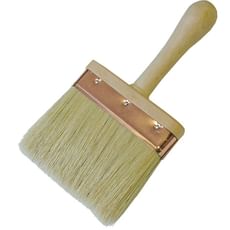
Dusting brushes are indispensable tools for maintaining clean, debris-free work surfaces across professional and DIY applications. These specialised brushes feature soft, fine bristles engineered to sweep away dust, sawdust, plaster residue, and other fine particles without scratching or damaging delicate surfaces. Whether you're preparing timber for finishing, cleaning electrical enclosures, removing residue before painting, or maintaining precision equipment, a quality dusting brush ensures your work remains professional and contamination-free. Unlike standard household brushes, trade-quality dusting brushes are built to withstand the demanding conditions of construction sites, workshops, and joinery environments.
Professional dusting brushes typically feature natural or synthetic bristles securely set into a wooden, plastic, or metal stock, offering durability for daily use. The bristle density and softness are carefully balanced to capture fine particles effectively whilst remaining gentle on polished surfaces, finished woodwork, and sensitive components. Tooled-Up.com stocks dusting brushes from trusted brands like Faithfull, renowned for producing reliable hand tools that meet the exacting standards of UK tradespeople. These brushes complement your existing tool collection and help maintain the clean working environment essential for quality results.
From removing sawdust in carpentry workshops to cleaning electrical panels without damaging components, dusting brushes serve multiple purposes across various trades. The right dusting brush improves efficiency, protects finished surfaces, and ensures your projects remain free from unsightly dust contamination that could compromise paint adhesion, varnish application, or equipment performance.
Jargon Buster
- Bristle Fill: The density of bristles set into the brush head. Higher fill provides more effective dust collection and coverage, whilst lower fill offers greater flexibility for accessing corners, crevices, and intricate surfaces.
- Natural Bristle: Bristles made from animal hair, typically hog or horsehair, that are soft, flexible, and naturally anti-static. These characteristics make them ideal for collecting fine dust without generating static electricity that could attract particles back to cleaned surfaces or damage sensitive electronics.
- Synthetic Bristle: Man-made fibres, usually nylon or polyester, offering consistent performance, excellent resistance to moisture and chemicals, and typically greater durability than natural alternatives. Synthetic bristles maintain their shape well and are suitable for more aggressive cleaning applications.
- Stock: The body or block of the brush into which bristles are set. Constructed from wood, plastic, or metal, the stock determines the brush's durability, handling characteristics, and overall lifespan under professional use conditions.
- Flagged Tips: Bristle ends that are split or frayed, significantly increasing the surface area for more effective dust pickup. This feature proves particularly useful for capturing ultra-fine particles like sanding dust, plaster residue, or construction dust.
- Ferrule: The metal or plastic band that secures bristles to the handle on certain brush designs, preventing bristle loss during use and ensuring long-term reliability in demanding work environments.
Who Uses Dusting Brushes?
Dusting brushes are valuable tools across numerous trades and applications:
- Joiners and Carpenters: Removing sawdust from timber surfaces, cleaning workbenches between tasks, preparing wood for finishing treatments, and maintaining dust-free environments during fine carpentry work.
- Decorators and Painters: Dusting surfaces before painting or wallpapering, cleaning skirting boards and architraves, preparing walls for decoration, and removing surface dust that could affect paint adhesion.
- Electricians: Cleaning electrical enclosures and consumer units, dusting switch panels without damaging components, removing debris from cable runs, and maintaining clean working conditions around sensitive electrical equipment.
- Cabinet Makers and Furniture Makers: Maintaining dust-free surfaces during fine woodworking, cleaning intricate joinery, preparing pieces for finishing, and ensuring professional results in furniture construction.
- Stone Masons and Plasterers: Removing fine dust and residue from work surfaces between stages, cleaning tools and equipment, and preparing surfaces for subsequent treatments.
- Automotive Technicians: Cleaning engine bays, removing dust from interior components, preparing surfaces for refinishing, and maintaining delicate automotive electronics.
- General Maintenance Workers: Keeping workshops organised, cleaning tool storage areas, maintaining equipment, and ensuring safe, dust-free working environments.
- DIY Enthusiasts: Maintaining home workshops, cleaning projects during renovation work, preparing surfaces for decoration, and keeping tools and equipment in optimal condition.
How to Choose the Right Dusting Brushes
Bristle Material: Natural bristles excel at anti-static dusting and provide a soft touch that won't scratch delicate finished surfaces, making them ideal for furniture work, electronics cleaning, and polished surfaces. Synthetic bristles offer superior durability and chemical resistance, proving suitable for environments where cleaning agents may be used or where more aggressive cleaning action is required. Consider horsehair for delicate applications or nylon for heavy-duty site work.
Bristle Length and Stiffness: Longer, softer bristles suit general dusting tasks and delicate surfaces, providing gentle sweeping action without risk of scratching. Shorter, stiffer bristles deliver more aggressive cleaning for stubborn debris and robust surfaces. Match bristle characteristics to your typical applications—fine joinery requires gentle bristles, whereas construction site cleaning demands more robust options.
Handle Design and Ergonomics: Consider how frequently you'll use the brush. Comfortable wooden handles provide excellent grip and durability for regular professional use, developing a natural patina over time. Some brushes feature hanging holes for convenient storage on tool boards or workshop hooks. Ergonomic designs reduce hand fatigue during extended cleaning sessions, particularly important for tradespeople using brushes throughout the day.
Size and Coverage Area: Match brush dimensions to your typical cleaning tasks. Larger brushes cover more area quickly for workbench cleaning and broad surface preparation, whilst smaller, narrower brushes access tight spaces, detailed work areas, and intricate components. Consider whether you need a flat brush for broad surfaces or a shaped brush for corners and edges.
Build Quality and Brand Reputation: Professional-grade brushes from reputable manufacturers feature securely fastened bristles that won't shed during use, robust stock construction that withstands daily wear, and quality materials throughout. Browse the selection at Tooled-Up.com, where brands like Faithfull offer proven reliability for UK tradespeople. A well-made dusting brush will serve you reliably for years, representing worthwhile investment for any professional toolkit.
Popular Accessories
Enhance your cleaning and maintenance routine with these complementary products:
- Hand Brushes and Dustpans: For efficiently collecting swept debris and maintaining tidy work areas throughout the day.
- Wire Brushes: For removing heavier deposits, rust, paint, and stubborn contamination before fine dusting with soft bristle brushes.
- Microfibre Cloths: For final surface wiping after dusting, removing any remaining fine particles before finishing treatments.
- Workshop Vacuums: From brands like Makita, DeWalt, and Milwaukee for comprehensive dust extraction and maintaining clean working environments.
- Tool Cleaning Sprays and Maintenance Products: For maintaining equipment cleanliness alongside physical cleaning with brushes.
- Work Aprons and Tool Belts: From Snickers, DeWalt, or Portwest to keep brushes and cleaning tools accessible during site work.
- Tool Storage Solutions: Stanley FatMax, DeWalt TSTAK, or Milwaukee PACKOUT systems to organise your cleaning tools and brushes.
- Dust Masks and Respirators: Essential PPE when working in dusty environments, protecting respiratory health during extended cleaning sessions.
- Workshop Organisation Systems: Tool boards, hooks, and storage racks for keeping brushes accessible and properly stored when not in use.
Frequently Asked Questions
Q: How do I clean and maintain my dusting brush?
A: Regularly tap the brush against a hard surface to dislodge trapped dust and debris after each use. For deeper cleaning, comb through the bristles with your fingers or a wire brush to remove embedded particles. Natural bristle brushes can be washed occasionally with mild soap and warm water, then hung to dry completely with bristles facing downward to prevent water damage to the stock. Avoid soaking wooden handles, as this can cause warping, splitting, or deterioration of the wood over time.
Q: What's the difference between a dusting brush and a paint brush?
A: Whilst both use similar construction principles, dusting brushes feature softer, often denser bristles specifically engineered for dust collection rather than paint application. Dusting brushes have more flexible bristles designed to sweep rather than apply, and they're not designed to hold or distribute liquids. Paint brushes have bristles shaped, trimmed, and flagged for paint retention, smooth application, and controlled release. Using the correct brush for each task ensures optimal results and tool longevity.
Q: Can I use a dusting brush on electronic equipment and circuit boards?
A: Yes, dusting brushes with natural bristles are excellent for cleaning electronic equipment because they're naturally anti-static, significantly reducing the risk of electrostatic discharge that could damage sensitive components. Always ensure equipment is powered off and disconnected from mains 240v supply before cleaning, and use gentle sweeping motions to avoid dislodging connections, components, or delicate wiring. For particularly sensitive electronics, consider using purpose-designed anti-static brushes.
Q: How often should I replace my dusting brush?
A: A quality dusting brush from a brand like Faithfull, available from Tooled-Up.com, should last several years with proper care and maintenance. Replace your brush when bristles become excessively worn, permanently bent, or begin falling out regularly, when the handle becomes damaged or uncomfortable to use, or when cleaning effectiveness noticeably diminishes. Professional tradespeople using brushes daily may need replacement annually, whilst occasional DIY users may find their brush lasts considerably longer with appropriate care.
Q: Are dusting brushes suitable for use with solvents or cleaning chemicals?
A: This depends entirely on the bristle material. Synthetic bristle brushes generally offer better resistance to chemicals, solvents, and cleaning agents, making them suitable for use with these products. Natural bristle brushes may degrade, become brittle, or lose effectiveness when exposed to harsh chemicals. Always check the manufacturer's specifications before using any brush with chemicals, and consider keeping separate brushes for dry dusting and chemical cleaning to maintain optimal performance and longevity for each specific task.