

Dyes
Pay in 3 interest-free payments on purchases from £30-2000 with  . Learn more.
 Loading...
End of content
Error - No more pages to load
About Dyes
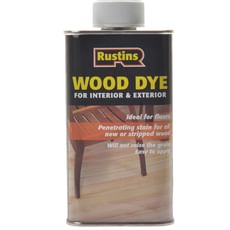
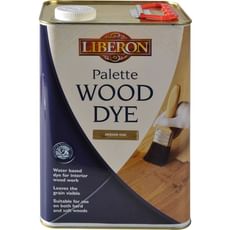
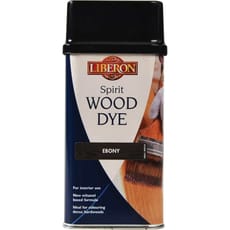
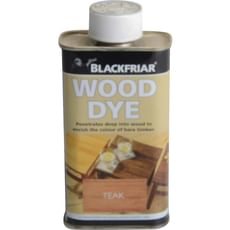
Wood dyes are essential finishing products for bringing out the natural beauty of timber whilst adding colour and character to woodworking projects. Unlike paints or varnishes that sit on the surface, dyes penetrate deep into the wood grain, enhancing the natural texture and figure whilst transforming the colour. The range at Tooled-Up.com includes spirit-based, water-based, and quick-dry formulations from trusted brands including Liberon, Rustins, and Blackfriar, suitable for both interior and exterior applications.
Whether you're restoring antique furniture, matching existing woodwork, or creating bespoke finishes on new timber, the right wood dye can make all the difference to your project. These products are particularly valuable when working with lighter woods that you want to mimic the appearance of more expensive timber, or when you need to even out colour variations in mismatched wood. Wood dyes can be layered to achieve custom shades and are compatible with most clear finishes including varnishes, waxes, and oils.
Professional-grade wood dyes offer excellent coverage, consistent colour application, and superior penetration compared to cheaper alternatives. They're available in a spectrum of traditional wood tones from light oak and pine through to deep mahogany and walnut, allowing tradespeople and DIY enthusiasts to achieve exactly the finish they're looking for on interior joinery, furniture, doors, floors, and decorative woodwork.
Jargon Buster
- Spirit-Based Dye: A wood dye that uses methylated spirits or alcohol as a solvent. These dyes dry extremely quickly (often within minutes), penetrate deeply, and won't raise the wood grain. Ideal for professional applications where speed is essential.
- Water-Based Dye: A dye formulation using water as the carrier, offering lower odour and easier clean-up than spirit-based alternatives. Water-based dyes may raise the wood grain slightly, requiring light sanding before finishing.
- Grain Raising: The phenomenon where wood fibres swell and stand up when water is applied. This can create a rough surface but also allows better dye penetration. Pre-raising the grain with water and sanding before dyeing prevents this issue.
- Penetrating Finish: Any wood treatment that soaks into the timber rather than forming a surface film. Dyes are penetrating finishes that colour the wood fibres themselves rather than coating the surface.
- Colour Fast: The ability of a dye to resist fading when exposed to light. High-quality wood dyes are formulated to be colour fast, maintaining their appearance over time even in bright conditions.
- Build-up Coat: Applying multiple layers of dye to achieve a deeper, richer colour. Each coat intensifies the shade without obscuring the wood grain pattern.
Who Uses Dyes?
- Joiners and carpenters matching new work to existing timber finishes
- Furniture makers and restorers creating custom finishes and repairing antique pieces
- Cabinet makers achieving consistent colour across different wood species
- French polishers preparing wood surfaces before traditional finishing techniques
- Shopfitters customising timber fixtures and fittings for commercial interiors
- Flooring specialists enhancing and evening out wood floor colours
- Property maintenance professionals refreshing and matching interior woodwork
- DIY enthusiasts and home improvers transforming furniture and woodwork projects
- Set designers and theatrical carpenters creating aged or specific timber effects
- Musical instrument makers achieving traditional wood finishes on guitars and other instruments
How to Choose the Right Dyes
Selecting the appropriate wood dye depends on several key factors. First, consider the drying time requirements of your project. Spirit-based dyes like Liberon Spirit Wood Dye dry in minutes, making them ideal for quick turnaround professional work, whilst water-based formulations allow more working time for larger areas or intricate projects.
The type of wood you're working with significantly affects dye selection. Softwoods like pine absorb dye unevenly and may require pre-treatment with a sanding sealer, whilst hardwoods typically accept dye more consistently. Some woods, particularly those with high resin content, work better with spirit-based dyes that aren't repelled by natural oils in the timber.
Think about your application method and the finish you'll be applying afterwards. Quick-dry formulations are excellent when you need to apply multiple coats or move quickly to sealing, whilst slower-drying products give you time to blend and achieve even coverage on large surfaces. Ensure the dye you choose is compatible with your chosen top coat, whether that's wax, oil, varnish, or lacquer.
Consider the colour depth and tone required. Lighter shades can be built up gradually with multiple applications, giving you more control over the final colour. Remember that dyes will appear different on various wood species, so always test on an offcut first. Many professionals keep a range of colours and mix them to create custom shades that perfectly match existing work.
Finally, factor in environmental conditions and safety. Spirit-based dyes have stronger odours and require better ventilation, whilst water-based alternatives are more suitable for occupied spaces and offer easier cleanup. Check COSHH requirements if working in commercial or sensitive environments.
Popular Accessories
- Lint-free application cloths for smooth, even dye distribution without fibres
- Disposable foam brushes ideal for precise application on detailed work
- Natural bristle brushes for traditional application techniques
- Sanding sealers to stabilise wood and ensure even dye absorption
- Wood grain filler for preparing open-grained woods before dyeing
- Abrasive papers in various grits for proper surface preparation
- White spirit or methylated spirits for thinning and cleaning spirit-based dyes
- Wood varnishes and lacquers for sealing and protecting dyed surfaces
- Wax polishes for final finishing over dyed wood
- PPE including gloves and safety glasses for safe application
- Mixing containers and measuring cups for creating custom colour blends
Safety Information
Wood dyes contain chemicals that require proper handling and appropriate precautions. Always work in a well-ventilated area, particularly when using spirit-based formulations which emit strong fumes. Open windows and doors or use mechanical ventilation to maintain air circulation and prevent vapour build-up.
Wear appropriate personal protective equipment (PPE) including chemical-resistant gloves to prevent skin contact and staining, and safety glasses to protect eyes from splashes. Spirit-based dyes are flammable, so keep them away from naked flames, sparks, and heat sources. Store containers securely in a cool, dry place away from ignition sources.
Always refer to the manufacturer's COSHH data sheets for specific safety information about the product you're using. Dispose of waste materials responsibly according to local authority guidelines – never pour dyes down drains. Keep products out of reach of children and pets, and ensure containers are properly sealed when not in use.
When sanding dyed wood, wear a dust mask as airborne particles may contain dye residue. Wash hands thoroughly after use and avoid eating, drinking, or smoking during application. If skin contact occurs, wash immediately with soap and water. In case of eye contact, rinse continuously with water and seek medical advice if irritation persists.
Frequently Asked Questions
What's the difference between wood dye and wood stain?
Wood dyes are translucent solutions that penetrate deep into the timber, colouring the wood fibres themselves whilst maintaining excellent grain clarity. Wood stains typically contain pigments that sit closer to the surface and often include some binder, providing more colour density but potentially obscuring finer grain details. Dyes offer more vibrant, transparent colours ideal for enhancing wood character, whilst stains provide better coverage for evening out imperfections.
Can I apply varnish or wax over wood dye?
Yes, wood dyes are designed to be compatible with most clear finishes including varnishes, waxes, oils, and lacquers. Ensure the dye is completely dry before applying any top coat – spirit-based dyes typically dry within 15-30 minutes, whilst water-based versions may need several hours. Always test compatibility on an offcut first, and consider applying a sanding sealer before varnishing for the best results and to prevent the top coat from affecting the dye colour.
How do I achieve an even colour with wood dye?
Proper surface preparation is crucial for even dye application. Sand the wood progressively through the grits to at least 180-grit, always working in the direction of the grain. Remove all dust thoroughly before application. Apply the dye liberally and work quickly to maintain a wet edge, avoiding overlaps which create darker patches. On large surfaces, work in manageable sections. For woods that absorb unevenly (like pine), consider pre-treating with a sanding sealer or wood conditioner.
Can wood dyes be mixed to create custom colours?
Yes, most wood dyes from the same product range and type (spirit-based with spirit-based, water-based with water-based) can be mixed together to create custom shades. This allows you to match existing finishes precisely or create unique colours. Products available from Tooled-Up include ranges like Liberon and Rustins that offer excellent mixing compatibility. Always keep notes on the proportions used so you can recreate the colour if needed, and test your custom mix on an offcut of the same wood species you'll be working with.
How long does wood dye take to dry before I can apply a finish?
Drying times vary by product type. Spirit-based dyes like Rustins Quick Dry Wood Dye typically dry in 15-30 minutes and can be overcoated within an hour. Water-based dyes generally require 2-4 hours before recoating, though it's often best to leave them overnight for complete drying, especially in humid conditions. Always follow the manufacturer's specific guidelines, and remember that thicker applications or poor ventilation will extend drying times. The wood should feel completely dry to the touch before applying any sealer or top coat.